Vinay Rao
A compilation of grievances, rumours and observations from the TG20 ecosystem | June 2026
The invitations have gone out. The venue is booked. The caterers are on standby. The guests are dressed and seated. The band is warming up.
Nobody has told anyone who the bride and groom are.
That, in essence, is the state of TG20’s player auction heading into Sunday.
Eight franchise teams announced, branded and buzzing. ₹46 crores in franchise fees collected. A 21-day tournament scheduled. Thirty-two matches confirmed. JioHotstar ready to broadcast. The auctioneer is named. The hall is booked.
And yet the one document that is the entire point of Sunday — the player list — remains a source of confusion, complaint and growing frustration among the very people whose futures depend on it.
The List Nobody Can Explain
Players with stronger domestic records have reportedly been placed below those with thinner resumes. Senior Telangana representatives find themselves in lower categories than peers with fewer appearances. There is no publicly available explanation of the criteria used to classify players from Categories A to E. No transparent appeals mechanism. Formal complaints have allegedly been submitted, only to be met with silence or revisions that have, in some cases, created fresh confusion while attempting to address old concerns.
The word increasingly being heard in cricketing circles is bias.
This matters because categorisation determines base price. Base price influences bidding. Bidding determines whether a young cricketer from Nalgonda, Karimnagar or Adilabad secures a professional contract or returns home empty-handed.
Someone, somewhere, appears to be benefiting from a process that many stakeholders describe as opaque.
And if the list appears this contentious before the auction, one shudders to think what questions may emerge after it.
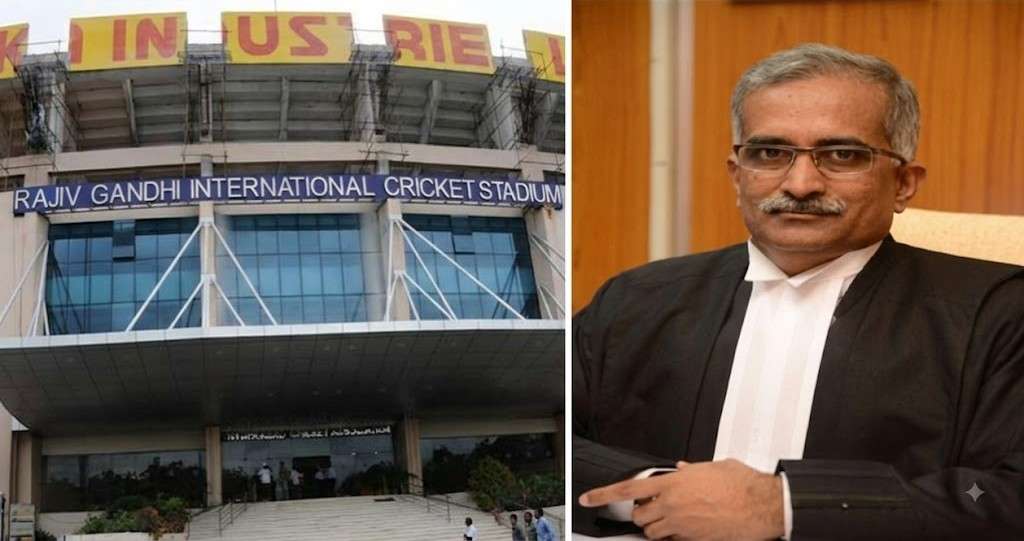
The Hyderabad Cricket Association has a long and undistinguished history of controversies involving player welfare and selection processes. Critics argue that TG20 risks reopening some of those old wounds — only this time with far more money, visibility, and scrutiny attached.

The Rooms That Should Worry HCA
Now to the part that goes beyond administration and enters far more uncomfortable territory.
The BCCI mandates Anti-Corruption Unit oversight for its affiliated competitions. Not as a procedural formality, but as a safeguard born out of cricket’s hard-earned lessons about what can happen when large sums of money, influence and sporting careers intersect without adequate supervision.
Accreditation protocols. Device restrictions. Background verification. Confidential reporting channels. The authority to intervene when something appears irregular.
The obvious question is: what safeguards are in place for Sunday’s auction?
A formal complaint alleging irregularities in HCA state-level selections is already on record. FIR No. 1199/2025 at Uppal Police Station exists. The allegations remain matters of investigation and no findings have yet been established.
Yet questions continue to circulate within cricketing circles.
Some sources claim that individuals connected to past controversies continue to operate within the wider cricket ecosystem, including around franchise structures. These claims remain unverified, but they persist.
Who has screened the representatives entering the auction room? Who has verified the backgrounds of those participating in a process involving crores of rupees and the careers of more than a thousand cricketers?
Then comes the whisper that refuses to fade.
That some auction outcomes may already be informally understood. That public bidding could, in certain cases, merely ratify decisions reached elsewhere. That some player destinations are known before the auctioneer calls the first name.
These remain rumours. No evidence has been publicly produced to substantiate them.
Yet rumours acquire power when transparency is absent. In the absence of answers, speculation invariably fills the vacuum.
Skeleton Crew Watching a Storm
The oversight structure for an auction involving ₹46 crores, eight franchises, more than 1,300 cricketers and a live national broadcast reportedly consists of two Governing Council members and a CEO.
For an event of this scale, sensitivity and financial consequence, that appears a remarkably thin layer of institutional supervision.
Whether by design or default, critical decisions concerning franchise arrangements, broadcast rights, player contracts and vendor relationships appear concentrated within a very small group. In any well-governed sporting structure, that would invite scrutiny.
In HCA’s context, it invites considerably more.
Transparency requires breadth, not merely intent.
And breadth demands more than three people overseeing a league handling crores of rupees in public and private investment.
Much of the operational support continues to come from HCA’s familiar administrative machinery — officials and functionaries who have remained part of the ecosystem through multiple controversies and crises over the years.
Old networks rarely disappear because a new league is launched.
They adapt.
They find new rooms to occupy.
They make themselves indispensable.
And before long, the new structure begins to resemble the old one — only with better branding, glossier presentations and newer jerseys.
Sunday Will Tell Us Everything
The lights will be bright. The bids will be loud. The cameras will roll for JioHotstar.
To the casual observer, it will appear a celebration of Telangana cricket.
But those who know where to look will be watching something else entirely.
Not merely who gets picked.
But how do they get picked?
Not merely who wins.
But how the system conducts itself when the spotlight is finally switched on.
Because what unfolds after Sunday may ultimately prove more consequential than the auction itself.
For now, the questions remain unanswered.
And in Telangana cricket, unanswered questions have a habit of returning.
Watch this space. A series of explosions is incoming.