



Yesterday it was Union Education Minister Dharmendra Pradhan. Today it is Chief Election Commissioner Gyanesh Kumar. Tomorrow, who knows? The Cockroach Janta Party (CJP), which began as a satirical digital movement and has rapidly transformed itself into a national pressure group, now believes it can issue 48-hour ultimatums to constitutional authorities and threaten nationwide agitation if its demands are not met.
The question is simple: Who gave CJP that authority?
Bharat is a constitutional democracy, not a street republic in which whoever mobilises the largest crowd or generates the loudest social-media noise can dictate terms to institutions created by the Constitution.
The CJP may have every right to question the Government, the Election Commission or any other public institution. It may protest peacefully. It may expose alleged irregularities. It may demand accountability. But the moment a pressure group begins issuing deadlines to constitutional authorities, demanding that elections be frozen and threatening nationwide disruption, the State has every reason to sit up and take notice.
And that is precisely why CJP can no longer be dismissed as merely another bunch of angry youngsters on social media.
Its evolution from a satirical online platform into an organised political pressure group has been remarkably swift. Its 49-day agitation over the NEET-UG examination controversy culminated in the resignation of Education Minister Dharmendra Pradhan. It has since expanded into campaigns concerning schools, unemployment, examination systems and now the Election Commission.
The Government should learn a lesson from this sequence.
Conceding demands under street pressure may provide temporary relief, but it can also create an unintended perception that sustained agitation is the quickest route to extracting political concessions. Once that perception takes root, there will inevitably be more Dipkes, more ultimatums and more attempts to turn every institutional disagreement into a national confrontation.
That is not healthy for any democracy.
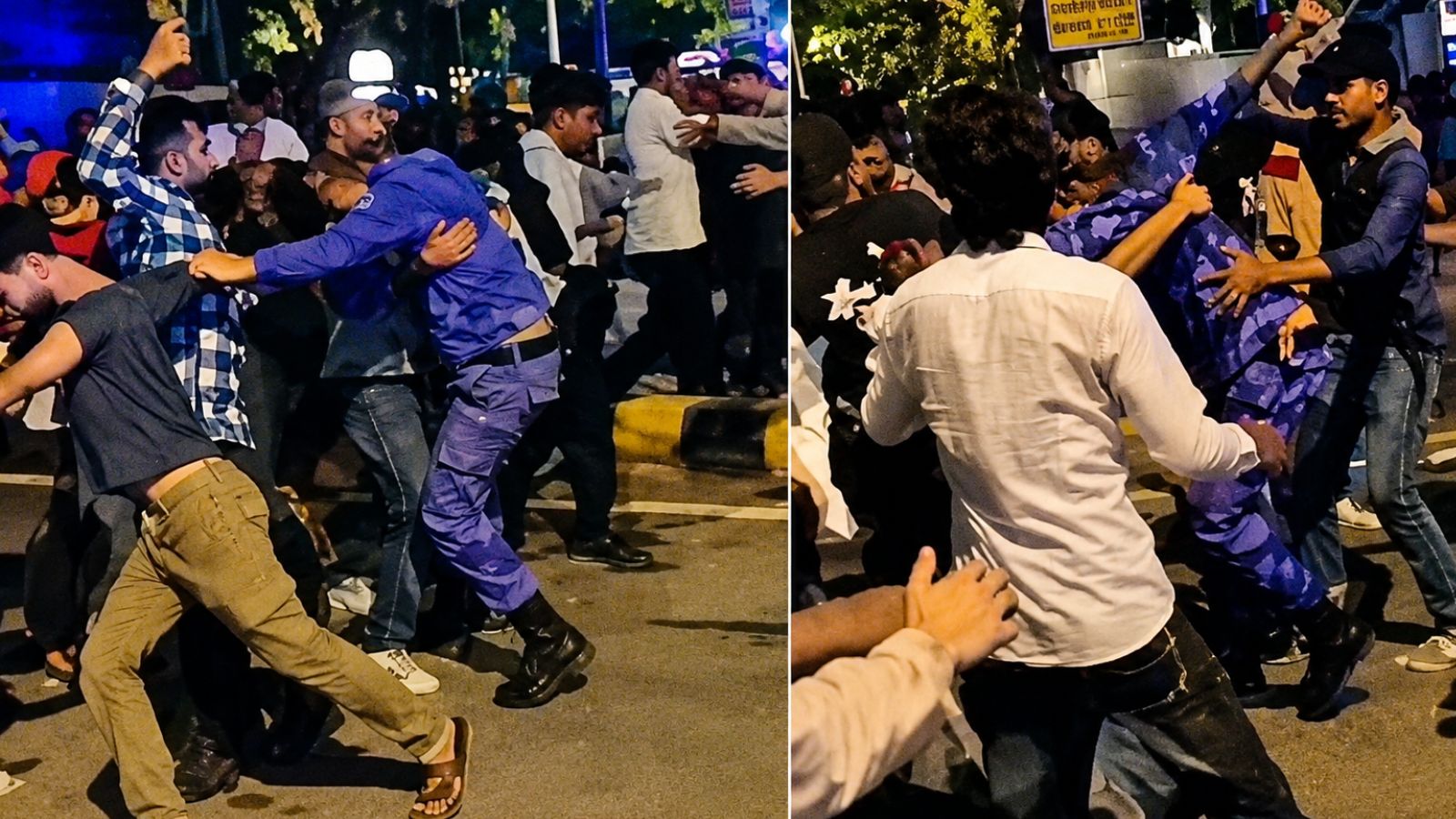
The July 20 confrontation at Jantar Mantar also cannot simply be erased from public memory. Delhi Police registered multiple FIRs following clashes during the CJP-led mobilisation, including allegations involving rioting, assault on public servants and damage to public property. At the same time, allegations of excessive police force have been raised by rights organisations and deserve independent investigation. Both sides must be accountable for their conduct.
There is another question that cannot be brushed aside merely because it is uncomfortable.
Among a section of nationalist Bharatiyas, there is a growing suspicion that movements of this kind may not always be as organically indigenous as they claim. Questions have already been raised publicly about CJP’s funding, while Dipke himself has rejected allegations of foreign funding and said the movement is supported by citizens, academics and doctors. He has also stated that his US education was funded through a Boston University scholarship and an education loan.
Therefore, let there be a proper investigation.
If there is nothing to hide, transparency will settle the matter.
If there is evidence of foreign funding, unlawful financial transactions, political sponsorship or any organised attempt to destabilise Bharat’s constitutional institutions, the law must take its course.
Suspicion is not evidence—but neither should suspicion be dismissed without investigation.
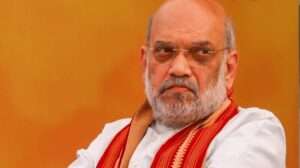
This is where the Union Home Ministry must demonstrate firmness without falling into the trap of arbitrary repression. The Government cannot and should not ban an organisation merely because it is critical of the ruling establishment. But neither should it wait until a movement crosses every conceivable red line before examining whether its activities threaten public order, national security or the functioning of constitutional institutions.
The latest CJP ultimatum makes the issue particularly serious. The organisation has demanded the resignation of CEC Gyanesh Kumar within 48 hours, called for a nationwide agitation and demanded that forthcoming elections be frozen. It has also demanded criminal proceedings against the CEC and changes to the legal framework governing Election Commissioners.
These are not trivial political slogans.
The Election Commission is a constitutional institution. Its decisions can be criticised and challenged through democratic and judicial mechanisms. But no self-appointed pressure group can confer upon itself the authority to suspend the electoral process of the world’s largest democracy.
That line must be made absolutely clear.
Protest, yes. Intimidation, no. Dissent, yes. Constitutional blackmail, no. Accountability, yes. Street veto, no.
And if CJP’s activities ultimately meet the legal threshold for prohibition, the Government should not hesitate merely because its members wrap themselves in the language of youth activism.
The same principle must apply to everybody.
If there is evidence of violence, prosecute.
If there is evidence of unlawful funding, investigate.
If there is evidence of incitement, act under the law.
If there is evidence of an organised conspiracy to undermine constitutional institutions, expose it and prosecute those responsible.
And if, after investigation and due process, CJP is found to satisfy the statutory conditions for being declared an unlawful organisation, ban it.
There is nothing undemocratic about a democracy defending itself through its own laws.
What would be undemocratic is allowing an unelected pressure group to progressively intimidate the institutions that millions of Bharatiyas depend upon to preserve constitutional order.
Bharat is at an important moment in its national journey. A country aspiring to become a major economic and strategic power cannot afford to allow street power, social-media intimidation or externally influenced agitation—if such influence is established—to become an alternative source of political authority.
The Government must therefore stop treating CJP as a passing social-media phenomenon.
Investigate it. Monitor it. Enforce the law against it. And if the evidence warrants prohibition, ban it.
The sovereignty of Bharat cannot be placed at the mercy of any individual, any pressure group or any self-appointed messiah of “Gen Z”.
CJP has the right to speak.
Bharat has the right to know who stands behind it.
And the Government has the responsibility to ensure that no movement—however fashionable, noisy or digitally powerful—ever acquires the power to hold the Republic hostage.

