



A series defeat is one thing. A 2-0 whitewash against Ireland is quite another.
For a country that prides itself on possessing the world’s deepest cricketing talent pool, losing a T20 series to a side still regarded as an emerging cricket nation is nothing short of humiliating. More importantly, it exposes uncomfortable questions that Bharat cricket cannot afford to ignore.
The immediate temptation would be to single out Captain Shreyas Iyer. That would be unfair.
Leadership is tested during adversity, but captains alone do not select squads, determine combinations or formulate long-term planning. Responsibility begins much earlier, with the selectors and extends right through the team management.
The selectors made a conscious decision to move away from established names in search of fresh combinations. There is nothing inherently wrong with experimentation. Every successful team evolves through transition. However, experimentation without balance often becomes recklessness.
Replacing experienced campaigners with players based largely on IPL performances is a dangerous temptation. Franchise cricket undoubtedly identifies talent, but international cricket—particularly in overseas conditions—is an entirely different examination.
Irish conditions demand patience, adaptability and experience. Domestic batting on flat IPL tracks cannot automatically prepare players for swinging conditions in Dublin or seam-friendly pitches in England.
That lesson was painfully evident throughout the series.
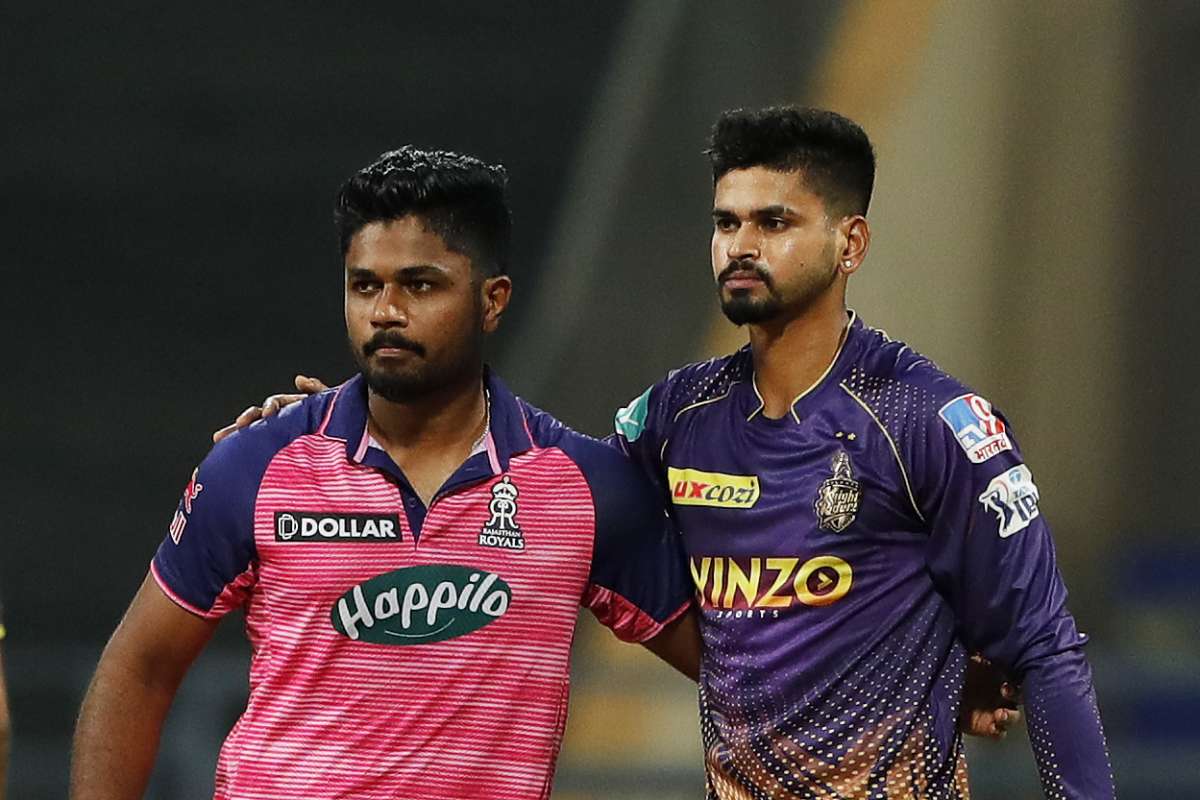
Several established players—including captain Shreyas Iyer, Sanju Samson, Ishan Kishan and Shivam Dube—failed to justify the faith reposed in them. Only Tilak Varma showed the temperament expected at this level, rescuing Bharat from complete embarrassment with a fighting half-century.
The defeat, therefore, cannot simply be attributed to one individual. It reflected collective underperformance.
Nevertheless, captaincy remains a separate examination.
History has repeatedly shown that not every great batsman becomes a great leader. Bharat has been fortunate to produce exceptional captains who transformed pressure into opportunity.
Kapil Dev, a genuine all-rounder who the country could find after a long wait, inspired an unfancied side to lift the 1983 World Cup. Mahendra Singh Dhoni redefined calmness under pressure while delivering all three ICC white-ball trophies. Rohit Sharma has already demonstrated remarkable tactical maturity in ICC tournaments. Virat Kohli, despite not possessing an ICC trophy as captain, earned universal admiration for his intensity, fitness revolution and relentless competitiveness.
On the other hand, even Sachin Tendulkar gracefully acknowledged that leadership did not suit him. Greatness with the bat does not automatically translate into greatness as captain.
Shreyas Iyer now faces a similar challenge.
His batting pedigree is unquestionable. But leadership demands much more than scoring runs. It requires tactical clarity, calm decision-making, and the ability to inspire teammates when the contest slips away.
The selectors, too, cannot escape scrutiny.
Selection committees often speak about “building for the future.” Yet that philosophy appears selective. If youngsters are genuinely viewed as Bharat’s future, then they must actually be trusted. Picking exciting prospects only to leave them warming the bench sends conflicting signals.
If a prodigious youngster like Vaibhav Suryavanshi is considered good enough to travel with the squad, why hesitate to hand him an opportunity when the series is already slipping away? International exposure is part of development. No young cricketer matures by carrying drinks.
Failure should never become a reason to deny opportunity. Every Bharateeyan great—from Sachin Tendulkar to Virat Kohli—learnt through early setbacks. Confidence comes only through exposure.
This is where head coach Gautam Gambhir and the team management now face an important test. Selection should be guided by long-term vision rather than excessive caution. If young talent has been identified, it deserves genuine backing, not symbolic inclusion.
Former cricketers, too, would do well to encourage rather than prematurely dismiss emerging players. Healthy criticism is essential; cynicism serves little purpose. Youngsters must be allowed to fail, learn, and improve. That is how champions are built.
The Ireland defeat should therefore serve as a wake-up call rather than a national crisis.
Bharat still possesses enormous talent, unmatched depth, and sufficient experience to recover quickly. But recovery will require honest introspection.
Selectors must strike a better balance between youth and experience. Team management must show greater conviction in its selections. Captains must lead from the front when pressure mounts. Players must understand that IPL success guarantees nothing at the international level.
Great teams are not remembered because they never lost. They are remembered because they learnt from defeat faster than everyone else.
The Ireland series must become that lesson—not merely another statistic buried in the record books.


