Special Correspondent
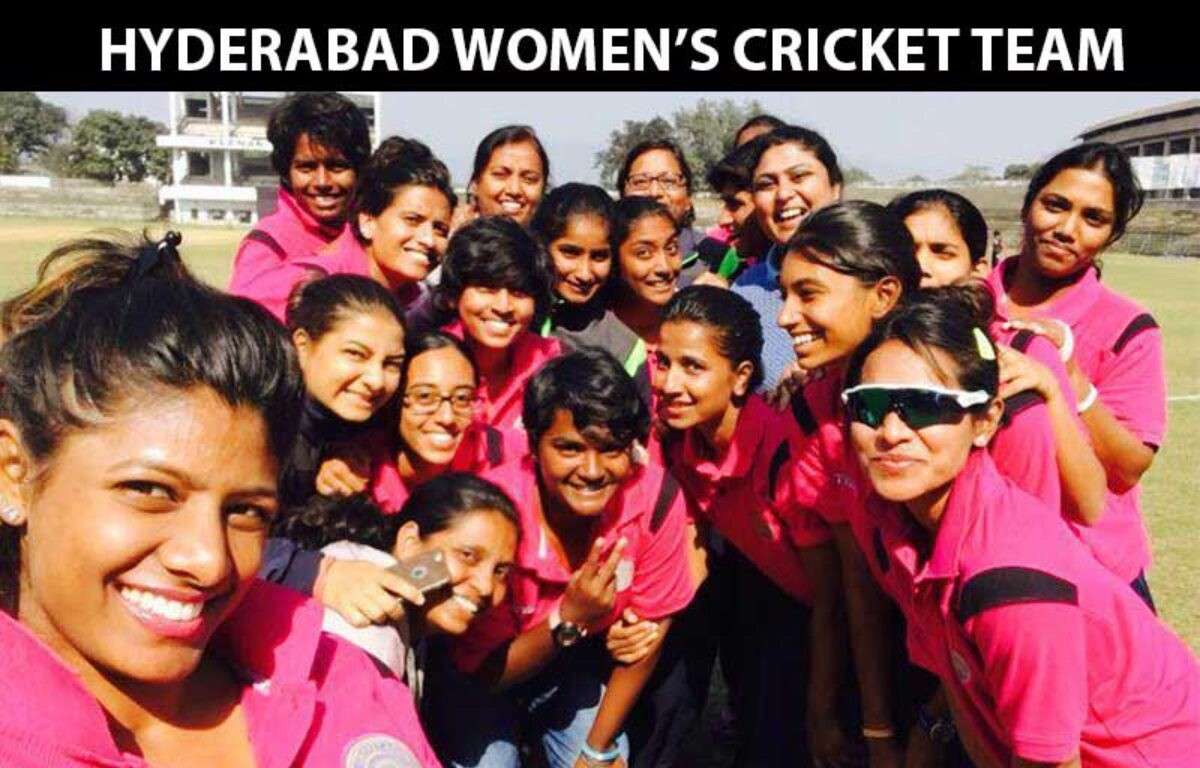
Even as the Hyderabad Cricket Association (HCA) may argue that there is no immediate urgency to constitute its Women’s Cricket Selection Committee because the domestic women’s season begins only around October, the delay has begun raising uncomfortable questions among women cricketers and former players alike.
Their concern is not merely about timing but about transparency.
Several women cricketers fear that the HCA may simply reappoint the same selection panels that had come under criticism in previous seasons for allegedly compromising merit and bringing disrepute to Hyderabad cricket through repeated controversies.
Though insiders close to the present HCA administration insist that significant reforms are under consideration and that the apprehensions are misplaced, scepticism among players refuses to die down.
Influence Beyond Official Positions?
The doubts are further fuelled by the visible presence of individuals with no official role in the HCA allegedly acting as “power brokers” or “policy influencers.” Their participation during the TG20 tournament, which is underway, and their proximity to cricket administration have led many within cricket circles to question whether unofficial influence continues to outweigh institutional processes, including selections.
Whether these perceptions are justified or not, the HCA leadership owes players greater clarity if it intends to restore confidence in its functioning.
TG20 debate refuses to fade
The controversy surrounding the TG20 tournament also remains unresolved.
The HCA had projected the tournament as a platform to identify and nurture cricketing talent from every corner of Telangana, particularly from rural and interior districts.
However, several observers continue to question whether that objective was ever achieved.
Critics argue that very few genuine aspirants from remote districts eventually benefited, reinforcing the long-standing perception that Hyderabad city continues to dominate the state’s cricketing ecosystem while talented youngsters from the districts remain on the margins.
A long-standing structural problem
The concern is not a recent one.
Former Hyderabad cricketer and selector Maheshwar Singh, who was part of the selection committee during Hyderabad’s historic 1978-79 Ranji Trophy-winning era, recalls that district teams frequently demonstrated remarkable talent despite operating under severe disadvantages.
According to him, district teams often travelled overnight from far-flung regions to participate in zonal tournaments, resulting in fatigue that affected their opening matches. Yet many of these teams recovered strongly to outperform city-based sides in the remaining league fixtures.
Despite their performances, several district cricketers failed to earn places in Hyderabad’s age-group state teams.
Maheshwar Singh says he personally witnessed this disparity during his tenure as selector and promises to identify several deserving players from Telangana who, despite consistently performing for their districts, were allegedly ignored.
He recalls that one common justification advanced at the time was that affiliated Hyderabad league players could not be overlooked.
Critics argue that if such thinking still survives, it strikes at the very foundation of merit-based selection and HCA’s claims that it represents the entire state.
Women’s cricket continues to wait
Former women cricketers have also questioned why HCA continues to treat women’s cricket differently from the men’s programme.
Instead of waiting for the competitive season to begin, they argue that the association should immediately identify 30 to 40 promising players and organise structured coaching, fitness, and conditioning camps well in advance, which were held in the past beginning in June itself under the watchful eyes of former Indian women’s team skipper, Purnima Rau.
Such preparatory camps have traditionally been conducted for men’s cricket, allowing players adequate time to improve skills and physical fitness before selection trials.
“If this can be done for men every year, why should women have to wait until the season is almost upon them?” asked a former Indian women’s cricketer, on condition of anonymity, describing the situation as an avoidable case of unequal treatment.
Development or endless litigation?
Critics also question whether the HCA Governing Body is devoting enough attention to cricket itself.
Over the past several months, much of the association’s energy appears to have been consumed by legal disputes, including litigation surrounding the continuation of the court-appointed Ombudsman and Ethics Officer.
While legal issues have their place, players and stakeholders believe cricket administration cannot become a secondary priority.
Many argue that the association should instead focus on strengthening grassroots development, ensuring transparent selections, improving governance and rebuilding trust among players.
Questions that refuse to go away
For years, Hyderabad cricket has battled allegations of nepotism, favouritism, undue influence of private academies, questionable appointments to selection panels and even accusations of a “pay-to-play” culture.
While successive administrations have denied such allegations, the persistence of these complaints suggests with pending police complains, state ACB report, or other agencies, besides courts, that confidence among stakeholders remains fragile.
The delay in constituting the Women’s Selection Committee may appear administrative on the surface.
But for many players, it has become symbolic of a larger issue.
Can the HCA genuinely assure women cricketers that selections will be transparent, merit-based and free from outside influence?
Can talented players from Telangana’s districts finally expect equal opportunity alongside their counterparts from Hyderabad?
And perhaps most importantly, will the present administration devote more time to rebuilding cricket than to fighting court battles?
Until those questions receive convincing answers, doubts over Hyderabad cricket’s governance are unlikely to disappear.