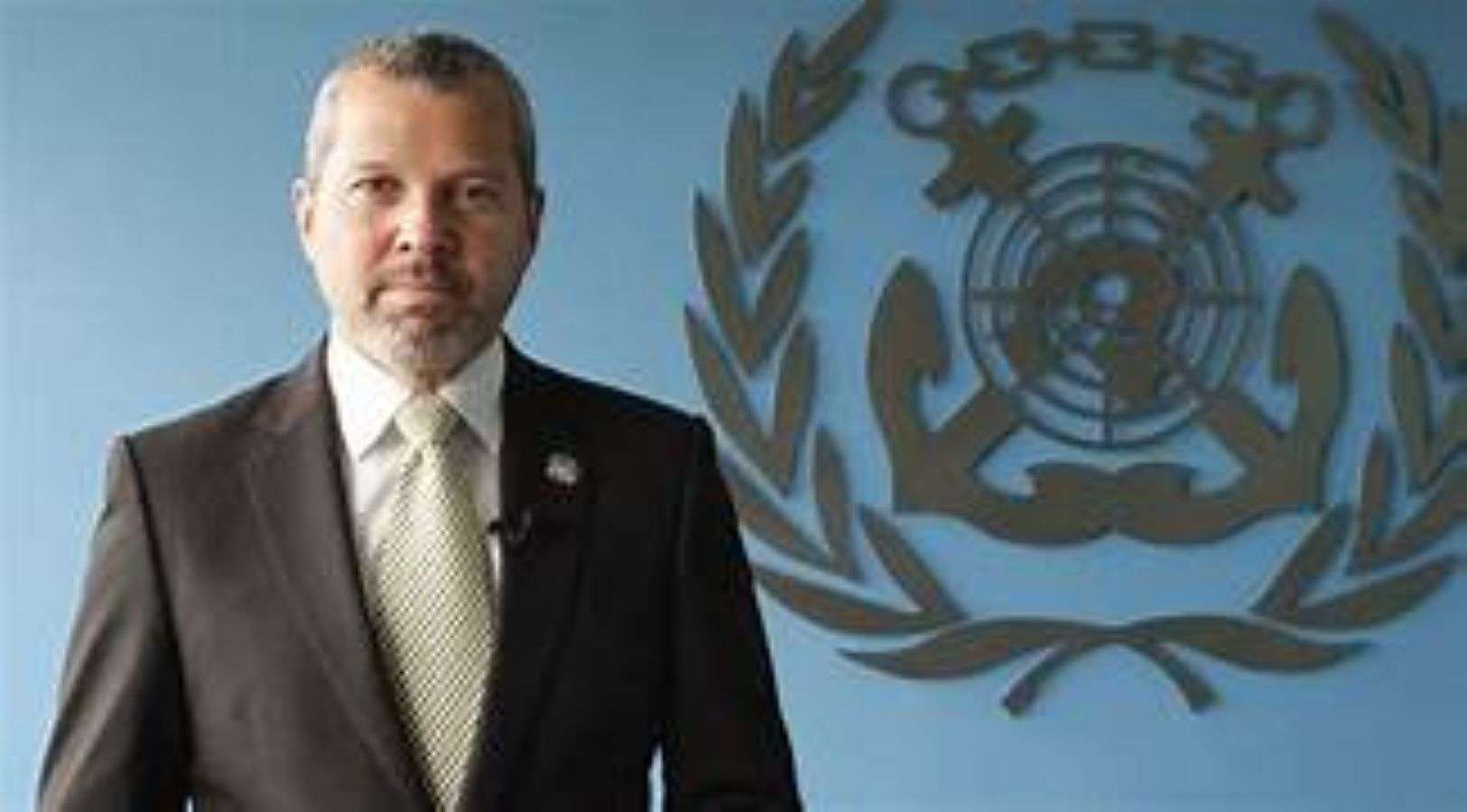
Singapore: Countries standing up for freedom of navigation in the Strait of Hormuz are sending “the right message”, the head of the International Maritime Organization (IMO) said as tensions between Iran and the United States continue to threaten global shipping.
Speaking to Singapore media on Monday, Arsenio Dominguez, secretary-general of the IMO, also cautioned against the growing use of shipping as leverage in geopolitical conflicts.
Dominguez said the IMO has drawn up evacuation plans for roughly 20,000 seafarers stranded aboard more than 1,600 vessels still stuck in the Persian Gulf.
The organisation has also worked out arrangements with a group of countries to ensure the Strait of Hormuz is cleared of mines and other hazards when shipping eventually resumes, The Straits Times reported on Tuesday, citing the IMO chief.
Hopes that a two-week ceasefire between Washington and Tehran would ease pressure on the shipping industry were dashed after a brief and confused reopening over the April 18 weekend ended with the US maintaining its blockade of Iran’s ports and seizing an Iranian cargo ship.
Commercial traffic through Hormuz returned to a virtual standstill on April 20 as uncertainty looms over whether the US-Iran truce, due to expire on April 22, will hold. Plans for a second round of negotiations in Pakistan also remain uncertain.
Given the current situation, disruptions to fertiliser and natural gas supplies could extend into 2027 – and that is only if hostilities end and work to restore global trade flows can begin, Dominguez said after arriving in Singapore to attend Singapore Maritime Week, being held from April 20 to 24.
“The reality is that we need the global community to rally behind a de-escalation of the conflict to allow us to trade as usual,” he said, noting that the IMO has been in contact with Iran and neighbouring countries such as Oman to discuss how safe trade through the Strait of Hormuz can resume after the conflict ends.
“It’s not over yet but the sooner it comes to an end, the sooner we can all start tackling the next round of challenges,” the daily quoted Dominguez as saying.
“The longer this goes on, the more negative impacts we will see on the global economy.”
Still, he said he was hopeful the situation would improve. “I still see positives in the fact that the parties engaged in the conflict are talking to each other,” he said.
Dominguez also rejected the idea of tolls or payment mechanisms in waterways used for international navigation.
“I want to highlight the position of the Government of Singapore, which was very loud and clear that it was not going to negotiate on those terms,” he said.
The IMO chief did not specify which countries had made commitments, pointing only to a summit of 51 nations led by France and the United Kingdom that met on April 17 to discuss the Gulf crisis.
So far, 22 countries have publicly signed on to a “defensive” multinational mission to keep the waterway open should peace be achieved.
However, he emphasised that such plans can be carried out only when it is safe.
“We cannot put the seafarers at risk,” he said, noting that vessels that sailed through the strait during the brief weekend window reported near misses with military drones and missile fire.
Asked whether shipowners may need added security arrangements such as armed escorts or patrols once the waterway reopens, Dominguez said these may be required initially to provide a sense of security and ensure insurance remains affordable, limiting the impact on freight costs.
But he stressed this would not be sustainable in the long term.
“We have to remember that we are not military assets and seafarers are not trained for combat.”
The IMO is also open to other solutions, such as establishing additional shipping corridors in the Strait of Hormuz, though this must comply with international law and IMO rules.
“We need cooperation between Iran and Oman, not unilateral decisions,” he added. Oman also borders the strait and controls some of its shipping lanes.
Asked about the precedent the crisis may set for other maritime chokepoints such as the Strait of Malacca and the Singapore Strait, Dominguez pointed to a cooperative mechanism between Singapore, Malaysia and Indonesia as a model.
Formed in 2007, the mechanism allows the three countries and the wider maritime community to hold dialogue on navigational safety and environmental protection in the two straits.
“It improves the operations of shipping and we can replicate it in other areas,” he said.
Reflecting on the impact of the closure of Hormuz, Dominguez said the crisis underscores the importance of keeping shipping free and secure.
“If we start transferring cargo from the Gulf region to other means of transportation, they will only be able to ship between 5 and 10 per cent of what shipping transports daily,” he said.
“We can find new ways of operating, we can find new routes. But we’re not going to be able to supply the demands of the global economy,” the IMO chief was quoted as saying.