



When Telangana was carved out of the erstwhile Andhra Pradesh in 2014, the slogan was simple yet powerful—self-rule. The promise was that the people of Telangana would finally become masters of their own destiny after decades of complaining about discrimination in jobs, irrigation, education, and governance. It was never supposed to be a movement against Telugu-speaking people from Coastal Andhra or Rayalaseema. It was a movement against perceived political and administrative injustice. Twelve years later, one cannot help but ask a rather uncomfortable question: Has anything really changed, or have only the faces occupying the chairs changed? The irony is almost poetic. The Telangana movement frequently accused successive governments of rolling out the red carpet for contractors and influential businessmen from Coastal Andhra. The demand was that Telangana’s resources should primarily benefit Telangana’s own people. Fair enough. But today, if appointments to key institutions continue to trigger allegations that influential outsiders still enjoy extraordinary access and influence, then what exactly was the movement fighting for? Apparently, “self-rule” now comes with an asterisk and plenty of fine print. Former Chief Minister K. Chandrasekhar Rao deserves enormous credit for leading the movement that eventually resulted in statehood. Unfortunately, once power arrived, humility seemed to leave. Telangana increasingly appeared less like a people’s state and more like a carefully managed family enterprise. Ministries, important positions, and political prominence somehow kept circulating within familiar surnames. Merit often seemed optional. The electorate eventually delivered its own audit report in the 2023 Assembly elections. Perhaps the biggest political irony was KCR’s transformation of the Telangana Rashtra Samithi into the Bharat Rashtra Samithi. The leader who once argued passionately for regional identity suddenly developed national ambitions. The party that was born to fight for Telangana began dreaming of ruling Bharat. One cannot blame citizens for wondering whether the destination had quietly changed while they were still applauding the journey.
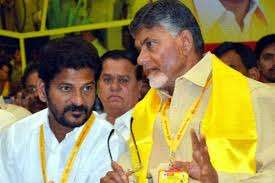
Now comes the next chapter. Chief Minister A. Revanth Reddy has travelled an equally fascinating political route—from student activism to the Telugu Desam Party and eventually to the Congress. Politics, after all, is the only profession where yesterday’s ideological opponent can become today’s trusted colleague without anyone demanding a medical certificate for the sudden change of heart. His critics now argue that his long association with leaders across the border has influenced certain decisions that appear to favour non-local interests. The recent appointment of retired IAS officer K.S. Srinivasa Raju as Chairman of the Telangana Real Estate Regulatory Authority (TRERA) has become the latest flashpoint, with some retired bureaucrats questioning whether Telangana truly lacked equally competent candidates from within the state. Whether those criticisms are fair or not, perception often becomes political reality. Ironically, the opposition finds itself unusually silent. The BRS, having rebranded itself as a national party, now finds it difficult to revive the regional sentiment that once fuelled its rise. After all, it is difficult to lecture others on protecting Telangana’s interests after spending years attempting to transcend them. Meanwhile, Hyderabad’s real estate story continues uninterrupted. During the statehood agitation, fiery speeches warned that powerful interests would be driven out. Yet markets have an uncanny ability to ignore political slogans. Land acquired decades ago for what many considered bargain prices has multiplied into fortunes worth thousands of crores. The small investor may have panicked during turbulent times, but influential players rarely sell in fear. They simply wait for governments to change. And governments do change. Influence, however, often appears remarkably permanent. This debate is not about whether someone was born in Telangana, Andhra Pradesh or anywhere else in India. Every Bharateeyan has every constitutional right to live, work and invest anywhere in the country. That principle is non-negotiable. The real question is much simpler. If the promise of Telangana was equal opportunity for its own people, transparency in governance and freedom from entrenched political networks, then every government must be judged by that benchmark—not by the slogans it inherited. Otherwise, history may record that Telangana succeeded in redrawing the map but failed to redraw the political culture. And that would be the most expensive cartographic exercise in independent India’s history.

