Director P. Suneel Kumar Reddy discusses his new courtroom drama ‘LGBT: A Legal Battle’, the research behind it, the challenges of portraying LGBTQ+ lives on screen, and why cinema must sometimes venture into uncomfortable territory.
P Nagarjuna Rao
Few Telugu filmmakers have consistently ventured outside the comfort zone of mainstream cinema. Over the years, director P. Suneel Kumar Reddy has built a reputation for telling stories about communities and issues that rarely find space on the commercial screen, whether in Sontha Ooru, Gangaputrulu, A Romantic Crime Katha, or Gulf.
His latest film, LGBT: A Legal Battle, releasing on June 19, enters another sensitive and often polarising space. Framed as a courtroom drama, the film examines questions of equality, dignity, and constitutional rights through the experiences of LGBTQ+ individuals navigating prejudice and social acceptance.
In this conversation, he speaks about the inspiration behind the film, the research that informed it, the challenge of balancing legal arguments with emotional storytelling, and why he believes cinema can help audiences see beyond stereotypes.
Excerpts:
Q: What first prompted you to make a film on LGBTQ+ issues, especially at a time when the subject still attracts strong reactions in society?
A: As a filmmaker, I have always been drawn to stories of people whose voices are often unheard. Whether it was Sontha Ooru, Gangaputrulu, A Romantic Crime Katha or Gulf, I have tried to explore lives that mainstream cinema often overlooks.
When I interacted with members of the LGBTQ+ community, I discovered stories of resilience, love, rejection and hope behind the stereotypes and public debates. I felt these stories deserved to be told with honesty and dignity.
Q: Why did you choose a courtroom drama format instead of a conventional social or family drama?
A: The issues faced by LGBTQ+ individuals are not merely social; they are also constitutional and legal. Questions of equality, dignity, privacy, and fundamental rights have been debated extensively in courts.
A courtroom drama provided the ideal framework to explore both the emotional and legal dimensions of the issue while keeping the narrative engaging.

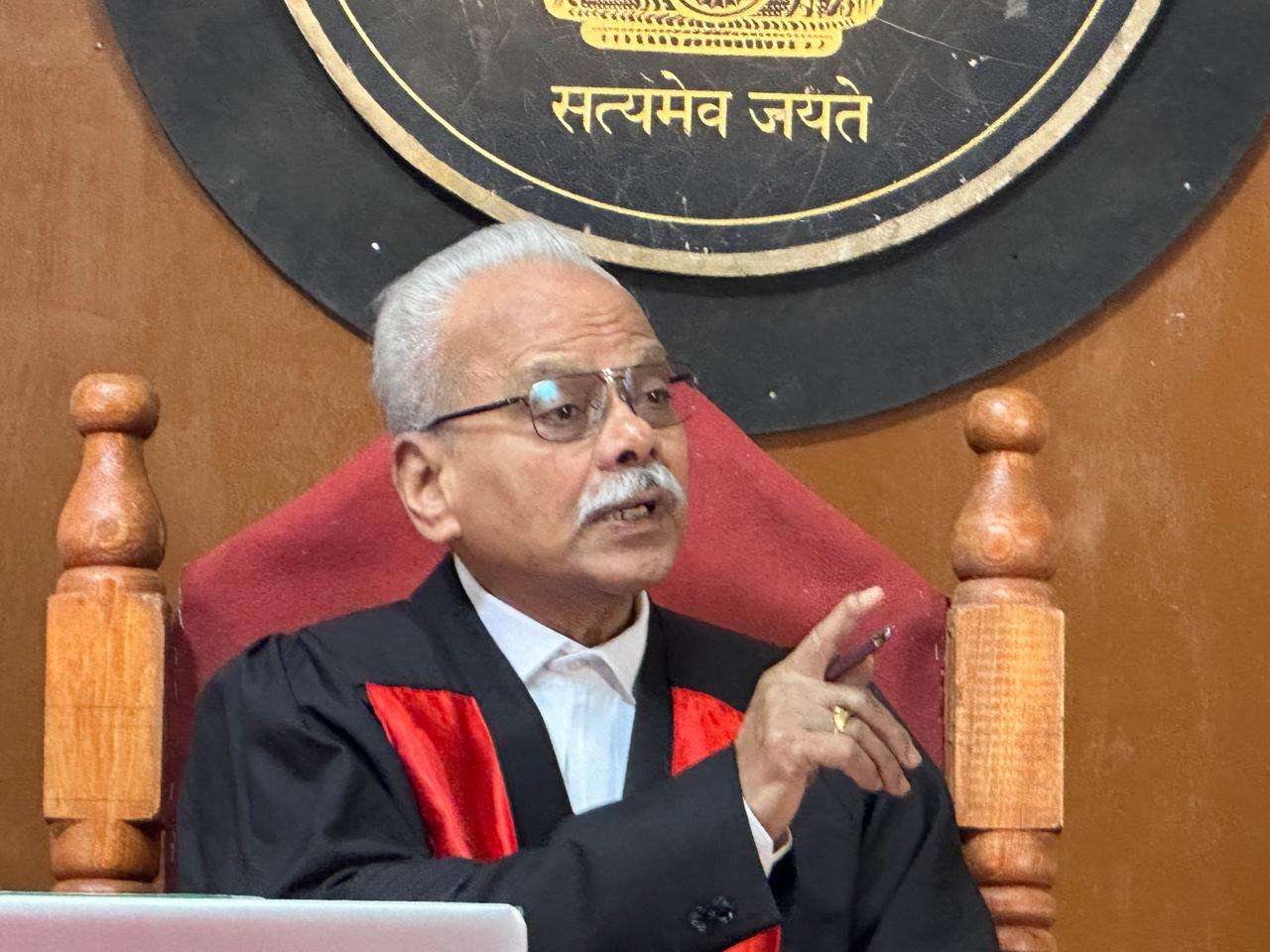
Photo caption: Krishna, LB Sriram, and Chandramukhi in a scene from the movie
Q: Was there a particular real-life incident, court judgment, or personal interaction that inspired the film?
A: The film is not based on any one individual or incident. It draws inspiration from numerous conversations, real-life experiences, and the evolving legal landscape in India. It is a reflection of many collective experiences rather than a recreation of a specific event.
Q: How much research went into understanding the experiences of LGBTQ+ individuals?
A: Research formed the backbone of the project. We interacted with members of the LGBTQ+ community, activists, professionals, and ordinary citizens. Many shared deeply personal experiences that helped us understand the realities behind the larger social debate. These interactions influenced the writing, characterisation, and overall approach of the film.
Q: Courtroom dramas often simplify legal arguments for audiences. How did you balance legal accuracy with cinematic storytelling?
A: The law provides the framework, but cinema requires emotion and human connection. We stayed true to the spirit of the legal arguments while ensuring that the narrative remained accessible and engaging.
I am grateful to members of the legal fraternity who guided my research, including High Court Advocate Prithviraj, Supreme Court Advocate S.K. Shareef, and Mr Suryanarayana from the court administration.
Discussions with Sessions Court judges and law professors from M.G. Law College and ICFAI also helped me understand the legal nuances behind the issues portrayed in the film.

Photo caption: Vishnu Teja and Esther Noronah
Q: Did you face any dilemmas while portraying a subject that is both emotionally sensitive and politically debated?
A: Absolutely. The biggest challenge was finding the right balance. We wanted to be truthful without becoming sensational and sensitive without becoming overly cautious.
The objective was never to provoke controversy but to tell a meaningful story that respects the experiences of the community.
Q: Telugu cinema has traditionally used queer characters for comedy or caricature. Do you see this film as a corrective to that legacy?
A: I would not call it a corrective, but it is certainly an attempt to present LGBTQ+ individuals as complete human beings rather than stereotypes. They have families, aspirations, careers, emotions and struggles just like everyone else. The film seeks to move the conversation beyond caricatures.
Q: What are some of the biggest misconceptions about LGBTQ+ people that the film seeks to challenge?
A: One major misconception is that LGBTQ+ people are fundamentally different from everyone else. In reality, they seek the same things most people do – love, acceptance, dignity, family support, safety, and opportunity. The film challenges the idea that they are outsiders to society.
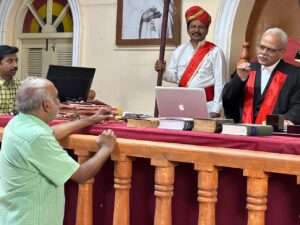
Photo caption: Director Suneel Kumar Reddy explaining a scene to LB Sriram
Q: Some critics argue that LGBTQ+ themes do not reflect Indian culture. How do you respond to that view?
A: Human dignity is universal. Indian society has always been diverse and complex. Our literature, history and cultural traditions contain many references to gender and sexual diversity. More importantly, the film is about constitutional values and human rights. Respecting another person’s dignity is a human value.
Q: How did you ensure that the film remains engaging as a drama while also carrying a social message?
A: Audiences come to theatres for stories, not lectures. We focused on compelling characters, emotional conflicts, relationships and dramatic situations. The message emerges naturally from the narrative rather than being imposed upon it.
Q: Did you consciously avoid being preachy?
A: Yes. Cinema works best when it invites audiences to think and feel rather than instructing them what to believe. We wanted viewers to engage with the characters and draw their own conclusions.
Q: Which scene in the film was the most difficult to write or shoot?
A: The courtroom confrontations were among the most challenging because they required us to balance legal arguments with deeply personal experiences. The emotional truth of those scenes was just as important as the legal reasoning.
Q: Are you targeting primarily urban audiences, or do you believe the film can connect equally with viewers in smaller towns and rural areas?
A: The themes explored in the film are universal. Questions of family, acceptance, justice, prejudice and dignity exist everywhere. I believe audiences in cities, towns, and villages can all relate to the emotional core of the story.
Q: What would success look like for this film?
A: Commercial success is always welcome because it helps important stories reach wider audiences. But if the film creates meaningful conversations and encourages greater empathy, I would consider that a success as well.
Q: If a viewer who is sceptical about LGBTQ+ rights watches the film, what is the one takeaway you would like them to leave with?
A: Before judging someone, try to understand their experience. Empathy often begins where assumptions end.
Q: Do you think the law in India has moved faster than society on LGBTQ+ issues?
A: In many ways, yes. Laws can change through court judgments and legislative action, but social attitudes often take much longer to evolve. Legal recognition is important, but true equality also requires acceptance in everyday life.
Q: Does the film argue merely for tolerance, or does it make a stronger case for acceptance and equality?
A: Tolerance is only the beginning. The film advocates dignity, equality and genuine acceptance. People should not merely be tolerated; they should be respected as equal members of society.
Q: What role should cinema play in shaping public opinion on questions of identity, rights, and dignity?
A: Cinema is one of the most powerful storytelling mediums. While its primary purpose is entertainment, it also has the ability to foster empathy and broaden perspectives. A film can help audiences understand lives and experiences very different from their own.
Q: You have often chosen subjects that mainstream filmmakers tend to avoid. What keeps drawing you towards socially contentious themes?
A: I have never believed that cinema should only entertain. The stories that stay with us are often the ones that challenge us to think. I am naturally drawn to subjects that are underrepresented, misunderstood or ignored. They may not always be commercially safe, but they are deeply human and socially relevant.
Q: If you could ask every viewer one question after they watch LGBT: A Legal Battle, what would that question be?
A: If this were your child, your sibling, your friend, or someone you love, would you still see them differently – or would you simply see another human being deserving of love, dignity, and equal rights?