



The Union Government’s decision to reclaim the 27.3-acre land housing the Delhi Gymkhana Club has triggered outrage in elite circles, emotional appeals about “heritage,” and predictable accusations of state overreach. Yet stripped of sentimentality, the larger question confronting India is far more fundamental: can a developing nation of 140 crore people continue allowing vast tracts of prime public land to remain locked inside colonial-era privilege islands meant for a tiny social class?
The answer increasingly appears to be no.
Legally, the Centre’s position is difficult to dismiss outright. Clause 4 of the lease deed reportedly empowers the government to terminate the lease if the land is required for public purpose. The property sits adjacent to the Prime Minister’s residence on Lok Kalyan Marg, an area now carrying extraordinary security sensitivities. Whether one agrees politically or not, the state possesses a legitimate constitutional obligation to prioritize national security and strategic infrastructure over recreational exclusivity.
But the issue goes beyond one club in Delhi.
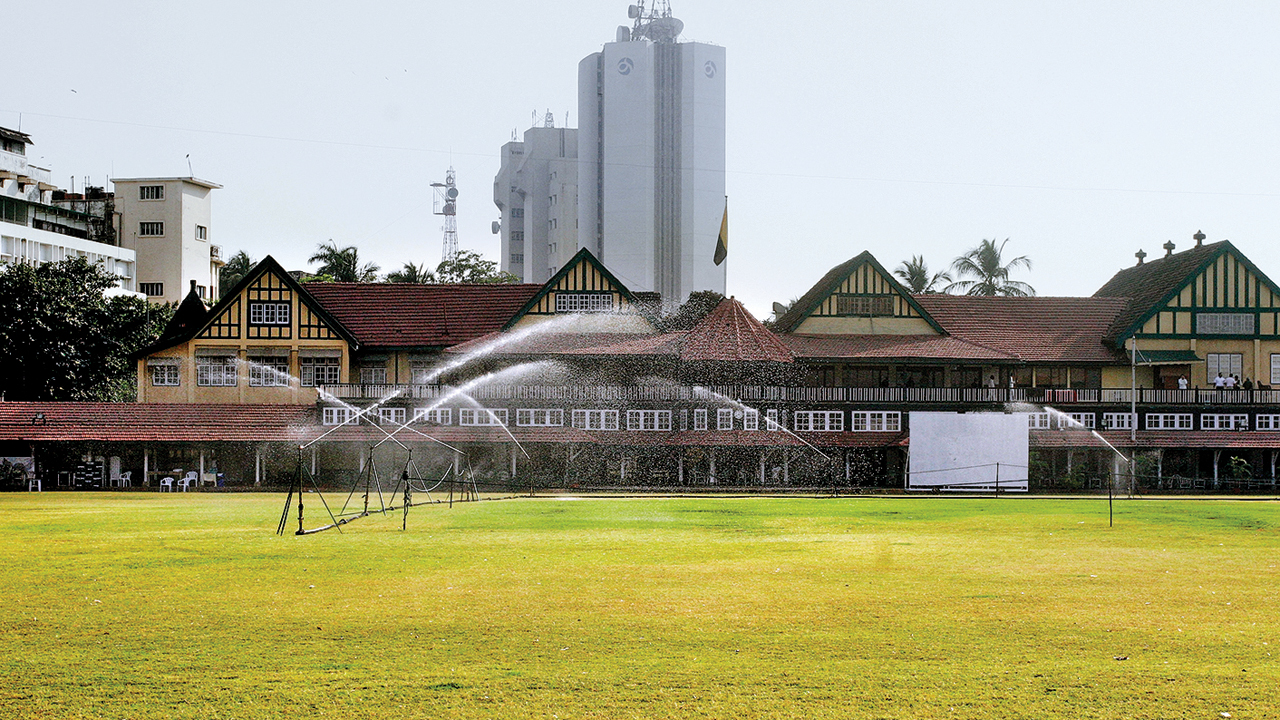
Across India, from The Bengal Club to Bombay Gymkhana, from Bangalore Club to Secunderabad Club, massive stretches of urban land continue to operate as relics of colonial-era entitlement. These institutions were conceived during British rule, when India’s population was barely 35 crore and urban pressure was minimal. Today, India is a densely populated economic giant struggling for road expansion, public transport corridors, housing, defense infrastructure, green urban planning, and civic mobility.
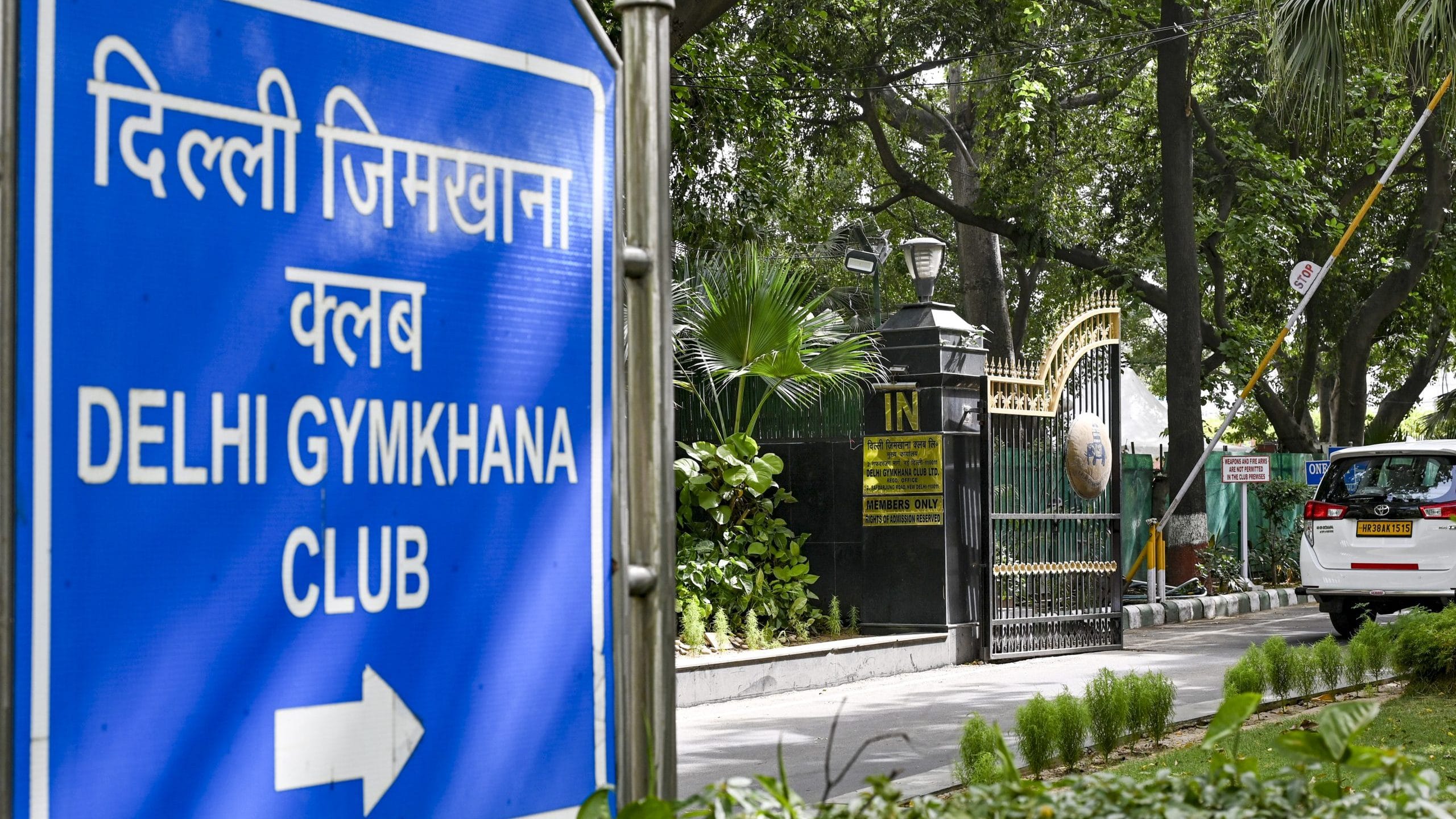
Yet some of the most strategically located lands in metropolitan India remain occupied by elite clubs with restrictive memberships, archaic dress codes, waiting lists spanning years, and reciprocal access networks catering largely to the privileged few.
This contradiction is becoming increasingly indefensible.
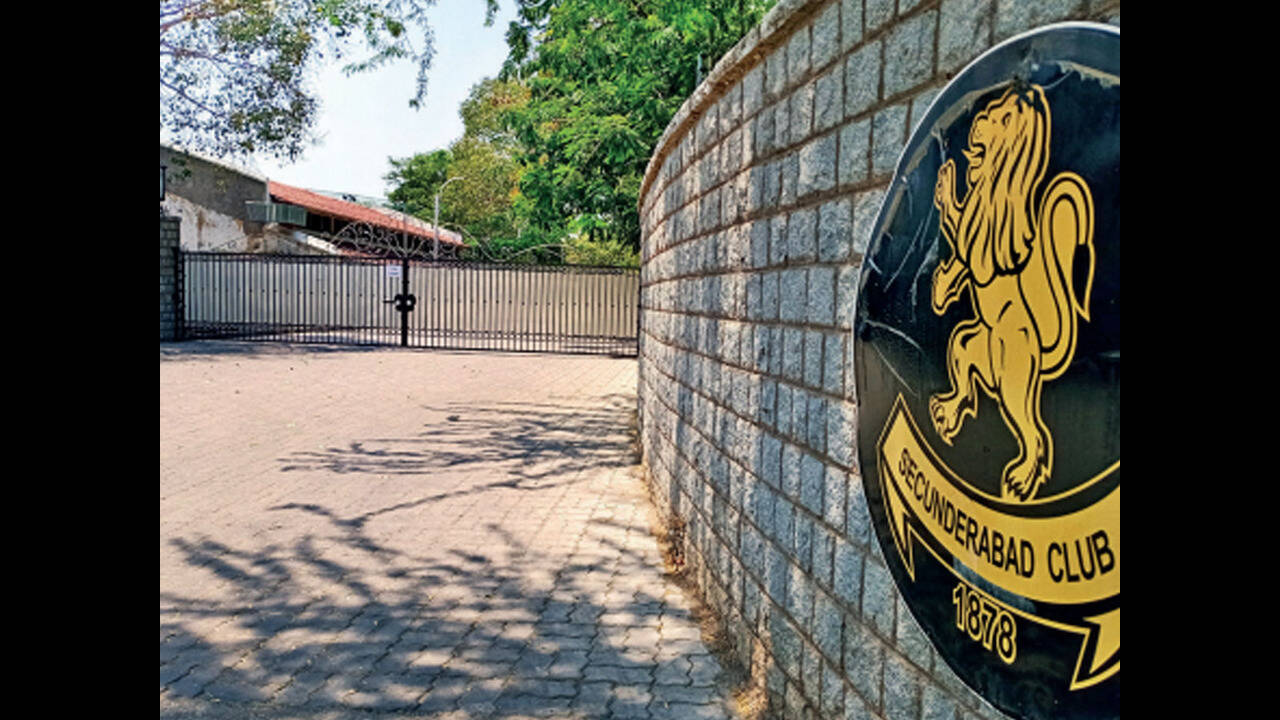
Take the Secunderabad Club as an example. Spread over roughly 22 acres, with an additional annexe near Hussain Sagar, the property sits on land that once passed from the Nizam-era domain into British cantonment control and later under Indian military administration after Independence. Over the decades, however, operational control gradually shifted into private civilian hands while the land itself retained immense strategic and civic value.
 "Reclaiming the Republic 6 OrangeNews9")
Today, Hyderabad is choking under traffic expansion demands, metro connectivity pressures, and exploding urban density. The proposed metro expansion toward Shameerpet has repeatedly encountered planning complications around land alignment and institutional barriers. In such circumstances, should public infrastructure benefiting lakhs of commuters be held hostage indefinitely to preserve elite leisure spaces for a few thousand members?
That is the uncomfortable but unavoidable question.
Critics argue this is an assault on heritage. But heritage cannot become immunity from public accountability. India cannot preserve colonial exclusivity in the name of nostalgia while simultaneously claiming to be building a modern, equitable republic. If governments can acquire private agricultural land for highways, airports, defense corridors, industrial zones, and urban projects, why should historically privileged clubs alone become untouchable sanctuaries?
The hypocrisy becomes starker when viewed against recent urban policy decisions. Governments across India — including Congress administrations — have shown little hesitation in cutting thousands of trees, altering ecosystems, and reshaping protected urban zones for flyovers, tunnels, expressways, and commercial expansion. If “public purpose” can justify environmental disruption elsewhere, then surely reclaiming underutilized government land for mass urban transport or national infrastructure becomes an even stronger argument.
That does not mean arbitrary state confiscation should be celebrated blindly.
The concerns raised by members of the Delhi Gymkhana Club are not entirely frivolous. Governments cannot invoke “national security” as a magical phrase beyond judicial scrutiny. Courts must ensure that lease resumptions are transparent, non-discriminatory, and genuinely tied to demonstrable public necessity. Compensation structures, heritage preservation components, and transitional safeguards should also be considered wherever appropriate.
But the larger principle remains valid.
Independent India cannot forever operate under a land-use philosophy inherited from colonial rulers who designed exclusive enclaves for imperial administrators while the masses remained outside the gates. Prime urban land owned by the state must ultimately serve the broadest public good, not perpetuate islands of inherited privilege.
The Delhi Gymkhana decision may therefore become more than a legal dispute. It could well mark the beginning of a long-overdue national debate: in a rising India of 140 crore aspirations, who truly deserves the republic’s most valuable land — a privileged few, or the public at large?


Dynamic “Forth Right”, Very Well Justified about So Called Heritage Structures Can be Put to Public Use in Highly Populated Today’s Modern Bharat.Very Well Scripted.