U Lakshman Rao
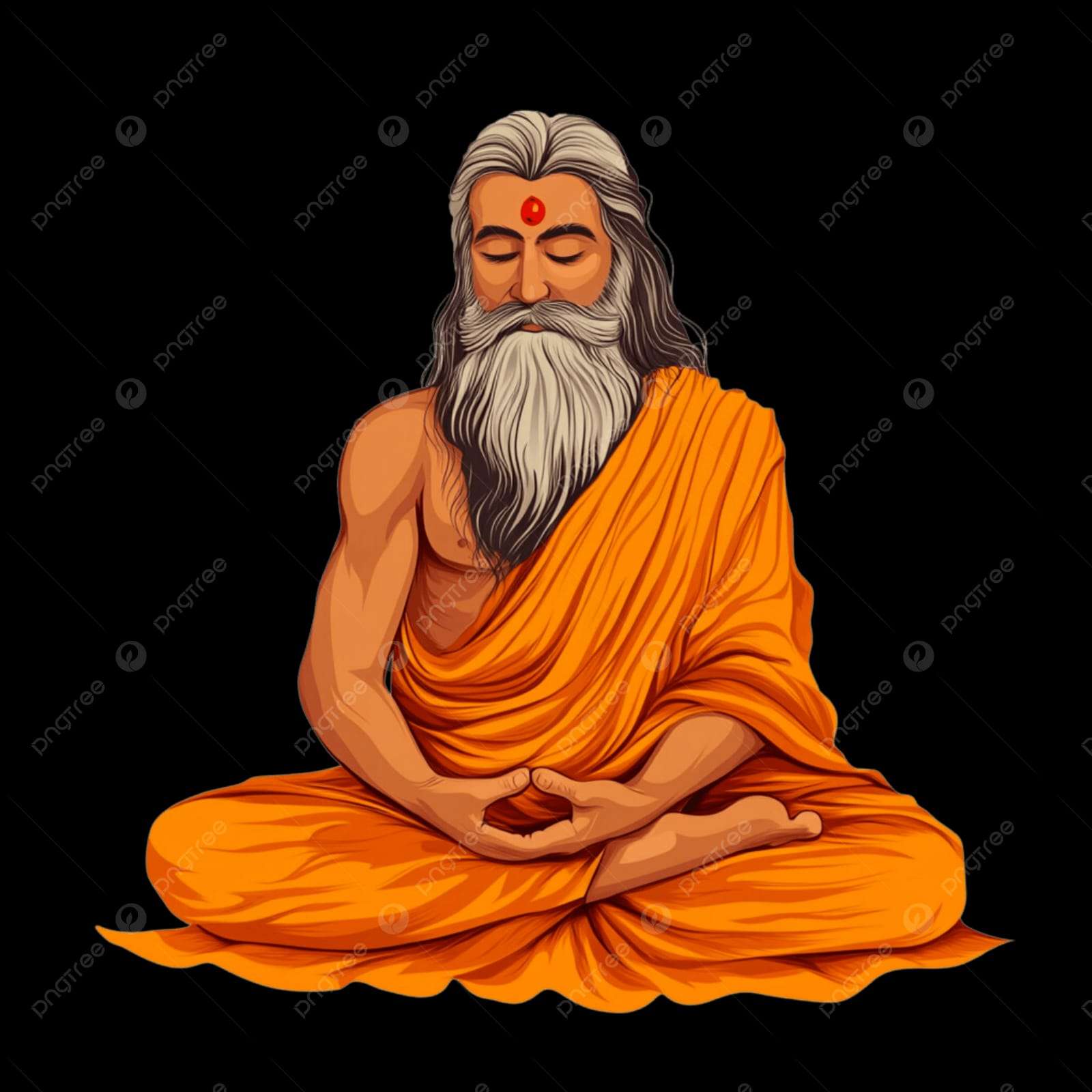
Today is a day of celebration as the world observes Yoga Day. People across the globe recognise and appreciate the timeless values of health, inner balance, spiritual growth, and human potential that yoga promotes. This widespread acceptance reflects a shared desire for a healthier, more meaningful way of life. Thousands of years ago, the ancient seers of Bharata Varsha explored the deeper dimensions of human existence and gifted the world the sacred science of yoga. Through yogic postures (asanas), breathing techniques (pranayama), meditation, and disciplined living, they showed humanity a path towards physical well-being, mental clarity, emotional stability, and spiritual awakening. Today yoga has transcended geographical, cultural, and linguistic boundaries, emerging as a universal practice that unites people in the pursuit of holistic health and inner peace. Its enduring relevance is a testament to the profound wisdom of India’s ancient civilisation and its invaluable contribution to humanity. — EDITOR
The Timeless Wisdom of Yoga
The International Day of Yoga was proposed by Narendra Modi during his address to the United Nations. The purpose of this observance is to celebrate and promote the physical, mental, and spiritual benefits of yoga, one of the most ancient and profound traditions of Bharat. Supported by 175 nations, the United Nations declared 21 June as the International Day of Yoga, a date that coincides with the summer solstice, a period traditionally regarded as significant in many spiritual traditions. This global recognition reflects the universal relevance of yoga and its ability to guide humanity toward harmony, health, and inner peace.
Yoga is derived from the Sanskrit root meaning “to unite.” It refers to the methods through which an individual seeks union with the Divine Reality that underlies the ever-changing universe. The goal of yoga is to realize this eternal Reality by distinguishing it from the temporary appearances of the world. One who follows this path is known as a yogi. Yoga is not merely a system of physical exercises; it is a complete science of life that seeks to harmonize body, mind, and spirit while leading the individual toward self-realization.
According to the ancient sages of Bharat, the mind consists of three principal components: Manas, Buddhi, and Ahamkara. Manas is the faculty that receives impressions gathered through the senses. Buddhi is the discriminative intelligence that analyzes and interprets these impressions. Ahamkara is the ego sense that claims these experiences as its own and stores them as personal knowledge. Through these functions, the mind appears intelligent and conscious. However, yoga teaches that the mind possesses only reflected consciousness. The true source of consciousness is the Atman, the eternal Self present within every living being.
The Atman is pure consciousness, ever free, ever luminous, and untouched by the changes of the world. Since the Divine Reality is omnipresent, it must exist within every sentient being. The mind merely reflects this inner light, much as the moon reflects the light of the sun. Knowledge, perception, and thought are therefore activities of the mind and not of the true Self. The Atman remains the eternal witness, silently observing all experiences without being affected by them.
Every perception gives rise to a thought wave in the mind. The ego identifies itself with these waves and declares, “I am happy” or “I am unhappy.” This mistaken identification is considered the root of human suffering. Even pleasurable experiences create attachment and fear of loss, while painful experiences generate aversion and sorrow. As long as a person identifies with these temporary mental states, lasting peace remains elusive. The Atman, however, remains eternally pure, enlightened, and blissful beyond all fluctuations.
The Bhagavad Gita describes yoga as freedom from contact with suffering. The ancient teachers often compared the mind to a lake. When the waters are disturbed by waves, the bottom cannot be seen clearly. Likewise, when the mind is agitated by thoughts, desires, fears, and emotions, the true Self remains hidden. When the waters become calm and transparent, the depths are revealed. Similarly, when the mind becomes still, the light of the Atman shines forth naturally.
The thought waves do not merely disturb the surface of the mind; they also leave lasting impressions known as Samskaras. These impressions accumulate through repeated thoughts, emotions, and actions. They form habits, tendencies, and character. Continuous anger creates a tendency toward irritability, while repeated acts of kindness cultivate compassion. Character is therefore the sum total of Samskaras accumulated over time. Yet these impressions are not fixed. Just as a river may reshape the sandbanks within it, new and noble thoughts can gradually transform old tendencies and create a more harmonious character.
Ancient yoga recognizes that minds differ greatly in their readiness for spiritual discipline. Some minds are restless and distracted, constantly chasing sensory pleasures. Others are dull, lethargic, and resistant to effort. Some are energetic but attached only to pleasant experiences, avoiding the challenges that foster growth. Yet yoga affirms that every mind can be transformed. Through patient practice and self-discipline, even the most turbulent mind can become focused, balanced, and capable of attaining the highest realization.
Not every pleasant thought is beneficial, and not every painful experience is harmful. Certain pleasures strengthen attachment, dependence, and bondage. Lust, for example, may appear enjoyable but often leads to dissatisfaction and craving. In contrast, experiences that initially seem painful may inspire wisdom, compassion, and inner strength. A feeling of pity for another’s suffering can soften the ego and awaken selflessness. Yoga therefore encourages the cultivation of thoughts that lead toward freedom, understanding, and higher awareness.
The first step in controlling the mind is to replace harmful thoughts with noble ones. Anger is countered by love, greed by generosity, falsehood by truthfulness, and hatred by compassion. This process gradually purifies the mind and weakens destructive tendencies. Yet yoga ultimately seeks to transcend even the purest thought waves. Noble thoughts are valuable because they calm and refine the mind, but the highest realization lies beyond all mental activity.
The external world, however beautiful and inspiring, remains temporary and subject to change. Yoga does not reject the world but teaches that lasting fulfillment cannot be found in changing circumstances alone. It is better to love than to hate, better to share than to hoard, and better to speak truth than falsehood. Nevertheless, even these virtuous actions must eventually lead to the discovery of the inner peace that exists beyond all dualities. The enlightened person serves others not from anxiety or attachment but from the realization that the same divine consciousness exists within all beings.
Yoga also analyzes the various states of the mind, including perception, imagination, memory, and sleep. Sleep is not merely the absence of thoughts but a distinct mental condition characterized by the experience of emptiness. Yet even deep sleep differs from the state of yoga, for in yoga awareness remains fully present while the mind becomes perfectly still. This state reveals the true nature of consciousness itself.
The path of yoga requires both practice and non-attachment. Practice develops concentration and steadiness, while non-attachment prevents the mind from becoming enslaved by desires. Attempting spiritual discipline without reducing selfish desires can create inner conflict and agitation. Conversely, suppressing desires without cultivating love, devotion, and wisdom may lead to frustration and imbalance. The two must progress together in harmony.
Faith, energy, perseverance, concentration, and wisdom are essential qualities for the seeker. True faith is not blind belief but a flexible confidence strengthened by personal experience. As practice deepens, energy increases and the scattered thoughts of the mind gradually unite around a single goal—the realization of the Atman. Obstacles such as laziness, doubt, fear, self-pity, and distraction must be overcome through determination and disciplined effort.
A central concept in yoga is Prana, the vital energy that permeates the universe and sustains life. Breathing exercises help regulate and direct this energy. Through the conscious control of breath, the mind becomes calmer and more focused. Ancient masters discovered that breath and mind are closely connected; when the breath is steady, the mind naturally follows. This insight forms the basis of many yogic practices that continue to benefit modern practitioners.
Meditation occupies a place of great importance in yoga. The mind may be concentrated upon a divine form, an enlightened teacher, an inner light, or any sacred ideal that inspires devotion and serenity. As concentration deepens, the mind becomes like a flawless crystal, reflecting only the object upon which it rests. Gradually, distractions fade away and profound states of awareness emerge.
The practical discipline of yoga is traditionally described through eight interconnected limbs. These include ethical restraints, personal observances, posture, breath control, withdrawal of the senses, concentration, meditation, and absorption in the Atman. Together, they form a systematic path leading from ordinary awareness to spiritual realization.
The ethical foundations of yoga are universal principles intended for all people, regardless of place, time, social status, or background. Non-violence, truthfulness, honesty, self-control, and freedom from greed purify human conduct and create harmony in society. Personal disciplines such as purity, contentment, self-discipline, self-study, and devotion to God further refine the character and prepare the mind for deeper spiritual practices.
The ancient texts teach that when a person becomes firmly established in non-violence, hostility disappears in their presence. Truthfulness strengthens the power of speech and action. Freedom from greed brings clarity and insight. Purity creates cheerfulness, concentration, and self-mastery. Contentment leads to genuine happiness, while self-study and devotion deepen spiritual understanding. These teachings reveal yoga as a complete way of life rather than a collection of isolated techniques.
The physical practices of yoga strengthen the body, improve flexibility, enhance balance, and support overall health. Breath regulation improves lung capacity, calms the nervous system, and promotes emotional stability. Meditation reduces stress, sharpens concentration, and fosters mental clarity. Beyond these physical and psychological benefits, yoga nurtures compassion, patience, self-awareness, and inner resilience.
For modern practitioners living amid constant activity and distraction, yoga offers a path toward balance and well-being. It helps reduce anxiety, improves emotional regulation, enhances productivity, and encourages healthier relationships. In an age dominated by external stimulation, yoga reminds humanity of the importance of inner stillness and self-understanding.
The highest teaching of yoga is that every individual already possesses within themselves the light they seek. Through disciplined living, ethical conduct, devotion, meditation, and self-knowledge, the restless waves of the mind gradually subside. When the lake of the mind becomes perfectly clear and still, the seeker realizes the eternal Atman, the source of wisdom, freedom, and bliss. In that realization, the illusion of separateness disappears, and one experiences the profound unity that yoga has proclaimed since the earliest spiritual traditions of Bharat.