



Arulmigu Virupaksheeswarar Temple is located on PV Koil Street in Mylapore, Chennai, Tamil Nadu. Nestled amidst the historic temple quarter of Mylapore, it is one of the revered Sapta Sthana Shiva temples and remains an important center of Shaivite worship. Despite being situated in a bustling urban neighborhood, the temple retains a serene and spiritual atmosphere that attracts devotees throughout the year.
The temple is believed to be more than 1,000 years old. Historical inscriptions found within the temple date back to the Chola period, particularly to the reign of Veera Rajendra Chola in the 11th century CE. These inscriptions indicate that the temple enjoyed royal patronage and was an established place of worship many centuries ago. Local traditions, however, trace the shrine’s origins to an even earlier period, making it one of the oldest surviving Shiva temples in Mylapore.
The presiding deity is Lord Shiva, worshipped as Sri Virupaksheeswarar in the form of a Shiva Lingam. The name Virupaksha refers to the Lord possessing the divine third eye, symbolizing supreme wisdom, spiritual insight, and the destruction of ignorance.
The divine consort is Goddess Visalakshi, whose name means “the one with broad and compassionate eyes.” She is revered as a benevolent mother goddess who grants prosperity, protection, wisdom, and well-being to her devotees.
The temple also houses shrines for Lord Ganesha, Lord Murugan, Dakshinamurthy, Chandikeswarar, Surya Bhagavan, Kala Bhairava, and other deities worshipped according to the Shaivite tradition.
The temple is built in the traditional Dravidian style of architecture. The sanctum sanctorum houses a majestic Shiva Lingam installed on a large Avudaiyar. The temple complex consists of spacious mandapams, subsidiary shrines, beautifully carved stone pillars, and ancient inscriptions that reflect the craftsmanship of medieval Tamil Nadu.
One of the important features of the temple is the sacred Sivagangai Theertham, a temple tank located within the premises. The temple’s architectural layout follows the classical Agamic traditions of South Indian Shiva temples and preserves several elements that have remained unchanged for centuries.
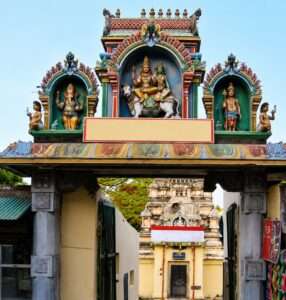
Virupaksheeswarar Temple has been an important center of Shaivite worship for many centuries. Numerous inscriptions record donations made by kings, merchants, and devotees for maintaining lamps, conducting daily rituals, and supporting temple activities. These inscriptions provide valuable insights into the religious and social life of medieval Mylapore.
The temple forms an integral part of the sacred network of seven ancient Shiva temples collectively known as the Sapta Sthana Sthalangal of Mylapore, which have played a significant role in preserving the region’s spiritual heritage.
According to temple tradition, the great Shaivite saint Sundaramoorthy Nayanar (Sundarar) visited this sacred shrine during his pilgrimage through the Shiva temples of Mylapore. Filled with devotion, he worshipped Lord Virupaksheeswarar and prayed for the divine blessing of witnessing Lord Shiva’s cosmic dance.
Pleased with the saint’s unwavering devotion, Lord Shiva appeared before him in the form of Nataraja and performed the sacred Ananda Tandavam, the cosmic dance that represents creation, preservation, dissolution, concealment, and divine grace. This divine vision is regarded as the principal sthala purana of the temple and is one of the reasons the shrine holds a special place among devotees of Lord Shiva.
The name Virupaksheeswarar itself is deeply symbolic. It refers to Lord Shiva’s divine third eye, which represents higher knowledge and spiritual awakening. Devotees believe that sincere worship at this temple helps remove ignorance, grants clarity of thought, and guides one toward spiritual progress.
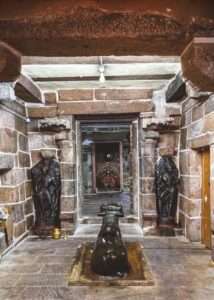
Temple tradition also states that Kutsa Maharishi (Kutsa Rishi) worshipped Lord Shiva at this sacred shrine and received divine blessings. Because of this association, the temple is regarded as a powerful place for spiritual growth, wisdom, and removal of karmic obstacles. Devotees believe that worshipping Lord Virupaksheeswarar helps remove confusion, grants clarity of mind, and brings divine guidance through the grace of Shiva’s sacred third eye.
Another local tradition associated with the temple connects it with Sivanesa Chettiar, the father of the famous devotee Poompavai. Some temple traditions state that Sivanesa Chettiar was involved in the construction or patronage of this shrine. However, the well-known Poompavai episode itself is primarily associated with the broader sacred traditions of Mylapore and Thirugnana Sambandar rather than being the central sthala purana of this temple. Therefore, it is generally treated as a connected local tradition rather than the main legend of the shrine.
Virupaksheeswarar Temple is one among the revered Sapta Sthana Shiva Temples of Mylapore:
Karaneeswarar Temple, Theerthapaleeswarar Temple, Velleeswarar Temple, Virupaksheeswarar Temple, Valeeswarar Temple, Malleeswarar Temple, Kapaleeswarar Temple*
According to local belief, devotees who worship all seven temples in a single day receive special blessings and spiritual merit. The seven temples are also traditionally associated with the Navagrahas and Sapta Rishis. Worship at Virupaksheeswarar Temple is believed to grant spiritual strength, remove negativity, and bless devotees with wisdom and fulfillment of
The temple is especially revered by devotees seeking spiritual wisdom, the removal of karmic obstacles, mental peace, and divine guidance. The presence of Sivagangai Theertham further enhances the temple’s sanctity, and many devotees consider its waters sacred and spiritually purifying.
Maha Shivaratri is the most important festival celebrated in the temple. Special abhishekams, alankarams, bhajans, and night-long worship are conducted, drawing large numbers of devotees.
Pradosham, observed twice every month, is celebrated with special rituals dedicated to Lord Shiva and Nandi. Devotees believe that worship during Pradosham helps remove sins and obstacles.
Arudra Darshan holds particular significance because of the temple’s association with Lord Nataraja and the divine vision granted to Sundarar. Special ceremonies are performed to honor Shiva’s cosmic dance.
Other important festivals celebrated here include Karthigai Deepam, Aippasi Annabhishekam, Navaratri, *Thai Poosam, monthly Pournami worship, and special observances for Kala Bhairava. These festivals preserve the temple’s rich spiritual traditions and continue to attract devotees from across Chennai and beyond.


