



The Supreme Court’s concern for ordinary commuters is understandable. But when the country’s highest court questions preventive security measures ahead of a potentially volatile protest, it must also acknowledge the difficult responsibility of the authorities tasked with preventing violence, protecting public institutions and maintaining law and order. Judicial scrutiny is essential; so is consistency in applying it.
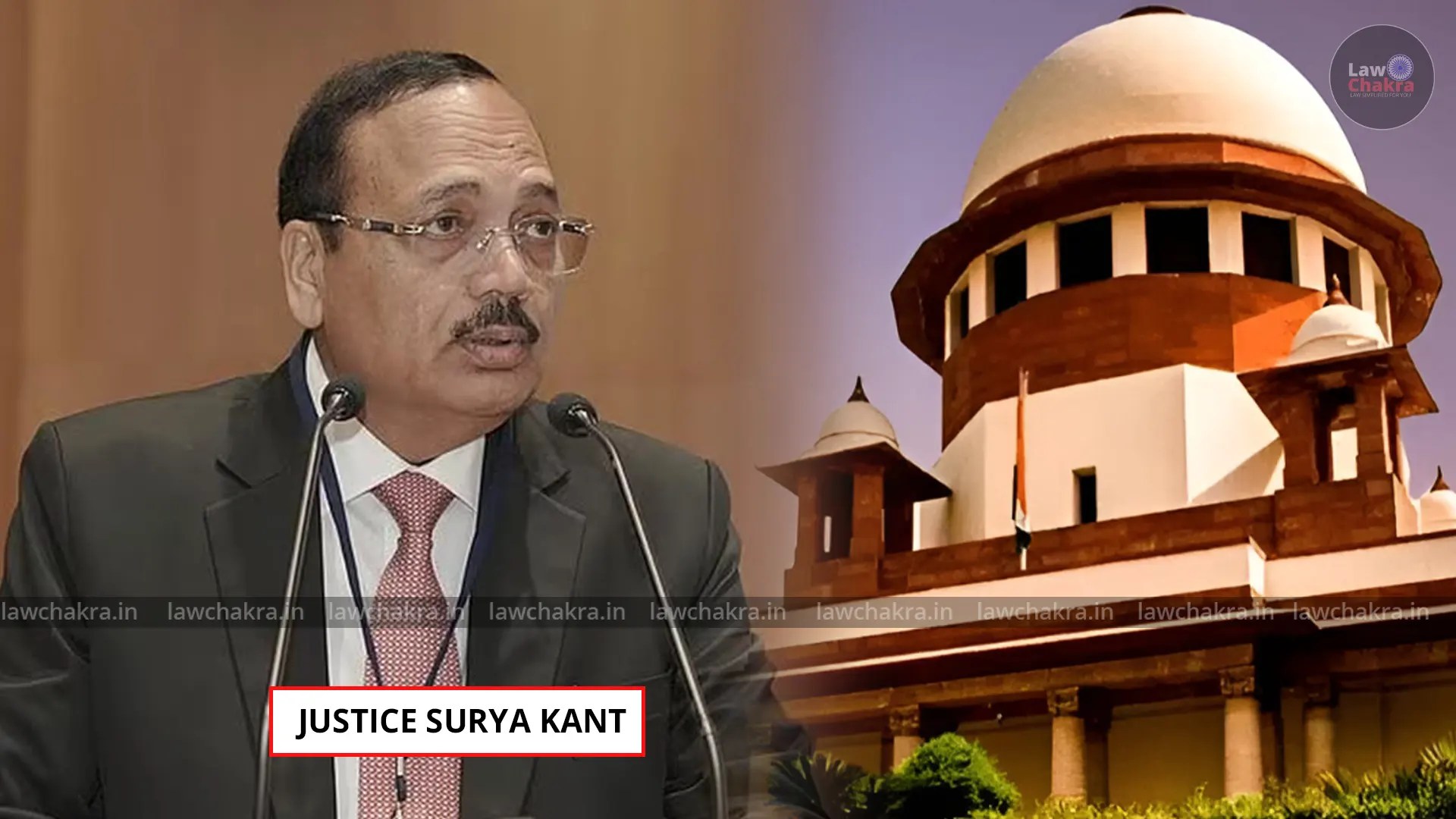
The controversy over the proposed closure of 57 Delhi Metro stations and cancellation of trains ahead of the October 10 protest called by the Cockroach Janta Party (CJP) raises precisely this question. Chief Justice of India Surya Kant’s observation that the government cannot use a “hammer to kill a fly” may sound persuasive. But is it sufficient to dismiss the security concerns that prompted the restrictions, particularly when the police had denied permission for the proposed demonstration?
The Supreme Court itself reportedly noted that an unauthorised protest would not be in accordance with the law. If so, should the primary focus not also be on ensuring compliance with the law, rather than concentrating predominantly on the inconvenience caused by preventive measures? The Court asked the authorities to regulate movement instead of imposing a complete shutdown. That is a legitimate judicial concern, but it does not automatically establish that the security assessment underlying the restrictions was unreasonable.
The real issue is proportionality, not rhetoric. Nobody can reasonably demand that public transport be paralysed without sufficient justification. Equally, nobody should expect the police to wait for violence to erupt before taking precautionary action. Preventive policing is intended precisely to avert a crisis, not merely to respond after public property has been damaged, personnel attacked or crowds become uncontrollable.
The government and police must explain the intelligence and operational considerations behind their decisions. But the Court, too, should recognise that it is easier to question a precaution from the courtroom than to manage thousands of potentially unruly demonstrators on the streets. If restrictions are excessive, they should be corrected. If they are based on credible risks, they deserve serious consideration.
There is also a larger question of consistency that the judiciary cannot simply wish away. During earlier CJP-led demonstrations, the Supreme Court exercised its extraordinary powers under Article 142 to quash FIRs against participating students following applications by the authorities. Whatever the legal merits of that decision, the public is entitled to ask whether the Court has adequately balanced the rights of protesters against the need to deter violence and protect public order.
Likewise, allegations of attacks on police personnel, threats against constitutional authorities and intimidation of public institutions deserve impartial investigation wherever credible evidence exists. Whether the alleged offenders belong to the ruling establishment or the Opposition, the same standards of accountability must apply. A uniformed woman officer performing her duty deserves the same protection and dignity as any other citizen. Any substantiated misconduct against her should be examined without political favour or prejudice.
Threats that the country will be set ablaze unless a particular constitutional authority is removed cannot be dismissed as harmless political theatrics. Nor should threats allegedly issued in or around judicial proceedings be treated casually. If such statements have been made, they must be assessed in their proper context and dealt with under the law where warranted. The judiciary’s institutional authority cannot be separated from its responsibility to uphold the rule of law consistently.
This is not an argument for granting the government unlimited powers, nor for denying citizens their constitutional right to peaceful protest. It is an argument against allowing political mobilisation to become a licence for intimidation, disorder or coercion. The right to protest does not confer an automatic right to disregard lawful restrictions.
The Supreme Court is not above scrutiny merely because it occupies the highest judicial position in the country. Respect for the judiciary does not require citizens to remain silent when they believe its observations or interventions warrant examination. Indeed, public confidence is strengthened when difficult questions can be raised without being mistaken for contempt.
The Home Ministry and Delhi Police have a duty to protect citizens, public infrastructure and every constitutional institution, including the Supreme Court itself. They must be held accountable for disproportionate action, but they should not be discouraged from taking reasonable precautions against credible threats.
The apex court must safeguard liberty without overlooking security. Its interventions should inspire confidence that the law applies equally to everyone, irrespective of political affiliation or public prominence. That is the standard citizens are entitled to expect—and the standard the judiciary must be prepared to defend.


