New Delhi: Delhi government’s EV policy will help accelerate adoption of electric vehicles among everyday commuters, reduce vehicular emissions while strengthening the sector’s infrastructure, according to industry chambers.
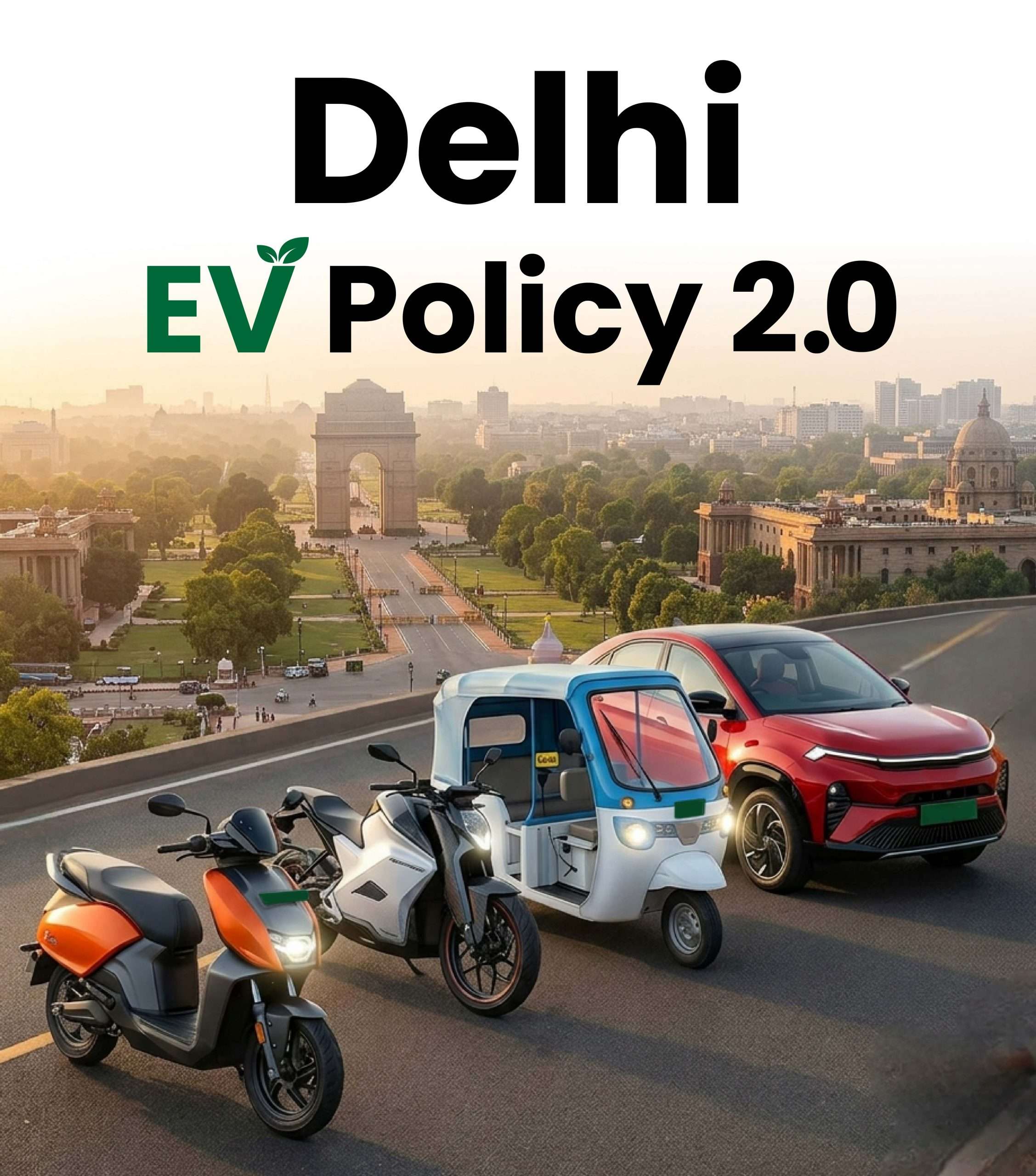
All electric cars with an ex-showroom price of Rs 30 lakh or less registered in the national capital will be granted 100 per cent exemption on road tax and registration fees, as the Delhi government approved a new EV policy on Monday.
Under the new policy, people buying e-two-wheelers will get a subsidy of Rs 30,000 in the first year, Rs 20,000 in the second year and Rs 10,000 in the third year.
The policy also provides a purchase incentive of up to Rs 1 lakh for buyers of N1-category electric trucks and a scrapping incentive of Rs 1 lakh for owners of BS-IV or older four-wheelers who scrap their vehicles and switch to electric alternatives. Officials clarified that no subsidy will be available for hybrid vehicles, with the policy focusing exclusively on zero-emission vehicles.
As part of the transition plan, only electric autorickshaws will be registered in Delhi from January 1, 2027. Registration of new petrol and CNG-powered two-wheelers will be phased out, with only electric two-wheelers to be registered from April 1, 2028.
Announcing the Cabinet decision, CM Gupta said the policy was aimed at making Delhi a pollution-free city through a phased transition to electric mobility.
“This is truly a historic day. We aim to implement the Delhi EV Policy from July 1. Following the Lieutenant Governor’s approval, the policy will remain in effect until March 31, 2030,” she said.
The Chief Minister said the government expects benefits and investments worth around Rs 15,000 crore under the policy over the next four years. Of this, about Rs 7,000 crore will be spent on incentives, while another Rs 8,000 crore has been earmarked for EV infrastructure development and tax concessions.
To support the transition, the Delhi government has set a target of installing 32,000 charging points across the city and has already identified land for the required infrastructure. A dedicated online portal will also be developed for applications related to EV incentives.
Gupta said the policy covers two-wheelers, three-wheelers, four-wheelers, N1 trucks (light commercial vehicles designed for transporting goods with a maximum gross vehicle weight not exceeding 3,500 kg) and Gramin Seva vehicles, and has been designed without any cap on the number of vehicles eligible for incentives.