From the silver screen to the rough terrain of electoral politics, the journey is never easy. Cinema and politics may appear similar from a distance because both deal with crowds, emotions and public adulation, but in reality they are worlds apart. In cinema, a hero fights scripted villains, delivers punch dialogues and emerges victorious within three hours. In politics, however, there are no retakes, no background music and certainly no guaranteed climax.
Many film stars have attempted this transition. Only a few have succeeded in becoming enduring political leaders. Tamil Nadu itself has witnessed towering personalities such as M. G. Ramachandran, J. Jayalalithaa and M. Karunanidhi, who mastered the art of converting popularity into political permanence. Their success was not merely because they were stars, but because they understood the pulse of the people and built political narratives larger than personal image.
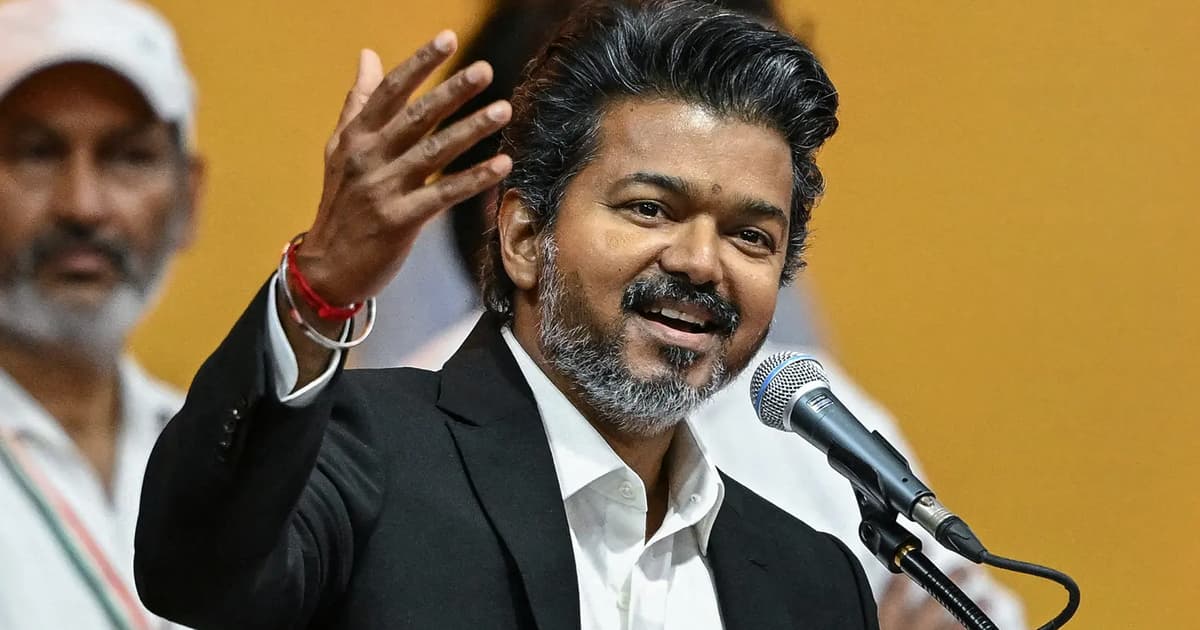
Now, young Joseph Vijay has entered the arena with enormous expectations riding on his shoulders. His entry has generated excitement, particularly among Gen Z and urban youth who are desperate for an alternative to the entrenched Dravidian political structure. But excitement alone does not build a movement. Sustained credibility does.
Tamil Nadu’s political landscape remains deeply shaped by the Dravidian model that has dominated the State for decades through parties like M. K. Stalin’s DMK and the AIADMK tradition that survived long after Jayalalithaa. These parties may have suffered setbacks and criticism, but writing their political obituary would be premature. They possess deep organisational roots and social equations built over generations.
If Vijay truly wishes to emerge as a transformative force rather than merely a temporary sensation, his Tamilaga Vettri Kazhagam (TVK) must tread carefully. The biggest challenge before him is not attracting crowds, but convincing every section of society that he belongs equally to all of them.
That is where balance becomes critical.
In a diverse and plural democracy like India, no leader can aspire for long-term success by appearing aligned with one particular religious or social bloc. Politics rooted excessively in identity eventually creates suspicion among others. Tamil Nadu has historically taken pride in coexistence, cultural confidence and social harmony. Vijay would do well to preserve that legacy rather than deepen divisions.
As a senior journalist who has watched Indian politics for nearly six decades, I believe Vijay has an opportunity to redefine regional politics through a language of inclusive nationalism. He need not imitate Narendra Modi or blindly oppose him. Instead, he should create his own political vocabulary — one that assures people there will be “intolerance against none” and equal justice for all.
A mature leader does not selectively condemn hatred. He acts firmly against anyone who promotes communal tensions, irrespective of religion or political affiliation. That consistency alone earns public trust.
Faith is deeply personal. Every community has the right to practise and preserve its traditions. But political mobilisation around religion often turns combustible in a democracy as diverse as ours. Vijay should therefore champion mutual respect rather than competitive victimhood. Tamil society has always celebrated spirituality alongside social modernity. That balance must not be disturbed.
One potentially transformative reform could be the creation of transparent and autonomous management systems for the majority community temples, while ensuring public accountability through multi-party oversight committees. Minority institutions already enjoy substantial administrative independence. A fair and transparent framework for Hindu religious institutions, without political interference or misuse, could become a bold governance reform if approached with sincerity and constitutional sensitivity.
Such a move, if executed carefully and without rhetoric, could elevate Vijay from actor-politician to statesman. More importantly, it would demonstrate that governance is not about symbolism alone, but about institutional fairness.
Vijay today stands at a historic crossroads. Tamil Nadu’s youth see in him energy, honesty and the possibility of generational change. But charisma can open the door only once. It is wisdom, restraint, and inclusiveness that keep a leader relevant for decades.
Tamil Nadu has always been proud of its language, culture, and civilisational values. If Vijay can rise above narrow identity politics and project himself as a leader for every Tamilian — irrespective of caste, creed or faith — TVK may truly become a force capable of reshaping the State’s future.