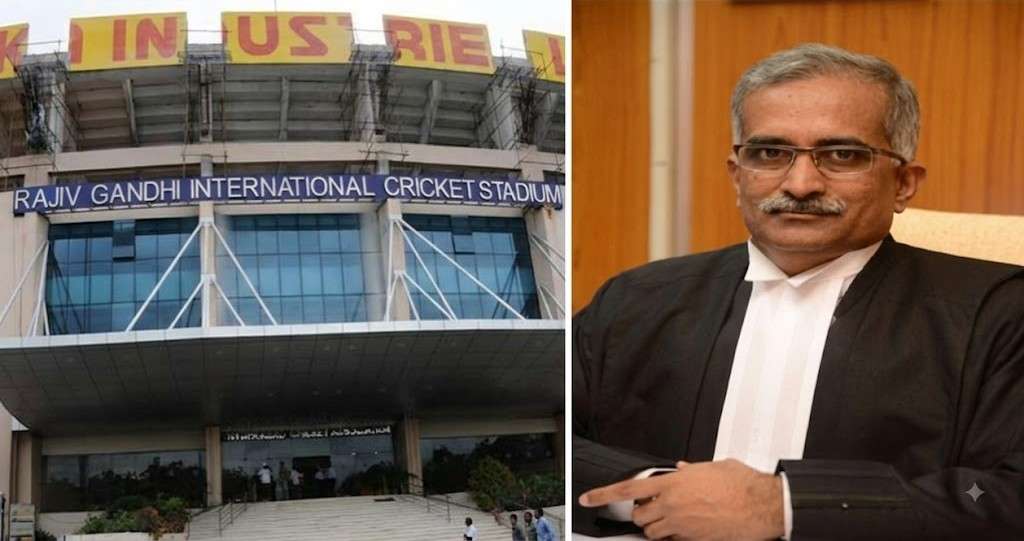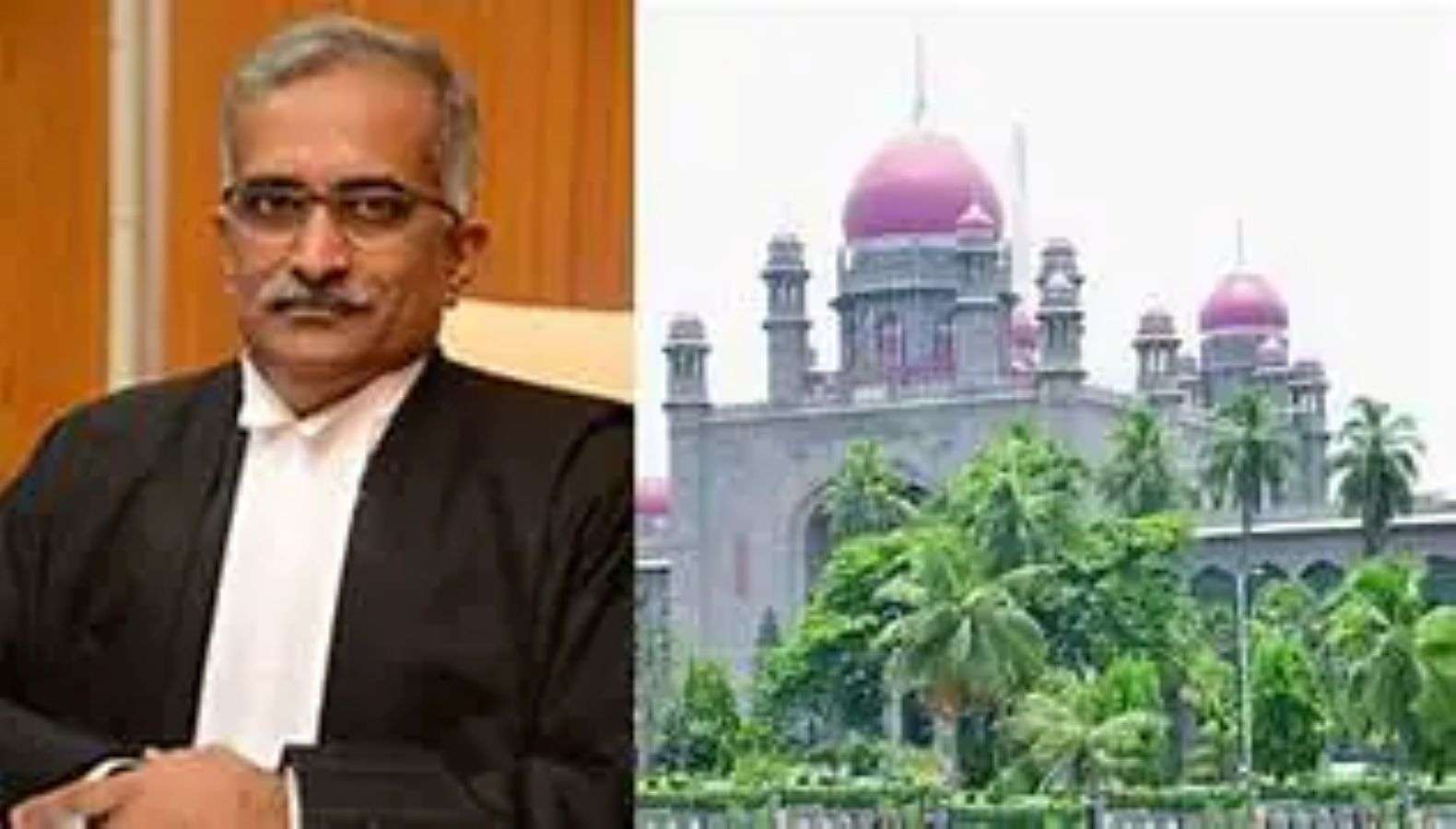
The Hyderabad Cricket Association (HCA) has, unfortunately, become no stranger to controversies over the years. From allegations of administrative lapses and governance issues to prolonged legal battles and factional disputes, the Association has often found itself in the spotlight for reasons unrelated to cricket. The appointment of a Single Member Committee (SMC) headed by Justice (Retd.) P. Naveen Rao by the Telangana High Court was intended to restore transparency, accountability and confidence in the administration of the Association. However, even under judicial supervision, differing stakeholders continue to raise questions regarding compliance with the HCA’s Memorandum of Association and Rules & Regulations.
OrangeNews9 believes that every stakeholder in Hyderabad cricket has a right to be heard. Equally, every allegation deserves a fair opportunity for rebuttal. It is neither our role to act as judge nor to endorse any particular faction within the HCA ecosystem. Presented below are the allegations made before the BCCI by Anil Kumar, who identifies himself as “VoiceofHCA”, and the response received from persons familiar with the functioning of the Single Member Committee. Readers may draw their own conclusions while awaiting any official response or findings from the BCCI or the concerned authorities. – EDITOR.
Special Correspondent
The Hyderabad Cricket Association is once again witnessing a fresh round of governance-related questions, with a representation being submitted to the Board of Control for Cricket in India (BCCI) seeking an independent inquiry into the functioning of the HCA and its court-appointed Single Member Committee headed by Justice (Retd.) P. Naveen Rao.
The complainant, Anil Kumar, who identifies himself as “VoiceofHCA”, has alleged non-compliance with certain provisions of the HCA Rules relating to transparency, appointments and conflict of interest.
What are the allegations?
The complaint primarily revolves around four areas:
Transparency Under Rule 37
The complainant alleges that Rule 37(2) of the HCA Rules mandates publication of:
- Composition of various committees, including the TG20 Governing Council.
- Quarterly reports.
- Financial outlays and expenditure statements.
- Dedicated transparency-related disclosures on the official HCA website.
According to the representation, such disclosures are either unavailable or have not been published in the prescribed manner.
The complaint further invokes Rule 37(7), which requires publication of notices relating to tenders, procurement processes and contractual arrangements.
The complainant has requested the BCCI to examine whether all procedures connected with the TG20 tournament have complied with these transparency provisions.
Selection Committee appointments
The representation questions whether certain members appointed to the Men’s Selection Committee satisfy the eligibility criteria prescribed under Rule 26 of the HCA Rules.
Rule 26 reportedly stipulates that members of the Selection Committee should have retired from competitive cricket for at least five years.
The complaint specifically names Akshit Reddy and Mehdi Hassan and seeks an examination of their eligibility, if they indeed participated in competitive cricket during the 2022-23 season.
Conflict of Interest issues
The complaint also seeks scrutiny of the appointments and disclosures made by certain individuals holding positions within the HCA framework.
Invoking Rule 38, which deals with ‘conflict of interest’ disclosures, the representation requests the BCCI to verify whether all mandatory declarations have been submitted and appropriately published.
Functioning of the Single Member Committee
Finally, the complainant alleges that the Single Member Committee has failed to ensure strict adherence to the HCA Rules despite being entrusted by the Telangana High Court with the responsibility of restoring transparency and accountability.
The complainant has requested the BCCI to:
- Conduct an independent inquiry.
- Examine compliance with Rules 26, 37 and 38.
- Direct publication of mandatory disclosures.
- Take corrective action if violations are established.
The counter view
However, persons familiar with the functioning of the Single Member Committee have strongly disputed both the tenor and substance of the complaint.
One senior cricket administrator and cricket enthusiast closely tracking developments within the HCA described the representation as “more accusatory than evidentiary.”
According to him, while governance-related questions are always welcome in a sports body, allegations must necessarily be backed by specific material.
The response raises several counter-points:
- The complaint repeatedly uses phrases such as “it appears”, “it is understood” and “if found to be correct”, suggesting that several allegations are not based on verified facts.
- Individuals have been named under conflict of interest provisions without any specific instances or documentary evidence being cited.
- The allegations of corruption, favouritism and abuse of authority have been made without accompanying allegations of financial misconduct or diversion of funds.
- Multiple constitutional and institutional authorities have been marked copies of the complaint despite the absence of supporting material.
- BCCI’s jurisdiction — BCCI has consistently told courts it doesn’t regulate internal affairs of State Associations. Worth noting this complaint asks BCCI to inquire into a body already under Telangana High Court supervision — a jurisdictional mismatch.
- Locus standi — “VoiceofHCA” discloses no affiliation with HCA (not a club, player, or office-bearer). Worth asking whether an unaffiliated, pseudonymous complainant has standing to demand a BCCI inquiry.
- Anonymous complaints as policy — If every unverified, purpose-created-email complaint triggered a formal inquiry, it would invite misuse and paralyze functioning committees. Worth distinguishing “noting a valid disclosure gap” from “warranting an inquiry into a sitting judicial officer’s committee.”
- Timing — TG20 concluded successfully on 12.07.2026; the complaint followed days later. Worth flagging that raising transparency objections after a successful tournament, rather than during it, undercuts the stated “restoring transparency” purpose.
- Sub judice angle — The SMC operates under direct Telangana HC supervision (W.P. No. 24904/2025). A parallel BCCI complaint on the same body’s conduct could be seen as forum-shopping rather than a genuine grievance.

The counter-view, however, concedes that the transparency-related disclosures under Rule 37 deserve examination and that if any mandatory disclosures are pending, they ought to be placed in the public domain in the interest of good governance,
The larger issue: Governance matters more than factions
The latest controversy once again underlines a larger and more important issue confronting Hyderabad cricket.
The HCA has witnessed numerous administrative controversies over the past decade, leading to judicial intervention and repeated calls for structural reforms. Whether complaints are raised by critics of the administration or defended by its supporters, transparency cannot become selective.
If the HCA Rules mandate disclosures relating to committee appointments, expenditures and conflict of interest declarations, compliance should not depend upon who raises the question. Equally, allegations of corruption or misconduct cannot be casually levelled without supporting evidence.
Good governance in sports administration requires both transparency and responsibility.
Stakeholders are entitled to ask questions. Administrators are entitled to a fair opportunity to answer them.
The present representation before the BCCI appears to have opened yet another chapter in Hyderabad cricket’s continuing struggle to balance accountability with institutional stability.
Until the BCCI or any competent authority examines the allegations and submissions in accordance with law and the applicable rules, all claims and counter-claims must remain precisely that—claims and counter-claims.
For Hyderabad cricket, which has produced some of India’s finest cricketers and administrators, the ultimate winners of any governance debate should be transparency, credibility and the game itself—not any particular faction.