Sarojini Devi
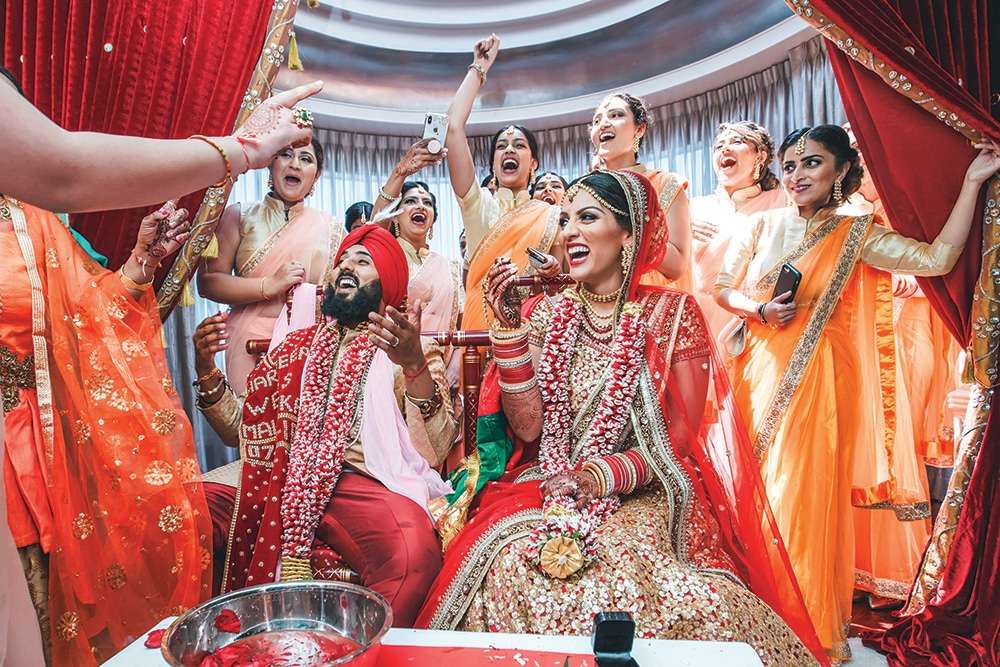
For generations, an Indian wedding has been a celebration of two families coming together. It was about rituals, traditions, blessings, and memories that lived on in family albums and stories passed down over dinner tables. Today, those memories are just as likely to be viewed on Instagram Reels within hours of the ceremony as they are in a traditional wedding album.
The Indian wedding has undergone a remarkable transformation. It is no longer merely a social institution or a cultural milestone. It has evolved into one of the country’s largest economic engines, supporting millions of livelihoods while reflecting the aspirations of a young, consumption-driven India.
The numbers are staggering. India hosts nearly 10 million weddings every year, making it arguably the world’s largest wedding market. Valued at around $130 billion annually, the wedding industry has grown into the country’s fourth-largest sector, larger than aviation and several traditional industries. With nearly 470 million Indians between the ages of 20 and 39, the momentum is unlikely to slow anytime soon. Demographics alone suggest that India will continue witnessing over 10 million weddings annually for at least the next decade.
What makes this boom particularly fascinating is not merely the number of weddings but the ecosystem that has sprung up around them.
A decade ago, a wedding typically involved a banquet hall, caterer, photographer, florist and perhaps a wedding planner. Today’s average Indian couple hires around 14 different vendors, and that list keeps growing.
Among the newest entrants is the “wedding content creator” — a profession that barely existed five years ago. These specialists do not replace photographers; they create instant, social media-friendly content, shooting behind-the-scenes moments, editing same-day Instagram Reels and ensuring that the wedding trends online before the celebrations are even over. Premium creators today command anywhere between Rs 1 lakh and Rs 3 lakh a day. Add drone operators, cinematic videographers, reel editors, digital invitation designers and social media managers, and the modern Indian wedding resembles a professional production studio more than a traditional family event.
Behind this glamorous facade lies one of India’s largest informal employment generators. The wedding economy provides full-time work to nearly one crore people and seasonal employment to another two crore. Decorators, caterers, makeup artists, musicians, florists, transport operators, jewellers, tailors, designers, hospitality workers and countless small entrepreneurs find their livelihoods tied to the wedding season.

In many ways, India’s biggest gig economy does not revolve around food delivery or ride-hailing apps. It revolves around “shaadi.”
Perhaps the most striking change is the growing influence of social media. Weddings today are no longer private family occasions; they are increasingly public performances. Every carefully choreographed dance, every designer outfit, every exotic venue and every elaborate decoration is expected to generate digital engagement.
Some brides now launch dedicated wedding pages that attract tens of thousands of followers. For a few, the wedding itself becomes the first chapter of a successful career as a lifestyle or fashion influencer. Marriage, in these cases, is not merely a personal milestone but the launchpad for a personal brand.
This shift also explains why content creation has emerged as the fastest-growing and fastest-appreciating segment of wedding expenditure.
Destination weddings further underline this transformation. Whether in Rajasthan’s palaces, Goa’s beaches or Kerala’s backwaters, families are increasingly willing to fly guests across the country for curated experiences. This segment is expanding at nearly 22 per cent annually, reflecting rising disposable incomes and a growing appetite for experiential celebrations.
Yet, despite its enormous size, the industry remains remarkably fragmented. Nearly three-fourths of vendor bookings still happen through family references, neighbourhood recommendations and personal networks rather than organised digital platforms. This leaves tremendous room for formalisation, technology and innovation.
Jewellery continues to account for a substantial share of wedding spending, reaffirming India’s enduring cultural preference for gold as both ornament and investment. Hospitality, fashion, travel, beauty, entertainment and retail all receive a significant boost from the wedding economy, making marriages an important driver of domestic consumption.
Critics often point out that Indian families sometimes spend more on a single wedding than on nearly two decades of a child’s education. The pressure to create an “Instagram-worthy” celebration has only intensified these expectations. While questions about financial prudence remain valid, there is another side to this story. Every wedding sustains hundreds of businesses, supports artisans, fuels tourism, generates employment and keeps money circulating across the economy.
The Indian wedding, therefore, is no longer just about tying the knot. It has become a powerful economic event where tradition meets technology, culture meets commerce and rituals meet algorithms. In a country increasingly driven by aspirations and consumption, the humble “shaadi” has quietly become one of India’s most resilient growth stories—one celebration at a time.