Upadhyayula Lakshman Rao
The sage Kakṣīvanta, standing in the luminous lineage of the Angirasas, raises his voice in the solemn cadence of Trishtup metre, invoking Indra, the mighty guardian of existence and sustainer of human life. In this sacred hymn, Indra is not merely praised as a deity of strength but revered as the conscious force that harmonizes the cosmic and terrestrial realms. The sage declares with clarity that Indra listens unfailingly to the sincere prayers of the devoted, and that even those dwelling in opulence and grandeur ultimately seek refuge in his divine protection. Thus, Indra emerges as both the lord of the humble sacrificer and the unseen sovereign of the prosperous.
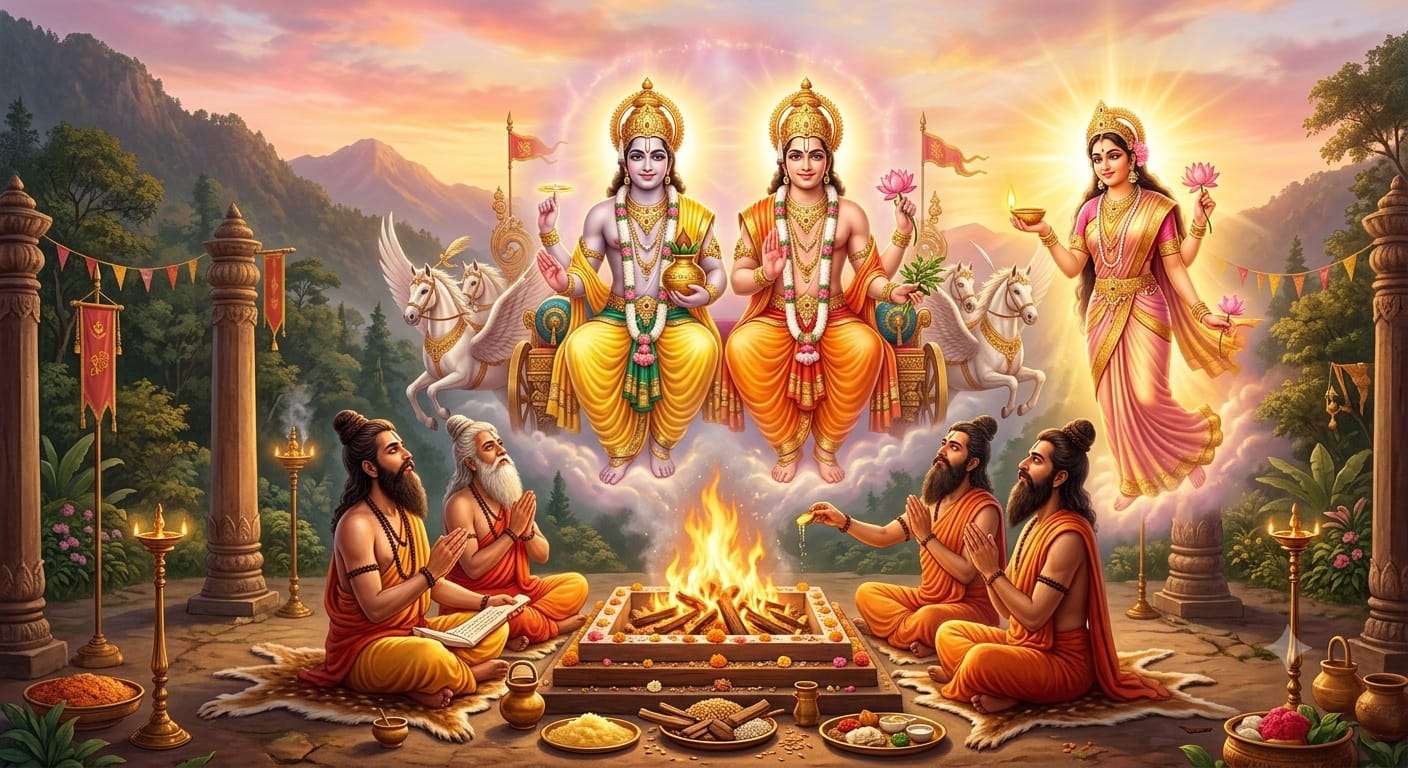
Indra is celebrated as the architect of a radiant and enduring cosmos, one who assumes the very form of the Sun, illuminating all worlds with inexhaustible brilliance. In this vision, he is both Surya and the force behind Surya, embodying the principle of energy transformation that sustains life. The hymn reflects an intuitive scientific temperament, recognizing the cyclic interplay between solar radiance and rainfall, for Indra, as the lord of rain, releases the life-nourishing waters that descend from the heavens. The imagery of releasing cows from hidden caves symbolizes the unveiling of nature’s concealed resources, much like the revelation of latent energies within the universe.
The Angirasas, as seekers of truth and custodians of sacred knowledge, place their trust in Indra’s benevolence, confident that he will bestow wealth, nourishment, and vitality. His act of fashioning the Vajra, the thunderbolt of unassailable power, signifies the harnessing of natural forces for the preservation of cosmic order. Forged by the divine craftsman Tvasta, this weapon becomes a symbol of disciplined energy directed against chaos and obstruction. With it, Indra subdues the forces of darkness and drought, ensuring the continuity of life and the stability of the heavens, which he upholds with unwavering strength.
The hymn vividly recounts Indra’s triumph over the demon Sushna, who, in the form of oppressive darkness and clouded obstruction, once enveloped the Sun and hindered the flow of life. With the decisive strike of the Vajra, Indra dispels this obscuration, restoring the Sun to its full effulgence and re-establishing the harmony between earth and sky. This narrative reflects an early understanding of natural phenomena, where storms, clouds, and sunlight are perceived not as random occurrences but as dynamic expressions of a unified cosmic intelligence.
Equally profound is the account of Indra’s conquest over Vritra, the all-encompassing force that withholds the waters. By releasing the rivers and allowing them to flow freely, Indra becomes the liberator of life itself. This act symbolizes the breaking of stagnation and the renewal of vitality, resonating with both ecological insight and spiritual liberation. The crossing of ninety rivers and the swift movement of his chariot evoke the boundless reach of natural forces and the गति of time and energy that pervade existence.
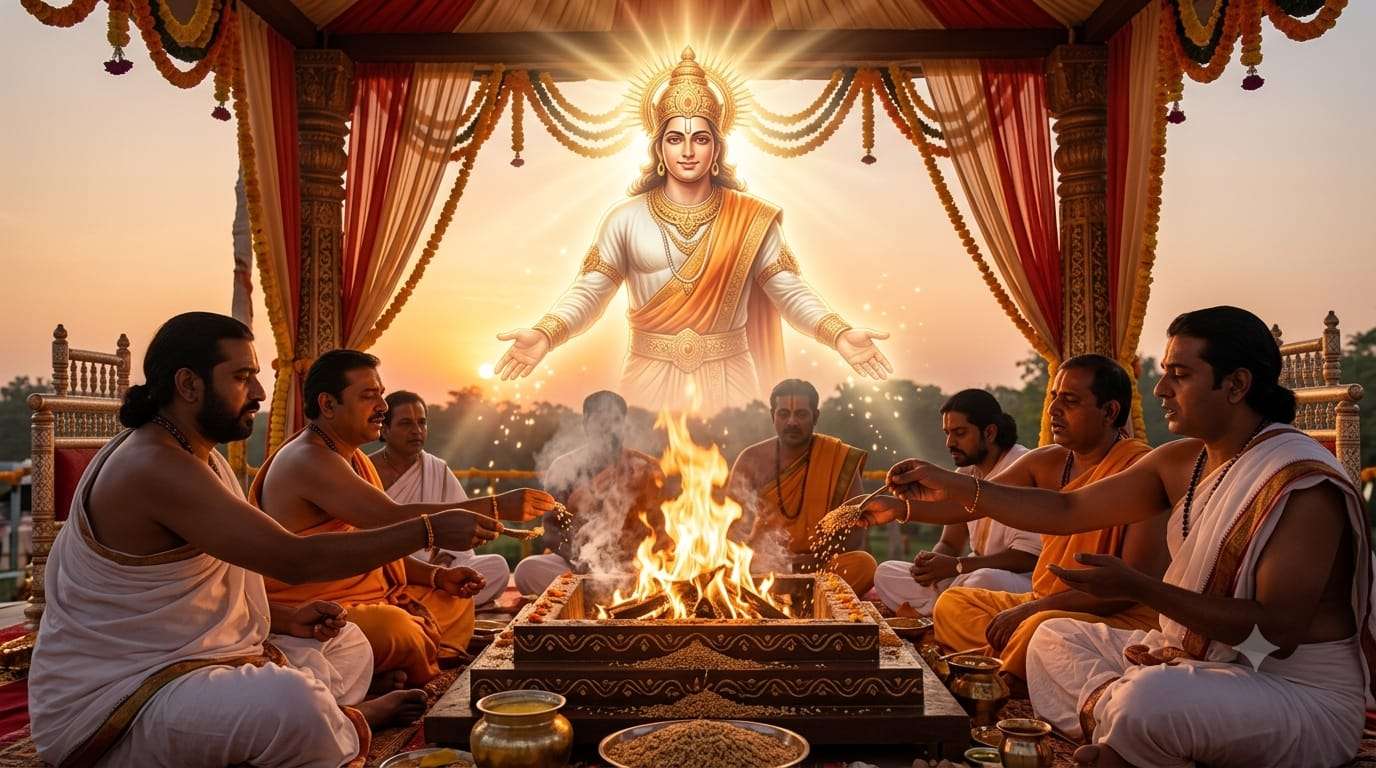
The ritual dimension of the hymn reveals the intimate connection between human action and cosmic response. The Soma, pressed and offered through the sacred fire by wooden implements, represents the transformation of matter into subtle energy. When Indra partakes of this offering, it signifies the alignment of human intention with divine forces, resulting in harmony, prosperity, and joy. Even the imagery of Indra’s horses, Hari, partaking of the remaining Soma, reflects the cyclical sharing of energy within the cosmic order.
Indra is portrayed as ever-vigilant, swift as the wind, and radiant in beauty and vitality. He is invoked to destroy those who unjustly seize wealth and to protect the righteous from the turmoil of conflict born of ignorance and sin. The sage’s prayer extends beyond material prosperity, seeking liberation from suffering, the attainment of joy, and the preservation of truth. Indra’s presence at dawn, shining like the Sun and illuminating Usha, signifies the awakening of consciousness and the renewal of hope with each passing day.
In its concluding aspiration, the hymn reflects a deeply human yearning for continuity, abundance, and well-being. The sage implores Indra not to diminish his grace but to bless the devotees with food, nourishment, cattle, and progeny, ensuring the flourishing of generations. Thus, the narrative transcends mere praise and becomes a philosophical meditation on the interplay of energy, morality, and devotion. Indra stands as the embodiment of dynamic balance—between light and darkness, restraint and release, power and compassion—guiding the world toward harmony and fulfillment.