

The Narendra Modi government’s decision to finally increase petrol and diesel prices after nearly four years was not merely inevitable — it was economically unavoidable. In fact, the bigger question is not why the government hiked fuel prices now, but how India managed to delay the burden for so long despite one of the worst global energy disruptions in recent history. India imports nearly 85 percent of its crude oil requirement. Unlike major oil-producing nations, New Delhi has little control over international crude prices. Once the war in West Asia spiralled into a prolonged geopolitical crisis and tensions around the Strait of Hormuz escalated, the writing was already on the wall. The Strait of Hormuz alone handles nearly 20 percent of the world’s oil shipments. Any instability there automatically shakes global fuel markets. Before the conflict, Brent crude hovered around 68–72 dollars per barrel. Within months, prices crossed 120 dollars per barrel in international markets. That represented an increase of almost 75 percent. No economy dependent on imports could indefinitely absorb such a massive shock without eventually passing some burden onto consumers. Yet, India delayed the hike for almost 30 weeks. That is the crucial fact conveniently ignored by the Opposition and professional critics. During previous governments, fuel price revisions were a routine affair. Monthly hikes, partial revisions and repeated tax increases were common administrative responses. In contrast, the Modi government absorbed enormous fiscal pressure for months to shield citizens from immediate inflationary shocks. The numbers expose the hypocrisy of the criticism. Countries across the world imposed far steeper fuel price increases during the same period. In the United Kingdom, petrol prices surged by nearly 25 percent during the peak of the energy crisis. Germany witnessed hikes between 20 and 30 percent despite being among Europe’s strongest economies. In Pakistan, fuel prices skyrocketed by more than 60 percent amid IMF pressure and currency collapse. Sri Lanka, struggling with bankruptcy and shortages, witnessed increases exceeding 80 percent at one stage. Bangladesh too raised fuel prices by nearly 50 percent in one of the steepest hikes in its history.
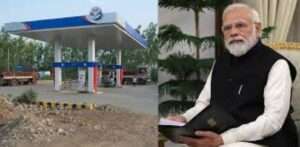
Against this backdrop, India’s increase of roughly 3 percent appears not only moderate but remarkably restrained. Critics also conveniently ignore another uncomfortable reality — despite global chaos, India never witnessed widespread fuel shortages. Long queues, rationing and panic buying became common in many countries. Several European economies entered recessionary territory due to energy costs. Yet India managed uninterrupted fuel supply, stable distribution networks, and strategic reserves sufficient for over a month. That did not happen automatically. The Modi government engaged in aggressive energy diplomacy, diversified procurement channels, increased Russian crude imports at discounted rates, and simultaneously ensured cargo movement despite mounting tensions in the Gulf region. While Western powers openly pressured countries over oil purchases, India prioritized national interest and domestic stability. Prime Minister Narendra Modi’s government clearly understood that sudden shocks could devastate the middle class, transport sector, and small businesses. Hence, the delay in price revision. Of course, concerns about inflation are legitimate. Fuel price hikes always trigger cascading effects on transport, food prices and consumer goods. Diesel especially impacts freight movement and agriculture. The common citizen will feel some pressure. But governance is about balancing realities, not indulging in populist fantasies. The state exchequer cannot endlessly subsidize global oil shocks without consequences. Welfare schemes, infrastructure projects, food subsidies, defence spending, and capital expenditure all require fiscal discipline. India today is investing heavily in highways, railways, ports, defence modernization, and digital infrastructure. Revenue from fuel taxation has been one of the pillars supporting this transformation. Even critics who demand tax cuts rarely explain where the compensatory revenue would come from. Borrowing endlessly is not economic wisdom; it is fiscal irresponsibility. The Opposition’s allegation that fuel pricing is politically timed may carry some weight in perception, but that does not alter the larger economic truth. The current hike is still among the lowest globally despite extraordinary international circumstances. India was never insulated from global markets. It only postponed the inevitable longer than most nations could. The harsh reality is simple: when crude prices rise nearly 75 percent globally, some domestic adjustment becomes unavoidable. The Modi government delayed it, minimized it, and managed the crisis far better than many richer economies. In that context, the present fuel hike is not exploitation. It is economic realism.