



MS Shanker
The political earthquake in West Bengal has clearly left the defeated establishment rattled. The reported unrest in parts of North Asansol following discussions over regulating loudspeaker decibel levels atop mosques is not merely a law-and-order issue; it is symptomatic of a deeper crisis that has haunted the state for years — the dangerous fusion of appeasement politics, administrative paralysis, and street-level intimidation masquerading as secularism.
For over a decade, the regime led by Mamata Banerjee perfected a model where political survival allegedly depended on cultivating fear, vote-bank dependency, and selective silence over radical elements. Every criticism of this ecosystem was routinely branded “communal,” even when ordinary citizens were merely demanding equal application of the law.
The incidents reported from Asansol once again expose the fragility of the state’s governance structure. If mere discussions on regulating sound pollution can allegedly trigger violent reactions against police personnel, then the real question is this: who empowered these elements to believe they are above the law?
The answer, critics argue, lies in years of reckless political patronage.
Successive reports and investigations over the years have repeatedly highlighted the alarming issue of illegal infiltration from Bangladesh and Myanmar into border districts of West Bengal. While migration itself is a sensitive humanitarian issue, the political exploitation of undocumented populations for electoral gain has long been a subject of national concern. The Opposition, particularly the Bharatiya Janata Party, consistently accused the Trinamool Congress of normalising illegal settlement patterns to create captive vote banks.
What made matters worse was the atmosphere of intimidation allegedly faced by large sections of Hindus in several districts. From post-poll violence allegations to repeated communal flashpoints, critics say West Bengal slowly drifted from being the land of cultural renaissance to becoming a laboratory of political coercion. The irony is painful. This is the same Bengal that gave India towering spiritual and intellectual giants like Rabindranath Tagore and Swami Vivekananda.
Instead of preserving that civilisational legacy, political opportunism reduced governance into a game of appeasement arithmetic.
The rise of Suvendu Adhikari and the BJP’s aggressive expansion in Bengal did not happen in a vacuum. It was a direct political response to years of accumulated anger among voters who believed the state machinery had stopped functioning impartially. Backed strongly by Narendra Modi and Amit Shah, the BJP succeeded in converting resentment into a mass political movement.
Much of that campaign drew inspiration from the governance model of Yogi Adityanath in Uttar Pradesh, where the administration projected a zero-tolerance stance toward rioting and organised criminality. Supporters of the “bulldozer model” argue that strict enforcement restored public confidence after years of gangster-politician nexuses. Critics may debate the methods, but politically, the message resonated deeply with voters frustrated by lawlessness.
That is precisely why many within the BJP now argue that mere electoral defeat for Mamata Banerjee is insufficient. They believe accountability must follow. If allegations of political violence, protection of radical elements, administrative complicity, and institutional misuse have substance, then due legal process must take its course without fear or hesitation.
This is not about vengeance. It is about whether Indian democracy possesses the courage to hold powerful leaders accountable when accusations of systemic abuse emerge.
For too long, Bengal’s political discourse has oscillated between fear and silence. The state deserves better. Its people deserve governance rooted in constitutional equality rather than selective favoritism. Most importantly, the law must cease to be a spectator.
Because if political excesses are ignored even after public rejection, then democracy itself risks becoming performative.
And if not now, when?
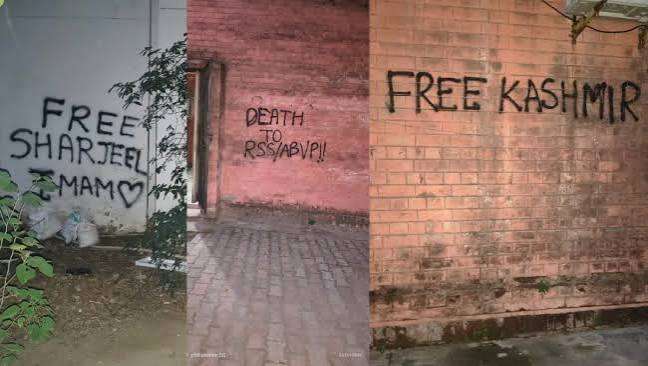



It’s now . Someone please emphasize the urgency to the CM.
I am not very optimistic about this. They may start action for public consumption but slowly it goes into freezer till such time the weak memory of people dilutes their determination to get her arrested for various misdeeds during her rule. And courts are always there to slow down the process. Without, prosecuting the present double engine government may use this for some political mileage if she wags her tale in future.