


Dr Sandhya Rani
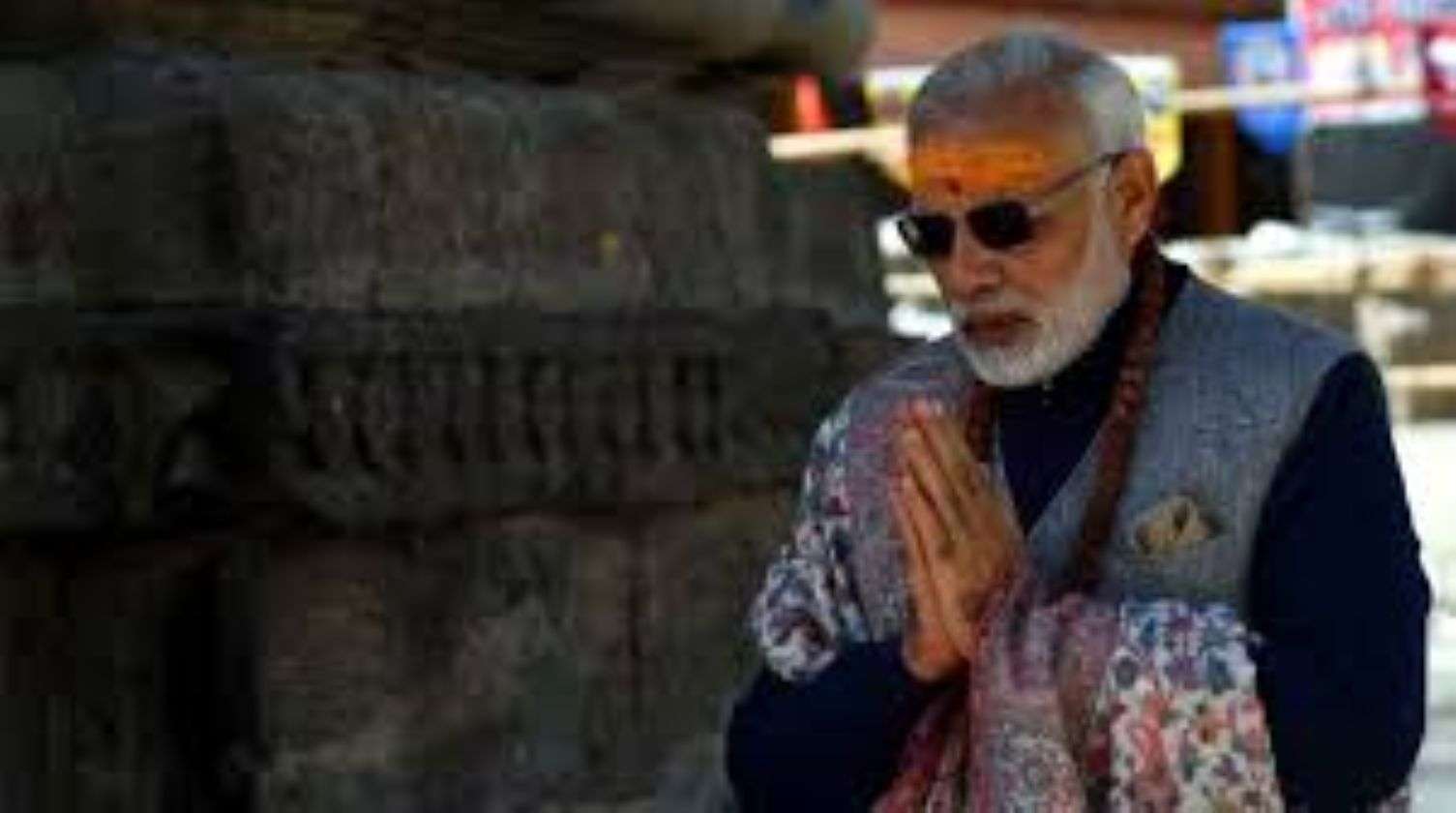
There was a time when political criticism in India revolved around ideology, governance, economics, national security, or public welfare. Today, however, some of Prime Minister Narendra Modi’s critics appear deeply traumatised not by policy, but by his sunglasses, shoes, kurtas, wristwatches, and even the teleprompter placed before him during speeches.
Apparently, in modern Indian political discourse, a Prime Minister looking presentable has become a constitutional crisis.
Every Tom, Dick, and Harry with a smartphone and a social media account now behaves like a self-appointed moral auditor of Modi’s wardrobe. A section of commentators — particularly the permanently outraged ecosystem that survives on anti-Modi outrage — seems less interested in India’s rise and more obsessed with whether the Prime Minister’s goggles are Italian, his kurta handwoven, or his footwear imported.
One genuinely wonders: is representing 140 crore Indians on the global stage supposed to resemble a backpacker travelling on a student discount?
I ask this not merely as a citizen, but also as an academician who understands symbolism in politics and diplomacy. Heads of government are not private citizens wandering through neighbourhood tea stalls. They represent nations. Their appearance, conduct, confidence, and presentation all contribute to perception — and perception matters in international relations.
When Modi walks into a G20 summit or bilateral meeting, he is not merely Narendra Modi the individual. He represents India — a civilisation-state, a rising economic power, and one of the world’s most influential democracies. If he chooses to wear elegant attire or quality accessories befitting that office, what exactly is the national tragedy here?
Curiously, the same intellectual circles that celebrate luxury lifestyles of Western leaders suddenly rediscover socialism the moment Modi wears a premium watch.
The hypocrisy is almost poetic.
Watch this: https://youtube.com/shorts/RuMW8KdpaZ8?si=oY_ASp3LP7xMPlPI
The outrage brigade also periodically suffers emotional breakdowns over teleprompters. Apparently, using technology during speeches is now evidence of incompetence. By that logic, almost every major world leader — including former US Presidents, European heads of state, corporate CEOs, and global diplomats — must also be frauds.
Teleprompters are standard tools used to maintain clarity, precision, timing, and diplomatic accuracy. In an age where a single verbal slip can trigger international headlines within seconds, serious leaders prefer discipline over improvisational comedy.
Unfortunately, improvisational comedy is precisely what parts of India’s Opposition have reduced themselves to.
Take Rahul Gandhi, for instance. Instead of emerging as a credible alternative vision for India, he often resembles a stand-up performer experimenting with punchlines before an unwilling audience. Parliament — the temple of Indian democracy — deserves rigorous debate, not theatrical gestures and linguistic gymnastics that routinely become internet memes within minutes.
And yet, Modi critics lecture the nation on seriousness.
Then comes the familiar accusation: “How can a leader who speaks of simplicity wear expensive things?”
This argument sounds emotionally satisfying until one applies basic logic. Does public service require performative poverty? Should India’s Prime Minister deliberately look shabby merely to satisfy the aesthetic fantasies of elite activists and YouTube commentators?
The irony is extraordinary. For decades, Indians were conditioned to accept leaders who projected helplessness, diffidence, and bureaucratic fatigue. Today, when India finally has a leader who carries himself with confidence, ambition, and global stature, critics mistake national self-assurance for vanity.
Modi’s appeal lies not merely in his clothing or presentation, but in the larger transformation many Indians associate with his leadership — infrastructure growth, digital expansion, welfare delivery, stronger geopolitical positioning, and a renewed civilisational confidence. His admirers do not see the sunglasses first; they see the symbolism behind them: an India no longer apologising for aspiring higher.
Frankly, I find this obsession with Modi’s accessories deeply revealing. It reflects not concern for public morality, but discomfort with his continued popularity. After all, despite relentless criticism for over a decade, Narendra Modi remains among the world’s most popular democratic leaders.
That is the real irritation.
Not the goggles.
Not the shoes.
Not the teleprompter.
Certainly not the kurta.
The deeper frustration is that the man whom India’s elite critics endlessly mocked continues to command mass affection across social classes, regions, and generations. And perhaps that explains why some critics now spend more time analysing his sunglasses than analysing India itself.



Any amount of criticism circling around a person of Global stature – PM Modi ji here in the context, doesn’t carry any “water” so long as the people surrounding him understand the purpose with which he is travelling under extreme conflict conditions that are prevailing.