


Tamil Nadu has always prided itself on being one of India’s better administered states – industrially productive, fiscally disciplined, and socially ahead of most others. That reputation now risks being placed on the auction block of competitive populism.
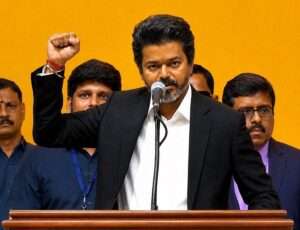
Tamil Nadu Chief Minister Joseph Vijay’s promise of six free gas cylinders for every household, 200 units of free electricity, cash doles, unemployment allowances, expanded subsidies and assorted giveaways may sound compassionate from the campaign stage. But governance begins where slogans end.
Fiscal roulette
Tamil Nadu’s annual revenue receipts are estimated at around Rs3.3 lakh crore. In simple terms, nearly one out of every three rupees earned by the state could disappear into welfare giveaways alone. That leaves less room for infrastructure, industry, irrigation, healthcare, education, and capital investment.
Preliminary estimates place the annual burden of these promises at nearly Rs1 lakh crore. That is not welfare. That is fiscal roulette.
The arithmetic is brutal. Free electricity alone could swallow close to Rs30,000 crore annually. Free LPG cylinders alone may cost another Rs 12,000 crore. Add monthly cash transfers, pensions, subsidies, and waivers, and the treasury begins to resemble a leaking tanker.
Governments do not manufacture money. Every ‘free’ promise is eventually paid for by someone – through higher taxes, mounting debt, cuts in infrastructure spending, or shrinking investment in health, roads and industry.
Tragedy of Tughlaqian economics
Tamil Nadu already carries one of the larger state debt burdens in India. If expenditure balloons while revenue growth slows, the state will soon find itself doing what many opposition-ruled states routinely accuse the Centre of forcing upon them – stretching out a begging bowl in New Delhi.
This is the tragedy of Tughlaqian economics. Announce extravagance today, celebrate applause tomorrow, and leave the bill for future generations.
Populism is easy. Fiscal responsibility is hard. The former wins elections. The latter keeps states solvent.


Don’t give a fish teach them how to catch a fish should be the basis of recognising competing parties at the election commission itself along with party symbols. Party manifesto should not be mistaken for chocolates and biscuits distribution. First of all priorities of candidates nominated and standing for elections is also ridiculous. Glamour and that too only film stars … why not other fields! Sports , Arts , Administrative experienced former bureaucrats..it’s difficult to be elected … again opportunists like Kejriwal are trusted! Infact as you rightly said “ Tughlaqian economics “ in the forefront and just imagine civil servants facing the brunt in their actual contribution to policy making. The gap between general laymen politician and expertise public servants is increasing .