



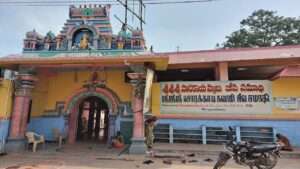
Sri Sorakayala Swamy Temple is located in Narayanavanam, near Puttur in Andhra Pradesh. It is about 35 km from Tirupati and lies close to the famous Kalyana Venkateswara Swamy Temple. The temple is easily accessible by road and is usually visited along with other temples in the Narayanavanam region, which is historically important in the Vaishnavite tradition.
The temple is dedicated to Sri Sorakayala Swamy, who is worshipped as a saint and divine being rather than a traditional deity like Shiva or Vishnu. The main focus of worship is his samadhi, and there is no classical idol in the sanctum. Devotees believe that the saint continues to bless people even today, especially those seeking relief from health issues, mental stress, and negative influences. These beliefs are based on strong local faith and personal experiences of devotees.
The temple has a simple ashram-style structure built around the sacred samadhi of the saint. There are no large gopurams or elaborate carvings, and the overall construction reflects the style of saint shrines rather than traditional temples. A continuously maintained dhuni, or sacred fire, is present within the temple premises and is considered spiritually powerful. The surroundings are calm and devotional, focusing more on faith and prayer than on architectural grandeur.
Historical information about the temple is mostly derived from local traditions and consistent references in available sources. It is believed that a wandering saint lived in this region during the late 19th to early 20th century, which places the present shrine at around 100–130 years old. There are no officially recorded inscriptions or archaeological proofs confirming the exact date, and much of the timeline is based on oral history passed down through generations.
The saint became known for helping people through simple herbal remedies and spiritual practices. His original name is not clearly documented, and after he attained samadhi at this place, devotees began worshipping him. Over time, the temple developed into a well-known spiritual center due to continuous faith and experiences shared by devotees.
According to local tradition, many years ago, a saint appeared in Narayanavanam and lived a very simple life among the villagers. He moved around like an ordinary person but gradually became known for helping people who were suffering from illnesses and other problems. He used natural remedies like neem leaves and turmeric and guided people through simple spiritual practices, which brought relief to many.
The saint was often seen carrying a bottle gourd in his hand, and because of this, people started calling him Sorakayala Swamy. Over time, villagers developed deep faith in him as they experienced improvements in their lives through his guidance. After his lifetime, he attained samadhi at this very place, and devotees continued to visit and pray there.
It is believed that his divine presence still exists in the temple and continues to bless devotees. Offering bottle gourds became a unique practice followed by devotees, who believe that such offerings help remove negative influences and fulfill their wishes. These beliefs are part of local spiritual tradition and are based on faith and experience rather than scriptural texts.
The most unique feature of this temple is the offering of bottle gourd, which is rarely seen in any other temple. Devotees either offer or tie bottle gourds as a symbol of their prayer and faith. The temple is also known for its sacred dhuni, whose ash is believed by devotees to have healing properties. Many people visit this temple seeking relief from health problems, mental stress, and negative energies, and the peaceful atmosphere adds to the spiritual experience.
There are no large-scale traditional temple festivals associated with this shrine, but special importance is given to Amavasya (New Moon) and Pournami (Full Moon) days. On these days, devotees gather in large numbers to offer prayers and seek blessings. Rituals performed during these occasions are simple and devotion-driven, reflecting the temple’s strong connection to local faith and spiritual practices.

