


MS Shanker
Indian politics rarely gives voters the luxury of clarity. Most elections are fought on emotion, identity, slogans, and carefully manufactured outrage. Governance usually enters the conversation only after the oath-taking ceremony — and often exits just as quickly. That is why the early signals emerging from two politically distinct corners of India — West Bengal and Tamil Nadu — deserve attention.
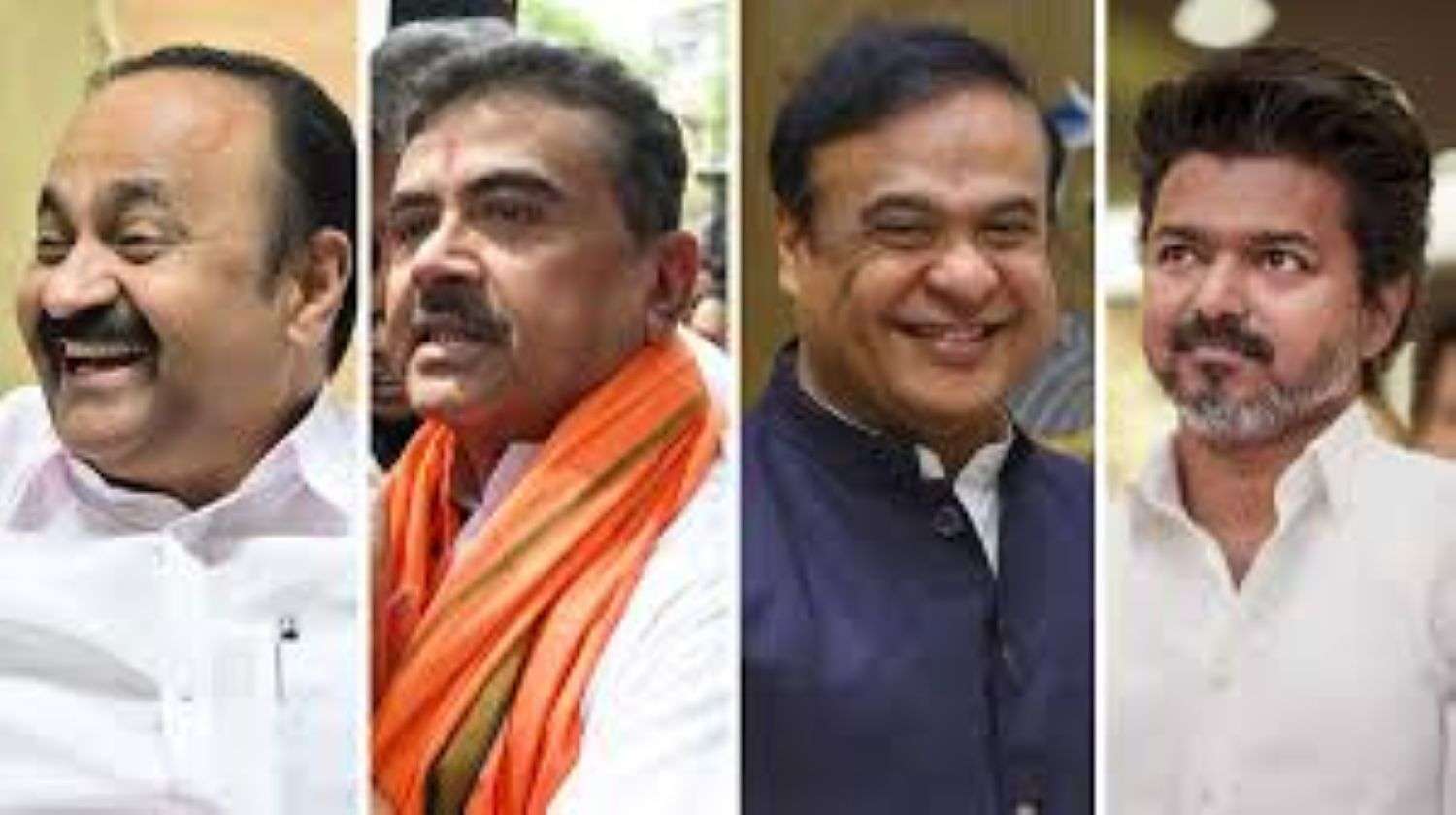
If the initial moves are anything to go by, both Suvendu Adhikari in West Bengal and Joseph Vijay in Tamil Nadu appear keen to project a message that governance, not theatrics, will define their administrations.
Suvendu’s first major administrative signal after assuming office was politically loaded and strategically sharp. By reportedly facilitating the allotment of land required for sealing the 127-km border with Bangladesh, the new West Bengal government has attempted to send a firm message on national security and illegal infiltration — an issue the BJP has aggressively campaigned on for years. Equally important was the aggressive rhetoric against the alleged corruption networks that flourished during the long reign of the All India Trinamool Congress under Mamata Banerjee.
For years, Bengal politics revolved around allegations of cut-money culture, recruitment scams, syndicate raj, and political violence. The BJP’s rise in the state was built substantially on promising a break from that ecosystem. Therefore, Suvendu knows he is under pressure not merely to speak against corruption but to demonstrate visible administrative action. In politics, slogans win elections; delivery determines survival.
Meanwhile, in Tamil Nadu, Joseph Vijay’s decision to remove liquor outlets located within 500 metres of temples has struck a chord far beyond conventional party lines. Tamil Nadu’s dependence on state-run liquor revenue has long created an uncomfortable contradiction. Governments routinely speak of social welfare while simultaneously relying on alcohol sales to fill the treasury. Vijay’s move, therefore, is being viewed by many as both symbolic and socially sensitive.
Critics may dismiss it as moral posturing. But symbolism matters in politics. Governments communicate priorities not only through budgets and legislation but also through the cultural signals they send. In a society where alcoholism continues to devastate countless families, particularly among the poor, even limited corrective measures can carry substantial emotional and political weight.
Ironically, while these two newly installed chief ministers appear eager to settle into governance mode, Kerala offers a contrasting spectacle. The Congress-led United Democratic Front secured a significant mandate, yet the focus after victory has shifted less toward governance and more toward the familiar Congress tradition of internal musical chairs.
With leaders like K. C. Venugopal, V. D. Satheesan, and Ramesh Chennithala reportedly competing for the chief minister’s chair, the party high command appears trapped in its own labyrinth. Kerala voters, after all, voted for a government, not for an extended season of political auditions in New Delhi.
Of course, the Congress and its allies will not let Suvendu escape scrutiny. They are certain to point out that he himself once faced allegations linked to the Narada and Saradha controversies during his time in the TMC. The BJP’s critics have long mocked the party as a “washing machine” where leaders accused of corruption suddenly emerge spotless after joining the saffron camp.
The criticism is neither entirely unfair nor entirely convincing.
After all, politics is full of rehabilitated careers. What matters ultimately is not where a politician started, but what record he builds after assuming responsibility. If one were to judge purely by administrative conduct post-entry into the BJP, leaders such as Himanta Biswa Sarma and now perhaps Suvendu have worked hard to project themselves as decisive administrators rather than scandal-ridden defectors.
That does not erase past allegations. Nor should any democracy blindly excuse political opportunism. But governance remains the final report card. Voters are practical people. They are less interested in ideological purity certificates and more interested in roads, jobs, law and order, electricity, welfare delivery, and corruption-free administration.
Indian politics today stands at an interesting crossroads. Regional aspirations are rising, political personalities are becoming stronger, and voters are increasingly impatient. They no longer applaud governments merely for defeating opponents; they expect them to govern effectively once victory celebrations end.
That is why the real test for Suvendu Adhikari and Joseph Vijay begins now. Early decisions may create headlines and goodwill, but sustaining administrative credibility is a marathon, not a television debate. If these governments can convert symbolism into structural reform, they may well redefine politics in their respective states.
And perhaps, just perhaps, India’s political discourse may slowly move from who shouted louder during elections to who governed better afterward.


Well said. The litmus test lies in delivery. Rhetoric may yield votes but post poll what matters is how distress-free daily life is made possible by the people in power determines the success of the party in power and encore in the next election.