



The campaign dust is settling on the second phase of elections in West Bengal, and beneath the noise, a far more consequential churn is visible. Strip away the slogans, the accusations, and the predictable outrage, and one uncomfortable truth begins to take shape: the political ground in Bengal is shifting—and perhaps irreversibly.
The first phase of polling has already offered a telling signal. Turnout reportedly surged to an extraordinary 90-plus percent—far higher than previous elections. High voter participation, particularly in a politically volatile state like Bengal, is rarely incidental. It reflects not just enthusiasm but intent. When voters step out in such large numbers, it often indicates a desire for change, not continuity.
Equally significant was the relatively peaceful conduct of polling. For a state that has long been synonymous with electoral violence—whether during the decades of Communist Party of India (Marxist) rule or under All India Trinamool Congress—this phase stood out. The credit, undeniably, goes to the Election Commission of India, which deployed heavy central forces and enforced strict monitoring. The seizure of vast amounts of cash and liquor underscores not just administrative vigilance, but also the entrenched nature of electoral malpractice that required such intervention in the first place.
But elections are never just about management; they are about mandate. And here lies the real story.
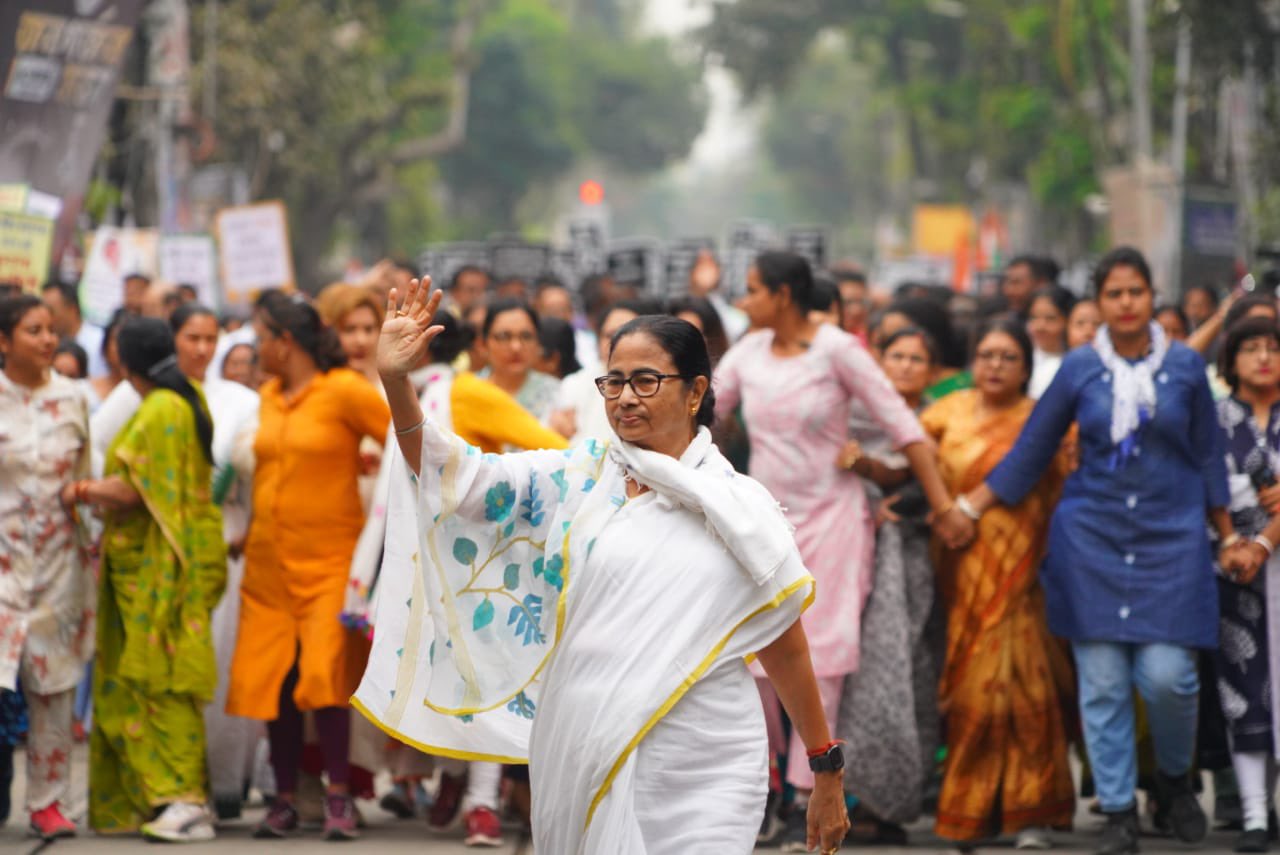
After nearly 15 years in power, Mamata Banerjee and her party appear to be confronting the classic fatigue that accompanies prolonged incumbency. Governance, over time, is judged not by rhetoric but by lived experience. Allegations of corruption—from Saradha to Narada—have lingered in public memory. Concerns over law and order, particularly crimes against women, have been repeatedly flagged by opposition parties and sections of civil society.
More politically sensitive, however, is the perception—rightly or wrongly—of selective governance. The opposition, especially the Bharatiya Janata Party, has aggressively framed the ruling dispensation as one that indulges in minority appeasement while neglecting broader societal balance. Claims around illegal immigration from Bangladesh and alleged manipulation of identity documentation have become central to this narrative. Whether these claims hold uniformly across the state is debatable—but electorally, perception often matters more than nuance.
The result is a defensive campaign from the ruling party. Instead of projecting a forward-looking vision, much of its energy appears spent countering allegations—against central agencies, against the Election Commission, and against the very process it once navigated with confidence. This shift from assertiveness to defensiveness is rarely a good sign in electoral politics.
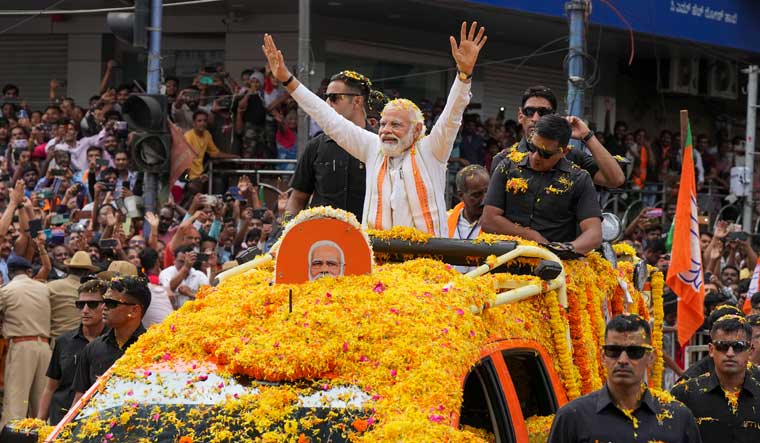
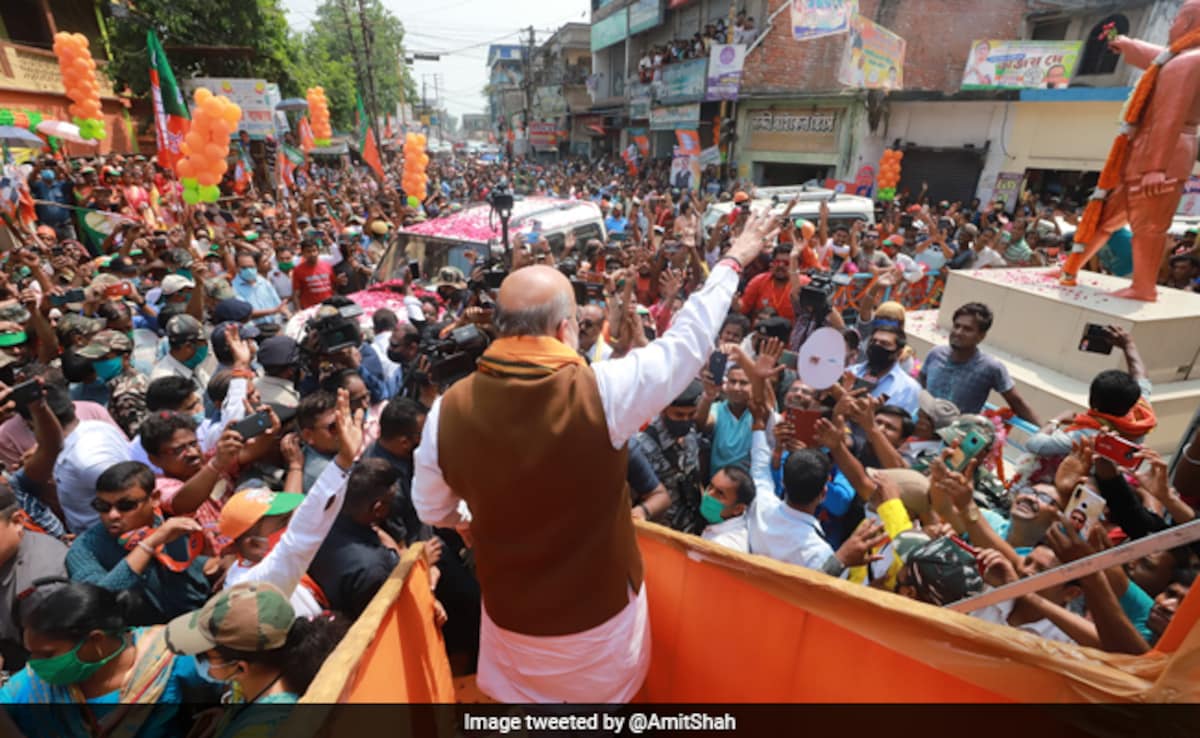
In contrast, the BJP has positioned itself as the principal challenger with a clear, if polarizing, pitch: governance overhaul, stricter law enforcement, and a crackdown on illegal immigration. Backed by an aggressive campaign led by Narendra Modi, Amit Shah, and Yogi Adityanath, the party has sought to convert voter dissatisfaction into a consolidated mandate.
Mass rallies, high-decibel messaging, and a focus on identity and security issues have clearly struck a chord with sections of the electorate. The BJP’s growth from a marginal player to a formidable force in Bengal within a decade is itself evidence of a changing political landscape. What was once unthinkable—a serious challenge to Trinamool’s dominance—is now very much within the realm of possibility.
However, bold claims of sweeping victories must be treated with caution. Electoral arithmetic in Bengal is complex, and regional dynamics vary sharply across districts. Yet, even allowing for exaggeration, the confidence displayed by BJP leadership reflects internal assessments that the contest is far tighter—and potentially more favourable—than ever before.
One particularly telling aspect is the emphasis on post-result security. Statements suggesting continued deployment of central forces even after the declaration of results point to a lingering concern: the spectre of post-poll violence. Bengal’s political history is replete with such episodes, where electoral verdicts have been followed by reprisals. If the current election has indeed been more peaceful, sustaining that peace after results will be the real test of democratic maturity.
For voters, especially those in sensitive districts like Murshidabad and Malda, the assurance of security is not an abstract promise—it is a prerequisite for genuine democratic participation. Any incoming government, irrespective of party, will be judged as much on its ability to maintain order as on its developmental agenda.
And that brings us to the larger point. Elections are not merely about replacing one regime with another; they are about resetting governance priorities. If there is indeed a “parivartan” underway in Bengal, it must go beyond political turnover. It must address institutional decay, restore administrative neutrality, and rebuild public trust across communities.
The temptation to frame this election purely in communal terms is strong—but ultimately limiting. Bengal’s future hinges not on deepening divisions but on ensuring equitable governance, economic revival, and rule of law. Any government that fails to balance these imperatives will face the same fate as its predecessor—sooner rather than later.
For now, the signals are unmistakable. The electorate appears restless, the opposition energised, and the ruling establishment unusually cautious. Whether this culminates in a decisive shift or a fractured mandate will be known soon enough.
But one thing is clear: Bengal is no longer politically predictable. And that, in itself, is the biggest story of this election.


Perfectly articulated report on Bengal elections. The highest percentage of turnout is a very clear indication that the people are “decisive” this type and are looking for a formidable change in governance.
Eagerly waiting for the electoral results.. what is note worthy is the regulative machinery of EC ensuring Free and Fair elections. Half the battle is won .. just have to wait for other half to emerge!
Shanker finding a very optimistic note with your term “ Parivartan “ .. let this academic tribe grow of coining native words to reveal the prominence of Indian Demographic factors.