



Trikkulasekharapuram Sree Krishna Temple is located near Kodungallur in the Thrissur district of Kerala. The temple is situated around 5 km from the famous Kodungallur Bhagavathy Temple and lies in a calm and spiritually rich region close to the Periyar River.
It is well connected by road from Thrissur and Kochi, and can be easily reached by devotees visiting Kerala’s ancient temples.
The main deity of the temple is Lord Krishna, worshipped in a beautiful and divine youthful form. The idol faces east and is known for its calm and graceful presence, attracting devotees seeking peace and prosperity.
Along with Lord Krishna, the temple also houses several sub-deities, including Lord Shiva, Ganapathi, Vasudeva, Nandagopa, Mohini, Parthasarathy, Govardhana, Anantha (Adi Sesha), and Garuda. This makes the temple spiritually very powerful and unique.
Devotees believe that prayers offered here help in achieving family happiness, mental peace, and overall well-being.
This temple is believed to be more than 1200 years old and dates back to around the 8th century AD. It is considered one of the oldest Krishna temples in Kerala and holds great historical and spiritual importance.
The temple is built in traditional Kerala style, featuring a simple yet elegant design. The sanctum (sreekovil) has a sloping roof and is constructed using wood and laterite stones, which are typical of ancient Kerala temples.
The temple complex contains beautiful carvings and inscriptions, including ancient scripts like Vattezhuthu, reflecting its rich heritage. The calm surroundings and traditional layout create a peaceful and divine atmosphere for devotees.
The temple is closely associated with the Chera dynasty and the Kodungallur kingdom. It is believed that the great devotee and king Kulasekara Alvar built this temple around the 8th century.
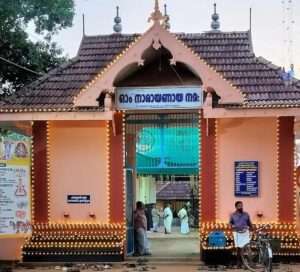
He considered Lord Krishna here as his family deity and played an important role in developing the temple. The temple was also linked to royal traditions and ceremonies during that time.
Kulasekara Alvar is believed to have composed the famous devotional work Mukundamala in praise of Lord Krishna here. Despite facing invasions in later periods, the temple preserved its sanctity and continues to be an important spiritual center.
The story of this temple is deeply inspiring and filled with divine miracles.
It is said that Kulasekara Alvar wished to build a grand temple for Lord Krishna so that people could worship the Lord. A beautiful idol was sculpted and arrangements were made for its consecration.
Before installation, the idol was taken to the Periyar River for purification rituals. Suddenly, due to heavy rains and strong currents, the idol was swept away in the river. Everyone was shocked and worried, as the consecration could not proceed without the idol.
At that moment, a great Tantri named Thamarassery Namboothiri meditated deeply and prayed to Lord Krishna. Guided by divine power, he walked to the river, offered prayers, and jumped into the flooded waters.
In a miraculous event, he returned carrying the idol of Lord Krishna safely on his shoulders. This was seen as a divine sign that the Lord himself chose this place to reside.
The idol was then installed in the temple with great devotion. It is believed that on this sacred occasion, Kulasekara Alvar sang the Mukundamala, filling the surroundings with divine energy.
Since then, the temple has been known for its powerful presence, and devotees believe that sincere prayers here are answered with blessings and protection.
The temple celebrates its annual festival during the Malayalam month of Medam (April–May), usually around the time of Vishu. The festival lasts for several days and includes traditional rituals, special poojas, and processions.
Daily poojas are conducted with great devotion, and rituals like Sheeveli are performed as part of temple traditions.
Krishna-related celebrations and special offerings are also observed, attracting many devotees who come seeking blessings for peace, prosperity, and happiness.

