



Kanjamalai Sri Balamurugan Temple is located on the sacred Kanjamalai hills near Salem in Tamil Nadu, around 14 kilometers from Salem city. Kanjamalai Sri Balamurugan Temple is an ancient hill temple dedicated to Lord Murugan in his youthful form as Balamurugan. The temple is deeply connected with Siddhar traditions and Siddha medicine. The hill is believed to be blessed by many Siddhars who performed intense meditation and penance here, making it a powerful spiritual center.
The temple is believed to be around 500 to 1000 years old, while the spiritual significance of Kanjamalai goes back to ancient Tamil Siddhar times. The hill has long been regarded as a sacred meditation and healing center.
The main deity is Lord Sri Balamurugan, worshipped in a youthful form. He is called “Gnana Sarguru Balamurugan,” who blesses devotees with wisdom, health, courage, and spiritual clarity. Devotees pray here for education, marriage, prosperity, and relief from life obstacles.
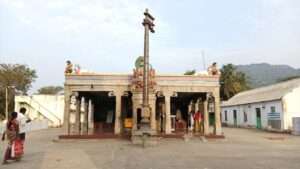
The temple follows a simple traditional Tamil hill temple style. Devotees climb steps through the scenic hill path to reach the sanctum. Though small in structure, the temple has strong spiritual vibrations. The surrounding caves, herbal hills, and natural silence enhance the divine experience.
Kanjamalai is strongly associated with Siddhar Kalangi Nathar and other Tamil Siddhars. They are believed to have performed intense penance here and discovered rare medicinal herbs. The hill is also linked with the famous legend of King Adhiyaman and poetess Avvaiyar, where a sacred gooseberry symbol of longevity was offered as a mark of respect for wisdom.
According to one ancient legend, Siddhar Kalangi Nathar and his guru visited Kanjamalai in search of rare medicinal herbs and spiritual knowledge. The hill was already famous for its powerful herbs capable of curing diseases and strengthening the body. The Siddhars stayed in the hill and spent their days in meditation and yogic practices.
One day, while preparing food, the disciple unknowingly used a special herbal stick to stir the rice. The herb’s divine medicinal power mixed with the food, causing the rice to turn dark in color. Fearing his guru’s anger, the disciple consumed the rice himself. Immediately, his aged body transformed into youthful strength and radiant health. His wrinkles disappeared, and he regained the energy of youth.
When the guru returned and saw the miraculous transformation, he realized the greatness of the herbal power hidden within Kanjamalai. The guru also consumed the remaining food and regained youthful vitality. This legend symbolizes the extraordinary medicinal and spiritual energy believed to exist within the sacred hill.
Another belief says that Siddhars continue their invisible spiritual presence within Kanjamalai. Devotees believe sincere prayers and meditation in these hills can bring healing, peace of mind, and spiritual blessings. Even today, many people visit the hill seeking relief from illness, mental stress, and negative energies.
Kanjamalai is considered a Siddhar energy hill filled with rare medicinal herbs and natural healing properties. The peaceful environment is ideal for meditation. Devotees believe worship here helps reduce negativity, stress, and health issues, bringing mental peace and spiritual strength.
The temple is known for its strong Siddhar connection, herbal-rich surroundings, and calm spiritual atmosphere. The hill is believed to have medicinal plants used in ancient Siddha healing. Many devotees visit for peace of mind, health blessings, and spiritual upliftment. The natural silence and hill energy make it a powerful meditation spot.
Thaipusam is celebrated with kavadi and special Murugan worship.
Skanda Sashti is observed with fasting and victory prayers for Lord Murugan.
Panguni Uthiram is celebrated with special abhishekam and devotion.
Vaikasi Visakam marks Lord Murugan’s birth with special poojas.
Monthly Krithigai is observed with deepa worship and Murugan darshan.

