Upadhyayula Lakshan Rao
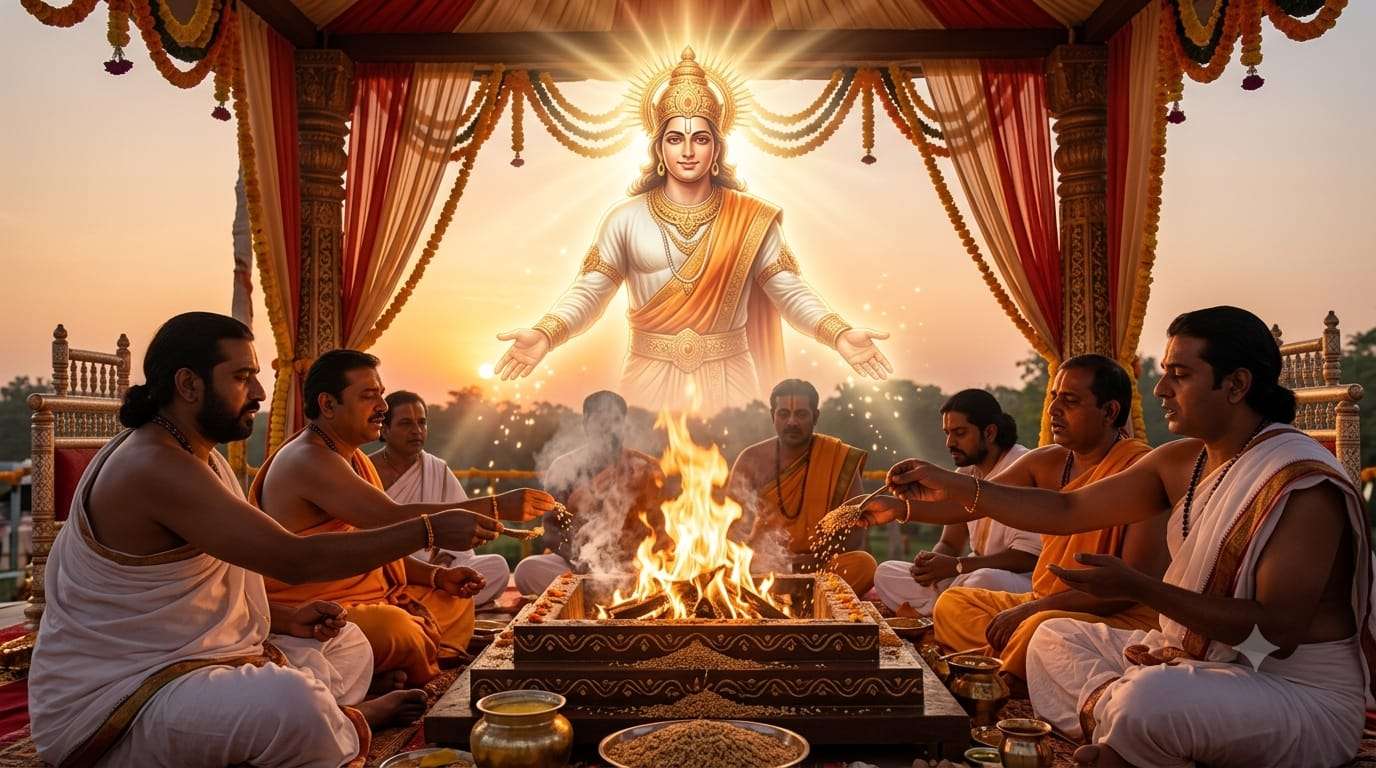
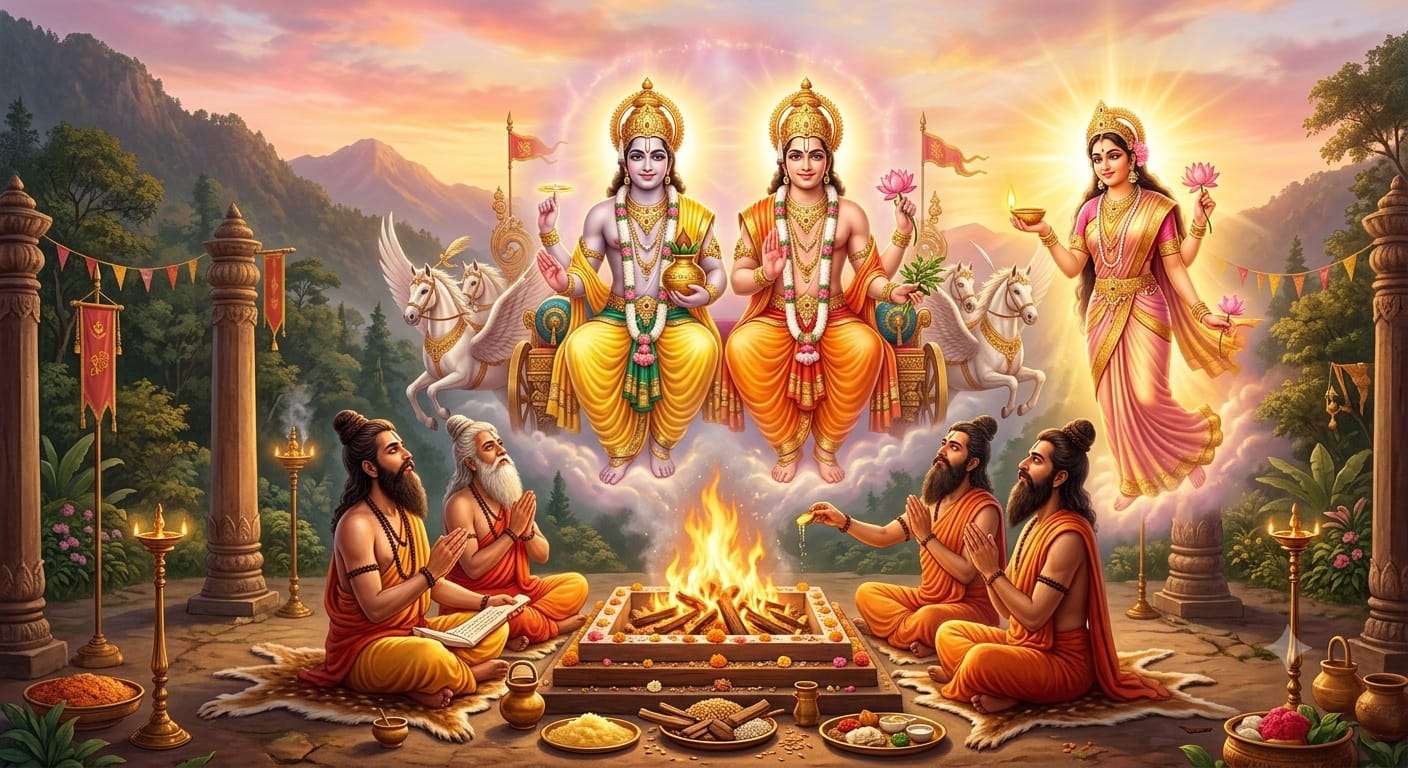
The sage Kakshīvanta, composing in the disciplined cadence of the Trishtubh metre within the hymns of the Rigveda, invokes the twin deities known as the Ashvins with reverence and clarity of purpose. The Soma, the radiant elixir prepared through sacred ritual, is placed upon the consecrated bed of holy grass, signifying both a material offering and an inner awakening. The ancient patron, representing the continuity of tradition, serves with devotion, while the priests recite hymns that bridge the human and the divine. The Ashvins are invited not merely as celestial beings, but as conscious participants in the ritual order, to descend and partake, bringing nourishment that sustains both body and spirit.
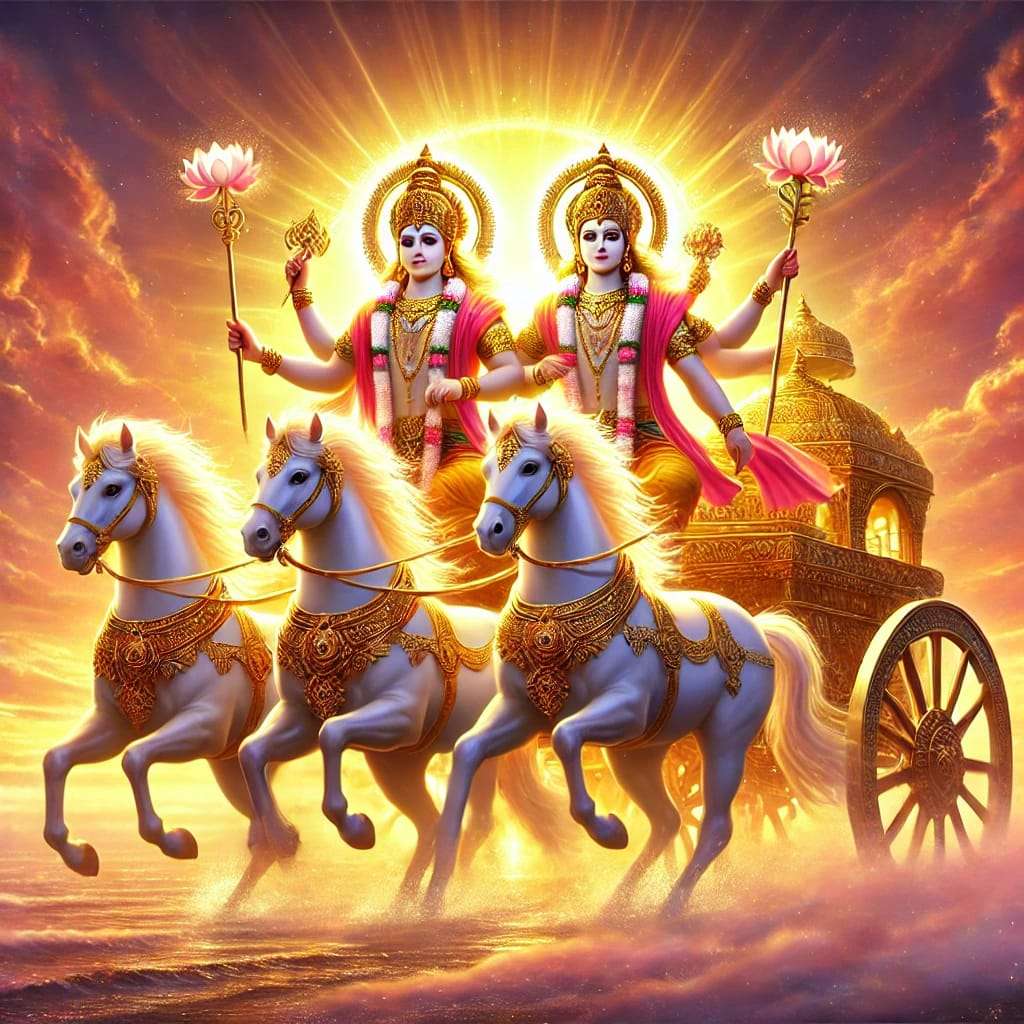
These divine twins are portrayed as universal powers whose chariot, yoked with noble steeds, moves with the swiftness of thought itself, symbolizing the dynamic movement of consciousness and the seamless union between intention and manifestation. Their journey to the house of the sacrificer reveals a deeper truth: divine grace arrives wherever sincerity and discipline are present. Thus, the same chariot that traverses cosmic distances is invoked to enter the humble dwelling of the devotee, affirming that sacred presence is not limited by scale but is drawn by devotion.
The hymns recount their luminous interventions in restoring both cosmic and moral order. They release the Sun from the grasp of darkness, an image that echoes the phenomenon of eclipse, expressed through mythic imagination. They rescue the sage Atri from a cavern of obscurity, symbolizing liberation from ignorance. The Ashvins restrain the deceptive forces of the Dasyus, representing the triumph of clarity over confusion, and they uphold the rhythm of the rains, ensuring the continuity of life through natural balance.
Their compassion extends to those cast into danger. They rescue Rebha, who had been thrown into the waters by hostile forces, restoring him with care, as one would tend a weary steed, revealing a profound understanding of recovery and renewal. They also uplift the sage Vandana from the depths of darkness, likened to bringing forth raw gold from the earth, suggesting transformation through refinement. Their actions are not random miracles, but purposeful acts that reflect careful observation, restoration, and harmony.
The Ashvins are especially celebrated for their mastery in healing and restoration, functioning as divine physicians. They restore youth to the aged sage Cyavana, grant sight to the blind sage Kanva, and provide a limb to the injured Vispala, illustrating an advanced conception of healing, renewal, and surgical skill. Their assistance to seekers and scholars, including learned women devoted to knowledge, reflects a society that values wisdom, health, and balance in equal measure.
Their adaptability is another defining feature of their nature. They assume different forms according to the needs of each situation, demonstrating a principle of transformation guided by purpose. They bestow upon King Veda a remarkable horse—swift, resilient, and beyond pursuit—symbolizing strategic insight and inventive imagination. Their chariot, at times drawn even by unconventional animals such as the donkey, conveys that strength and usefulness lie not in outward appearance, but in inherent capability and function.
The hymn also preserves subtle accounts of the transmission of knowledge. The sage Dadhichi imparts to them the secret teachings of Madhu and Pravarga. The symbolic account of his head being replaced with that of a horse suggests that the attainment of higher knowledge often requires a transformation of perspective. It reflects an early insight that understanding is shaped by the method and viewpoint through which it is approached.
Their benevolence extends beyond individuals to the wider world of agriculture, society, and cosmic order. They plough the land, sow grain, and bring the rains, aligning human effort with the cycles of nature. They remove forces that disturb harmony, not merely through power, but by restoring balance. Their actions reveal an integrated vision in which spirituality and careful observation coexist, each strengthening the other.
The sage concludes with a personal invocation, recognizing the Ashvins as guardians of truth, inspirers of action, and sustainers of lineage. He seeks not only prosperity, but continuity through future generations, reflecting the enduring emphasis on legacy and duty. The invitation to the sacrifice is therefore both ritual and philosophical—a call for harmony between human aspiration and the order of the universe.
In this hymn, the Ashvins stand not merely as mythological figures, but as embodiments of healing, swiftness, adaptability, and knowledge. Their deeds, preserved through generations, express an early synthesis of spiritual insight and thoughtful observation, where reverence and understanding unite in harmonious balance.
The Sacred Praise of the Ashvins: Restorers of Harmony and Divine Physicians
The sage Kakshīvanta, composing in the disciplined cadence of the Trishtubh metre within the hymns of the Rigveda, invokes the twin deities known as the Ashvins with reverence and clarity of purpose. The Soma, the radiant elixir prepared through sacred ritual, is placed upon the consecrated bed of holy grass, signifying both a material offering and an inner awakening. The ancient patron, representing the continuity of tradition, serves with devotion, while the priests recite hymns that bridge the human and the divine. The Ashvins are invited not merely as celestial beings, but as conscious participants in the ritual order, to descend and partake, bringing nourishment that sustains both body and spirit.
These divine twins are portrayed as universal powers whose chariot, yoked with noble steeds, moves with the swiftness of thought itself, symbolizing the dynamic movement of consciousness and the seamless union between intention and manifestation. Their journey to the house of the sacrificer reveals a deeper truth: divine grace arrives wherever sincerity and discipline are present. Thus, the same chariot that traverses cosmic distances is invoked to enter the humble dwelling of the devotee, affirming that sacred presence is not limited by scale but is drawn by devotion.
The hymns recount their luminous interventions in restoring both cosmic and moral order. They release the Sun from the grasp of darkness, an image that echoes the phenomenon of eclipse, expressed through mythic imagination. They rescue the sage Atri from a cavern of obscurity, symbolizing liberation from ignorance. The Ashvins restrain the deceptive forces of the Dasyus, representing the triumph of clarity over confusion, and they uphold the rhythm of the rains, ensuring the continuity of life through natural balance.
Their compassion extends to those cast into danger. They rescue Rebha, who had been thrown into the waters by hostile forces, restoring him with care, as one would tend a weary steed, revealing a profound understanding of recovery and renewal. They also uplift the sage Vandana from the depths of darkness, likened to bringing forth raw gold from the earth, suggesting transformation through refinement. Their actions are not random miracles, but purposeful acts that reflect careful observation, restoration, and harmony.
The Ashvins are especially celebrated for their mastery in healing and restoration, functioning as divine physicians. They restore youth to the aged sage Cyavana, grant sight to the blind sage Kanva, and provide a limb to the injured Vispala, illustrating an advanced conception of healing, renewal, and surgical skill. Their assistance to seekers and scholars, including learned women devoted to knowledge, reflects a society that values wisdom, health, and balance in equal measure.
Their adaptability is another defining feature of their nature. They assume different forms according to the needs of each situation, demonstrating a principle of transformation guided by purpose. They bestow upon King Veda a remarkable horse—swift, resilient, and beyond pursuit—symbolizing strategic insight and inventive imagination. Their chariot, at times drawn even by unconventional animals such as the donkey, conveys that strength and usefulness lie not in outward appearance, but in inherent capability and function.
The hymn also preserves subtle accounts of the transmission of knowledge. The sage Dadhichi imparts to them the secret teachings of Madhu and Pravarga. The symbolic account of his head being replaced with that of a horse suggests that the attainment of higher knowledge often requires a transformation of perspective. It reflects an early insight that understanding is shaped by the method and viewpoint through which it is approached.
Their benevolence extends beyond individuals to the wider world of agriculture, society, and cosmic order. They plough the land, sow grain, and bring the rains, aligning human effort with the cycles of nature. They remove forces that disturb harmony, not merely through power, but by restoring balance. Their actions reveal an integrated vision in which spirituality and careful observation coexist, each strengthening the other.
The sage concludes with a personal invocation, recognizing the Ashvins as guardians of truth, inspirers of action, and sustainers of lineage. He seeks not only prosperity, but continuity through future generations, reflecting the enduring emphasis on legacy and duty. The invitation to the sacrifice is therefore both ritual and philosophical—a call for harmony between human aspiration and the order of the universe.
In this hymn, the Ashvins stand not merely as mythological figures, but as embodiments of healing, swiftness, adaptability, and knowledge. Their deeds, preserved through generations, express an early synthesis of spiritual insight and thoughtful observation, where reverence and understanding unite in harmonious balance.