
There was a time when a five-paise increase could trigger a public uprising. That, of course, was a few decades ago.
Students and youth would pour onto the streets if bus fares were raised by five or ten paise. A one-rupee hike in the monthly bus pass was enough to spark protests.
Buses were stopped, tyres burnt, traffic blocked and, at times, the agitation turned violent with RTC buses torched. Police responded with lathi charges and tear gas.
It was never about five paise. It was about the belief that every rupee mattered and that any burden on the common man deserved resistance.
Fuel price hikes invited a different kind of protest. Nobody stormed the streets, but drawing rooms and tea stalls turned into debating arenas. Governments were cursed. Oil companies were blamed.
Yet people quietly joined long queues at petrol pumps in a knee-jerk rush to top up tanks, cans and even plastic bottles as though those extra litres would last a lifetime.
And people had reason to worry. Fuel was not merely fuel. It was the first domino. Petrol and diesel prices rose and everything else followed – dal, chawal, atta, cooking oil, vegetables, transport fares, milk, poultry, fish and meat. Every increase widened the hole in the family budget. People grumbled, adjusted and carried on.
The new selective outrage
What has changed is not inflation. What has changed is us. The same penny pinchers who once argued with vegetable vendors over char anna, oath anna (25 or 50 paise) now do not hesitate to buy gold after prices rise by thousands of rupees.
Families that complained about bus fare hikes now spend freely on destination holidays, dynamic airfares and weekend getaways.
We negotiate fiercely over onions but rarely over indulgence. A family may spend twenty minutes bargaining over vegetables and then walk into a cafe and pay without blinking for coffee that costs more than an entire breakfast once did.
Somewhere along the way, necessity became negotiable, and luxury became non-negotiable.
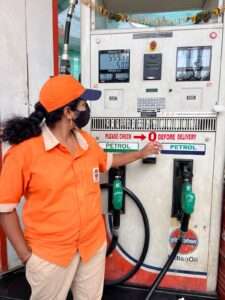
The politics of petrol
To be fair, fuel prices are not rising only in India. Global geopolitical tensions have pushed up energy costs worldwide. Oil-producing nations themselves have raised prices for their own citizens and residents.
India too was bound to feel the impact. The government had maintained that there was no immediate crisis and that reserves were comfortable. Yet while other countries revised prices sharply, India delayed the inevitable. Critics argued that the increases came only after elections in key states had concluded.
Before the hikes, Prime Minister Narendra Modi spoke of austerity and reducing fuel consumption. He also reportedly reduced the size of his convoy as a symbolic measure.
Then came the increases. Three rupees a litre first. As households began recalculating expenses and considering public transport, another increase – by 90 paise – followed in less than a week.
The issue was never whether prices would rise. The issue was how much more households could absorb.
India’s fuel prices may still compare favourably with several countries, but international comparisons offer little comfort to families balancing school fees, groceries, rent and transport costs. Because when fuel rises, everything rises.
The onion lesson politicians never forget
Indian politics has long carried a warning for governments that ignore kitchen economics. Rising onion prices have influenced public mood before and were widely viewed as one of the factors behind the BJP losing the Delhi Assembly election in 1998.
The onion has humbled governments because voters may forgive ideology, but they rarely forgive an expensive kitchen. Fuel price increases carry the same danger because their impact travels beyond the petrol pump and enters every household.
We protest less, absorb more
Perhaps the biggest change is not economic. It is psychological. Indians have become extraordinarily resilient. We complain, cut costs, postpone purchases, switch brands and adapt. Every wave of inflation is met with the same resigned response – adjust and move on.
Maybe that is our strength. Or perhaps it explains why we no longer react to rising prices the way earlier generations did.
Somewhere between the five-paise bus fare protests and today’s silent acceptance, we stopped fighting inflation and started accommodating it. And that may be the costliest change of all.