Islamabad: Pakistan’s Foreign Minister on Sunday indicated the prospect of potential talks between the US and Iran to de-escalate the ongoing war, underlining that both countries have expressed their “confidence” in Islamabad to facilitate their talks.
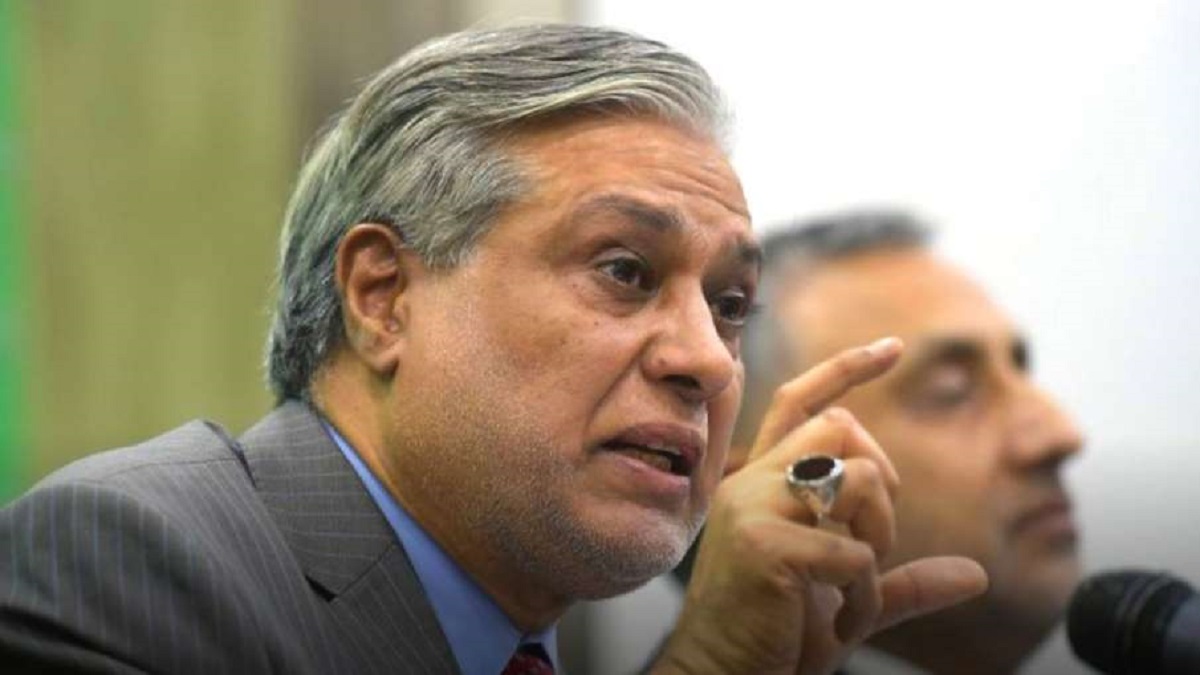
Ishaq Dar made these remarks while addressing the media after holding the quadrilateral consultations with his counterparts from Saudi Arabia, Egypt, and Turkiye.
The leaders also discussed ways to bring an “early and permanent end to the war” in the region as they held consultations on the West Asia conflict.
“Islamabad has now become the hub of all diplomatic activity to try to bring an end to the US-Israel war on Iran,” Al Jazeera’s Osama Bin Javaid reported from the Pakistani capital.
He noted that the meetings are a platform initially discussed in the Saudi capital, Riyadh. Dar, who is also Pakistan’s foreign minister, is now trying to use this foundation to “build a regional bloc of sorts” that could eventually bring together broader powers, including Indonesia and Malaysia.
The diplomatic push follows a Saturday evening phone call between Dar and his Iranian counterpart, Abbas Araghchi. According to a readout posted on Araghchi’s official Telegram channel, Dar briefed him on the four nations’ efforts to achieve an immediate halt to the war. During the call, Araghchi detailed what he described as “heinous crimes” committed by the US and Israel against Iran, accusing them of deliberately targeting schools, hospitals, other public infrastructure and residential areas.
As an initial confidence-building measure after the ministers’ call, Islamabad announced that Tehran had agreed to allow 20 Pakistani-flagged ships to pass through the Strait of Hormuz at a rate of two per day.
Bin Javaid explained that this move is designed to “tell the Americans that they’ve been somewhat successful in opening the Strait of Hormuz”.
The regional efforts come as US President Donald Trump announced a 10-day extension of his deadline for Iran to reopen the strait, through which 20 percent of the world’s oil and gas supplies pass. Tehran’s chokehold on the strait has created the worst energy crisis since the 1973 oil embargo.
Trump has sent a 15-point ceasefire plan to Iran, but Tehran has rejected it and instead presented its own conditions, including the end of US-Israeli aggression, reparations for war damage and security guarantees to prevent future attacks.
Trump and Israeli Prime Minister Benjamin Netanyahu launched the war on February 28 as Washington was holding talks with Tehran on its nuclear programme. Oman, the mediator of those discussions, said the war was launched although a deal had been “within reach”.
Pakistan will be walking a diplomatic tightrope at the talks. It has close defence ties with Saudi Arabia and shares a 900km (560-mile) border and cultural ties with Iran. Pakistan is also home to the second largest Shia population in the world after Iran.
“It’s a difficult job, given the fact that these foreign ministers will be meeting to see if they are able to bring the Americans and the Iranians back to the negotiating table,” Al Jazeera’s Kamal Hyder said, reporting from Islamabad.
Zahid Hussain, a political analyst from Pakistan, described the country’s role as a “very delicate balancing act”. He pointed out that while Islamabad condemned the recent attacks on Iran and Gulf states, it explicitly named Israel while carefully refraining from naming the US.
Ties between Washington and Islamabad have warmed up since Trump succeeded former US President Joe Biden. Trump has hosted Pakistan army chief Asim Munir twice as the two leaders have developed a personal rapport. Trump has described Munir as “my favourite field marshal.”
“Pakistan is currently playing the role of a messenger rather than a mediator, relaying messages between America and Iran,” Hussain explained, noting that Islamabad lacks the leverage to impose solutions. “If the war ends following this initiative, it will significantly elevate Islamabad’s diplomacy. But if it continues, Pakistan will be one of the countries most harmed.”