Words matter. More so when they come from the highest constitutional offices in the country. A politician may survive on rhetoric. A television anchor may thrive on provocation. But the judiciary, particularly the office of the Chief Justice of India, is expected to embody restraint, balance, and constitutional sobriety. That is why the reported “cockroach” remark by the Chief Justice during a Supreme Court hearing has triggered outrage far beyond the courtroom. During a hearing on May 15, the Chief Justice reportedly remarked that some unemployed youngsters “like cockroaches” enter social media activism or RTI campaigns and begin attacking everyone. Even if the observation was directed at those allegedly misusing the legal system with fake credentials, the language was reckless and deeply insensitive. In a nation battling chronic unemployment, economic anxieties, and growing frustration among educated youth, such a sweeping analogy was bound to wound public sentiment. The judiciary cannot afford casual contempt toward the people it serves. What makes the controversy more serious is not merely the phrase itself, but the larger pattern of judicial commentary in recent years. Increasingly, some judges appear willing to make sweeping philosophical, theological, or political observations from the Bench, often unrelated to the narrow legal questions before them. Such remarks may generate headlines, but they also erode institutional gravitas. India has witnessed instances where judges have commented on matters of faith in ways many believers found dismissive or offensive. One judge famously told a petitioner to “go and ask your God.” During the hearings in the Sabarimala Temple entry controversy matter, observations were made suggesting that temple visits or rituals are not essential to being Hindu. Whether one agrees with those sentiments or not is beside the point. Judges are not philosophers delivering public lectures. Their constitutional duty is adjudication, not theological reinterpretation.
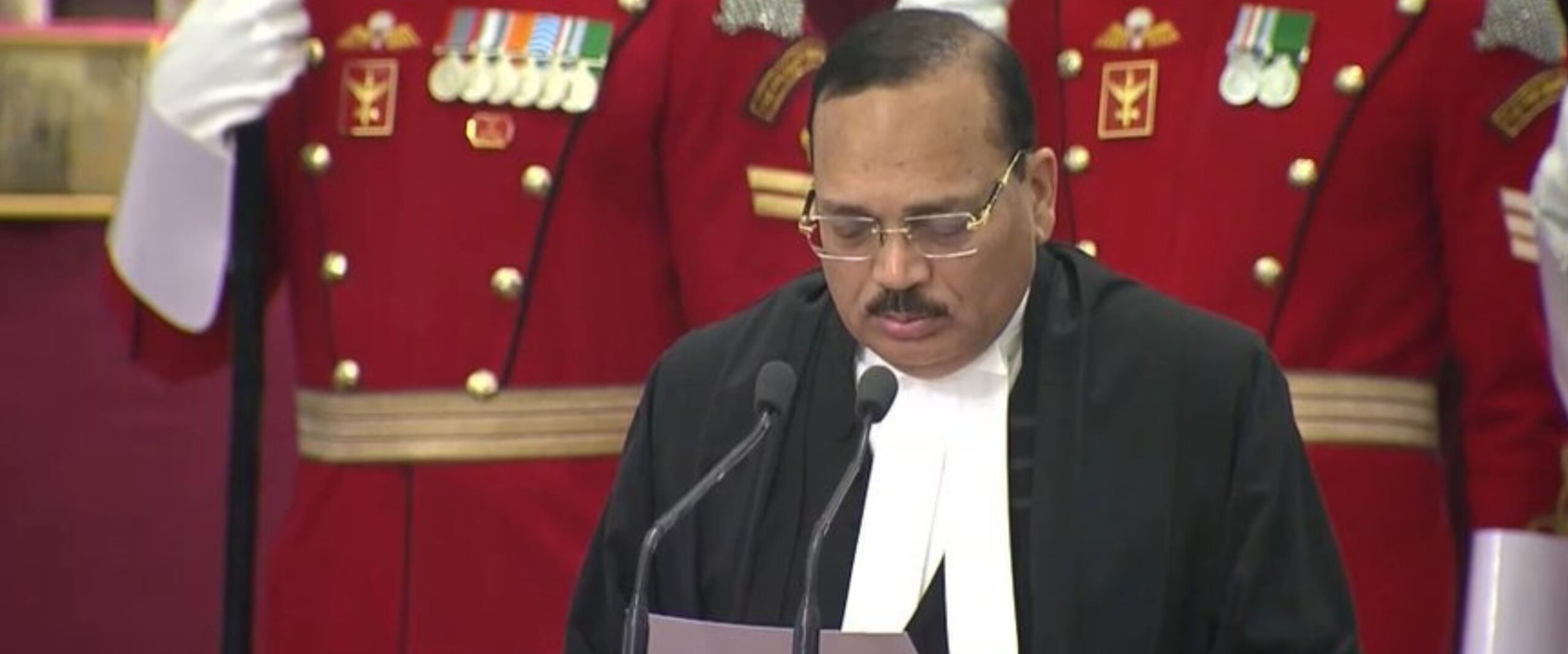
When judicial remarks repeatedly drift into ideological territory, criticism becomes inevitable. The judiciary cannot demand absolute reverence while simultaneously abandoning restraint. The irony is that the “cockroach” remark has now produced precisely the kind of backlash it should have anticipated. What began as a courtroom observation has transformed into a viral online movement. Digital commentator Abhijeet Dipke seized upon the insult and launched the satirical “Cockroach Janata Party,” with the slogan “Main bhi cockroach.” Thousands of young Indians, frustrated with unemployment and political alienation, began embracing the label ironically. The establishment may dismiss it as social media theatre, but the symbolism is telling. When institutions mock public frustration instead of understanding it, satire becomes rebellion. The damage was further amplified when senior Congress leader Shashi Tharoor reportedly suggested that the trend reflected growing Gen Z frustration, which the Opposition should politically capitalize upon. That statement was equally irresponsible. India’s political class has increasingly normalized dangerous rhetoric — from predicting social unrest if election results are unfavourable to invoking comparisons with instability in neighbouring countries like Bangladesh or Sri Lanka. Such narratives do not strengthen democracy; they weaken public confidence in democratic institutions. But political recklessness cannot become an excuse for judicial recklessness. The judiciary occupies a sacred constitutional position precisely because it is expected to rise above political noise. Unlike politicians, judges are insulated from electoral accountability. That insulation demands greater discipline, not lesser responsibility.

A Chief Justice’s words are not casual conversations in a private drawing room. They carry constitutional weight, shape public discourse, and influence institutional credibility. Had a union minister or chief minister referred to unemployed youth as “cockroaches,” television studios would have exploded with outrage, demands for resignation, and accusations of insensitivity. Yet when similar language emerges from the judiciary, a fearful silence often prevails because few dare question judicial authority openly. That culture of unquestioning immunity is unhealthy for democracy. Criticism of the judiciary is not an attack on democracy. In fact, accountability strengthens institutions. Public trust in courts cannot survive merely on historical prestige. It must be earned continuously through integrity, impartiality, and dignified conduct. India’s judiciary today faces serious public concerns — allegations of nepotism, opaque collegium appointments, delayed justice, selective urgency in hearings, and visible ideological overreach by some members of the Bench. In such an atmosphere, judicial leaders should be exceptionally cautious about appearing arrogant, dismissive, or contemptuous toward ordinary citizens. The judiciary must introspect. Constitutional authority does not place judges above criticism. Nor does it permit mocking faith, citizens, or struggling youth from the Bench. Judicial wisdom lies not merely in delivering judgments, but in exercising restraint. That restraint now appears urgently necessary.