



Sri Jalpa Mata Mandir is located near Rajgarh town in Madhya Pradesh. Surrounded by natural hills and greenery, the temple attracts both pilgrims and visitors seeking peace and spiritual blessings.
The temple is believed to be more than 550 years old. According to local traditions, the shrine was worshipped during the time of the Bhil rulers, who once ruled this region. Over centuries, the temple gained fame as an important Siddha Peeth and center of Shakti worship in Madhya Pradesh.
The main deity worshipped here is Maa Jalpa Mata, regarded as a powerful form of Goddess Durga and Adi Shakti. Devotees believe the goddess fulfills wishes, removes obstacles, and grants blessings related to marriage, prosperity, protection, and family happiness.
The present temple is built in traditional North Indian temple style with a tall shikhara above the sanctum sanctorum. Situated atop a hill, the temple offers a majestic spiritual atmosphere along with beautiful panoramic views of the surrounding landscape.
The temple complex includes stairways, pathways, resting areas, and open spaces for pilgrims. Though the shrine itself is ancient, the present grand structure was mainly developed during the late 20th century after the formation of a temple trust supported by local devotees and administration.
According to local history, Maa Jalpa was originally worshipped in the open on the sacred hilltop by villagers and tribal communities. Devotees gradually developed deep faith in the goddess after experiencing fulfillment of prayers and divine blessings.
Over time, the shrine became widely known across nearby regions. Local traditions mention that several rulers and devotees attempted to construct a grand temple in earlier centuries, but repeated obstacles interrupted the work. Devotees believed the goddess preferred the simplicity and spiritual purity of the natural hill environment.
Later, organized development of the temple began in the late 20th century, transforming the shrine into one of the major pilgrimage centers of the Rajgarh district.
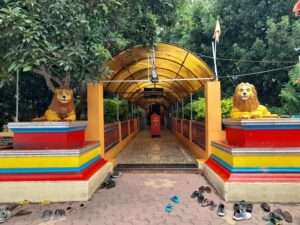
According to local belief, the sacred hill of Jalpa Mata was once covered with dense forests and was worshipped by tribal communities and local rulers. Devotees believe that Maa Jalpa manifested herself on this hill and began protecting the surrounding region and its people. The goddess was initially worshipped on a simple stone platform beneath the open sky, and the place gradually became known for the fulfillment of prayers and wishes.
The most famous belief associated with the temple is connected with marriages. It is believed that Maa Jalpa removes obstacles related to marriage and family life. According to temple tradition, even if auspicious wedding dates or muhurats are unavailable, marriages can still be conducted after seeking the goddess’s blessings. A sacred Lagna Patrika is first offered before Maa Jalpa, and the marriage is then considered divinely blessed.
After the wedding ceremony, the newly married couple returns to the temple to offer prayers and seek blessings for a happy and prosperous married life. Because of this unique tradition, the temple is especially famous among devotees facing delays or difficulties in marriage.
Another unique custom followed at the temple is related to the swastika symbol. Devotees draw an inverted swastika while praying for the fulfillment of wishes. Once their wish is fulfilled, they revisit the temple and redraw the swastika in its proper form as an offering of gratitude to the goddess.
Local oral traditions also mention that several attempts in earlier times were made to build a large structure over the shrine, but mysterious obstacles repeatedly halted construction. Devotees believed that Maa Jalpa wished to remain connected with the sacred hill and natural surroundings. Eventually, with the support of devotees and local administration, the present temple structure was developed while preserving the sanctity of the ancient shrine.
Navratri is the most important festival celebrated at Sri Jalpa Mata Mandir. During Chaitra Navratri and Sharad Navratri, thousands of devotees visit the temple for darshan and special worship. The temple is beautifully decorated, and special pujas, bhajans, and devotional programs are conducted throughout the festival period. Large gatherings of devotees create a vibrant spiritual atmosphere around the temple hill.


