MS Shanker
The arrival of the Indian Premier League season is supposed to be a celebration of cricket—packed stadiums, electrifying contests, and fans living every ball. Instead, what unfolds behind the scenes is far less glamorous: a scramble for free passes, entitlement politics, and a quiet sidelining of the very people who built the game.
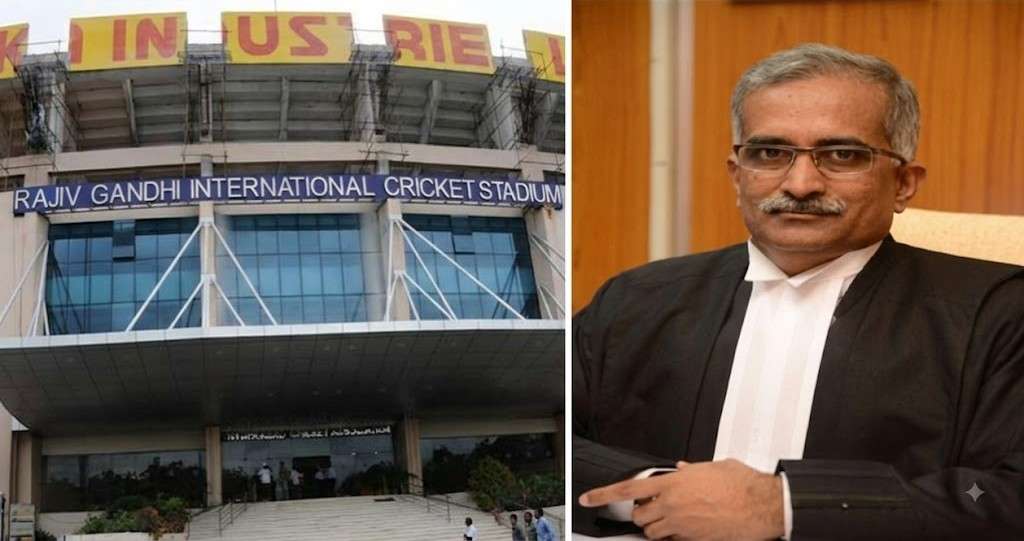
The latest controversy, triggered by an open letter from former Hyderabad Cricket Association Secretary Shesh Narayan, lays bare a system that has long operated in shadows. At present, HCA distributes three executive passes and four complimentary tickets to each affiliated club secretary. On paper, it sounds routine. In reality, it is a pipeline of privilege.
Here’s the uncomfortable truth: every “complimentary” pass handed to a club functionary or power broker is one less seat for a genuine, paying cricket fan. In a country where demand for IPL tickets far outstrips supply, this is not just administrative generosity—it is systemic exclusion.
But let’s be clear—this is not about every club secretary. The real issue lies with a well-entrenched group of powerful secretaries and their agents who have mastered the art of manipulating the system. They corner a disproportionate share of passes meant for the wider body of clubs and quietly convert them into currency—either distributing them as PR favours or outright selling them.
This is where reform must begin.
Passes must be handed directly and transparently to each legitimate club secretary, eliminating middlemen and internal capture. Without this basic correction, any policy change is cosmetic.
What makes the situation worse is the rampant misuse of accreditation cards—originally meant for players and genuine officials. These are routinely diverted and exploited by the same power circles, turning access control into a joke. The system is not just leaking—it is being deliberately gamed.
At the same time, there must be clear rationalisation of passes—between what is allocated to club secretaries and what is rightfully reserved for players. Because today, even that balance is skewed.
What makes the situation more galling is the blatant disregard for former state cricketers. Those who sweated it out on the field, carried Hyderabad’s cricketing legacy, and built the foundation for today’s IPL spectacle are often denied even basic courtesies. No guaranteed passes. No meaningful recognition. Certainly, no priority.
There must be a formal, protected quota for state and former players, ensuring entry and dignity. Not as a favour—but as a right.
And the problem doesn’t stop at cricket administrators.
Police misuse of access has become another unchecked layer of crowding. Personnel entering beyond operational necessity end up occupying valuable seating, swelling numbers beyond capacity and contributing to chaos. This is not security—it is overreach. It must be strictly regulated.
Then comes perhaps the most indefensible symbol of entitlement—the private rooms of Apex Council members, effectively converted into personal viewing galleries during matches. In a packed stadium where genuine fans are denied entry, this is nothing short of institutionalised privilege.
These rooms must either be:
Discontinued and reallocated to players and members, or
Commercially monetised, with proceeds directed towards genuine cricket development.
Anything less is complicity.
The problem, however, goes beyond Hyderabad. Across India, state associations face mounting pressure from all quarters—politicians, bureaucrats, police officials, and even the judiciary. Everyone wants a slice of the IPL pie, and almost always, they want it free.
The rot has become so normalized that even legislative forums are not immune. In Karnataka, the issue of IPL passes echoed inside the Assembly, ironically in the shadow of a tragic stampede linked to celebrations of the Royal Challengers Bengaluru title win—an incident that claimed 11 lives. Yet, instead of introspection, the debate circled back to entitlement.
This raises a larger, uncomfortable question: why should a multi-billion-dollar ecosystem like the IPL continue to function within a framework that allows such opaque distribution of benefits?
The answer may lie in policy reform. If the Board of Control for Cricket in India is now being aligned under a broader sports governance framework, then it is time to revisit its long-standing classification as a “charitable institution.” There is nothing charitable about the IPL’s revenue model. It is a commercial juggernaut.
Tax it accordingly.
More importantly, the culture of “free passes” must end—or at least be tightly regulated and made accountable. If taxes are imposed, they should apply uniformly—even to complimentary tickets. Entitlement must come with a cost.
At its core, this is not just about tickets. It is about the soul of cricket.
When stadiums fill up with the powerful instead of the passionate, when access is dictated by influence rather than merit or love for the game, cricket loses its identity. The IPL, for all its glitz, risks becoming an exclusive carnival rather than a people’s festival.
The political class, bureaucrats, and power brokers must step back. Their presence should never come at the cost of the common fan.
With a young leadership in Telangana and an opportunity to reset governance within the HCA, the moment is ripe.
The question is simple:
Will they dismantle this ecosystem of controlled access and quiet profiteering—or continue to protect it?
Because every free pass handed out in privilege is a paying fan turned away at the gate—and that is the real loss cricket cannot afford.