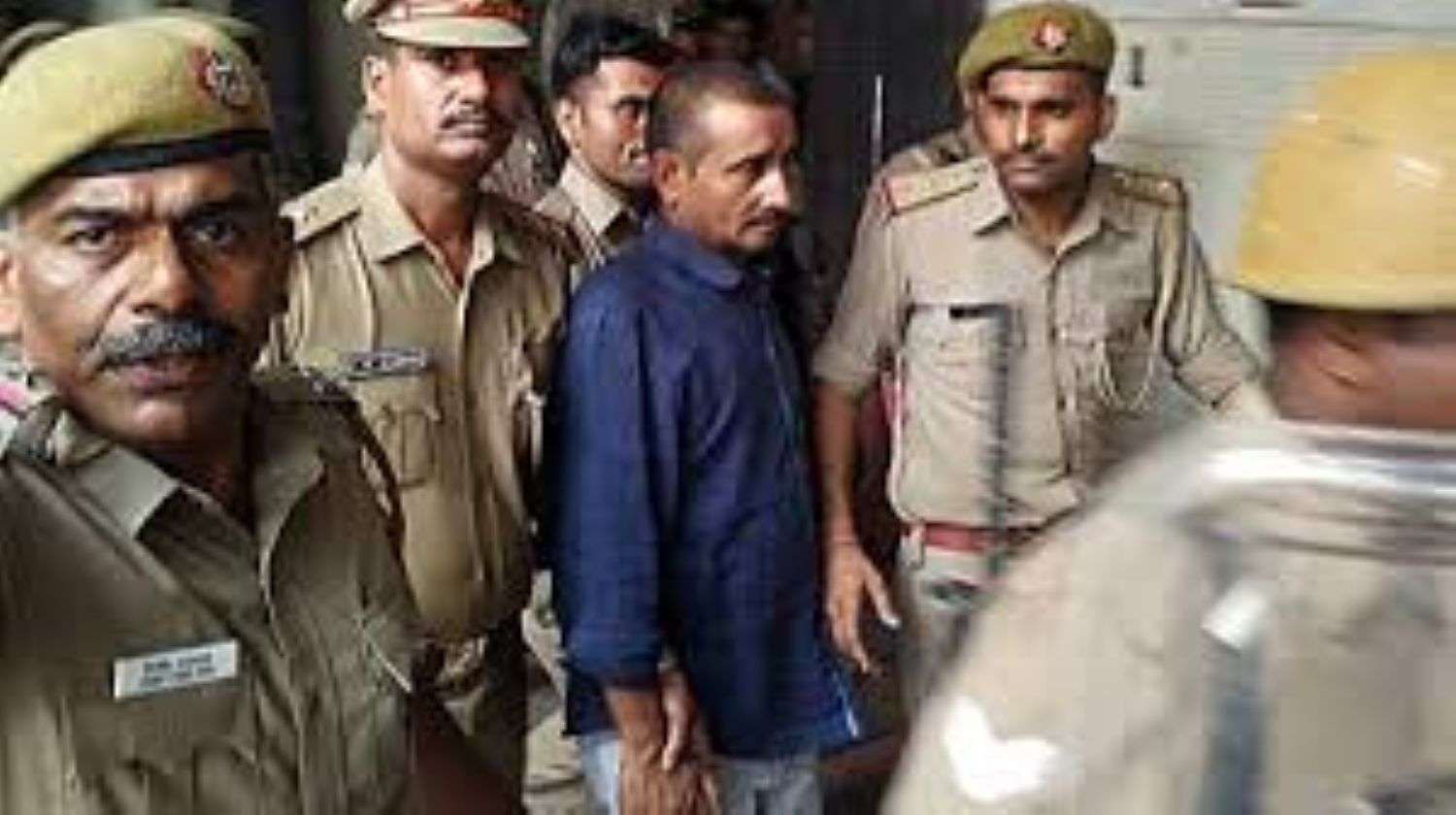
New Delhi: The Supreme Court on Friday set aside a Delhi high court order suspending the life sentence of former Bharatiya Janata Party MLA Kuldeep Singh Sengar in the 2017 Unnao rape case and asked it to decide the plea afresh.
A bench comprising Chief Justice of India (CJI) Surya Kant and Justice Joymalya Bagchi also asked the high court to make endeavours to decide the main plea of Sengar against his conviction and life imprisonment in the case within two months.
It also said that if it was not possible for the high court to decide the main plea expeditiously, it should pass an order on a plea of Sengar seeking the suspension of his life term before the start of the summer vacation.
The bench, which had earlier set aside the high court order granting bail to Sengar after a huge public uproar over the issue, said that it did not express any opinion on the merits of the case and the high court could proceed with it afresh and hear all parties, including the victim.
It asked the parties not to seek adjournment of the hearing on the appeal of Sengar before the high court.
The top court was hearing a Central Bureau of Investigation appeal challenging the suspension of the former lawmaker’s life imprisonment by the high court in the case.
It noted that prima facie, the high court dealt with several issues while deciding Sengar’s plea for suspension of sentence.
“It emerges that there are several other issues to consider… Without expressing any opinion on merits, we allow the appeal (of the CBI) and set aside the impugned order,” the bench said, adding, “The high court shall make an endeavour to decide the main appeal (against conviction and the life term) within two months.”
Observing that it has not expressed any opinion on the merits of the case, the bench asked the high court to decide afresh the plea for suspension of sentence without being influenced by the order of this court.
The CJI also asked the high court to decide afresh issues like whether an MLA can be treated as a public servant for being prosecuted under the Protection of Children from Sexual Offences (POCSO) Act.
During the hearing, Solicitor General Tushar Mehta, appearing for the CBI, said the high court was wrong in taking a view that a lawmaker was not a “public servant” within the meaning of the POCSO Act.
Justice Bagchi prima facie agreed to the submissions, saying, “We are not endorsing the hypertechnical view taken by the high court”, and highlighted that the POCSO Act was enacted to protect children.
The solicitor general said that an MLA would be in a dominant position in such cases where the victim is a minor.