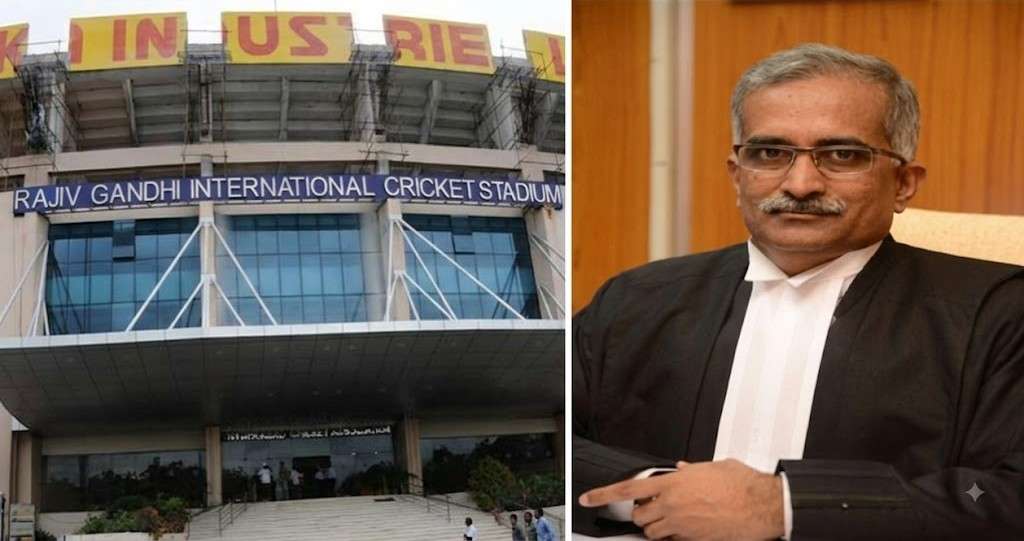
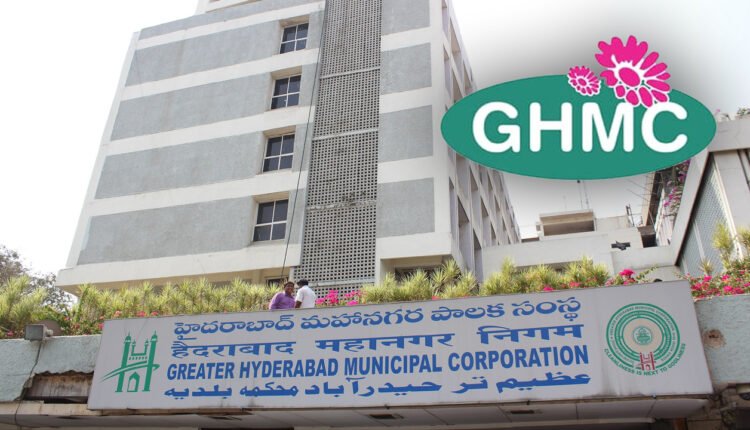
With the upcoming elections to the Greater Hyderabad Municipal Corporation (GHMC) expected anytime soon, the political temperature across Hyderabad’s sprawling urban landscape is steadily rising. For voters, however, this is not just another electoral ritual—it is the most powerful window of opportunity to demand accountability, extract commitments, and ensure long-pending civic works are finally executed.
Over the years, GHMC elections have often been reduced to a contest of political narratives between parties like the Bharat Rashtra Samithi (BRS), the Indian National Congress, and the Bharatiya Janata Party. But beneath the rhetoric lies a more pressing reality: the everyday struggles of citizens battling poor roads, clogged drains, irregular water supply, and inadequate sanitation. These are not abstract policy issues—they are lived hardships affecting millions.
The GHMC, which once had 150 wards, has now expanded to 300 wards by incorporating peripheral municipalities from surrounding districts. This expansion has brought new areas into the city’s administrative fold, but it has also exposed glaring disparities in civic infrastructure. Many of these newly added localities continue to grapple with basic issues that should have been resolved long ago.
This is precisely why the upcoming polls must not be seen merely as a chance to elect corporators (earlier known as councillors), but as a moment to enforce performance. Voters must collectively insist that aspiring candidates—whether sitting representatives or new entrants—deliver on pending works before they seek votes again.
The message should be simple and unequivocal: No work, no vote.
Across Hyderabad, residents’ associations, colony welfare groups, and citizen forums must rise above political affiliations and come together to prepare a list of unresolved issues in their respective wards. These typically include:
- Laying and repairing internal roads that have been neglected for years
- Modernizing drainage systems to prevent flooding during monsoons
- Ensuring regular and clean drinking water supply
- Strengthening garbage collection and sanitation mechanisms
- Installing and maintaining street lighting for public safety
These are not luxuries—they are basic civic rights.
What makes this moment particularly critical is the political flux. While the BRS had earlier dominated the GHMC council, recent political shifts have seen several leaders, including the Mayor, moving closer to the Congress, which is now in power in Telangana. This transition creates both uncertainty and opportunity. Aspirants from all parties are now eager to consolidate their position, making them more receptive to public pressure than ever before.
Voters must leverage this vulnerability.
Instead of being swayed by last-minute promises, freebies, or emotinal appeals, citizens should demand visible, on-ground progress. Let candidates prove their commitment through action—by completing stalled works, allocating funds transparently, and engaging directly with the community.
Equally important is sustained vigilance. Civic engagement should not end with elections. Residents must continue to monitor the performance of their corporators, attend ward meetings, and hold them accountable through institutional mechanisms. Democracy at the local level thrives only when citizens remain active participants, not passive spectators.
There is also a broader lesson here. Urban governance in a rapidly growing city like Hyderabad cannot succeed without a partnership between elected representatives and the people. While corporators are responsible for execution, it is the citizens who must define priorities and enforce accountability.
The upcoming GHMC elections, therefore, are more than a political contest—they are a test of civic consciousness.
If voters seize this moment, Hyderabad’s neighborhoods can witness tangible transformation. If not, the cycle of promises and neglect will continue, leaving citizens to bear the consequences.
The choice is clear.
This is not the time to merely cast a vote.
This is the time to make that vote count—before it is even cast.