


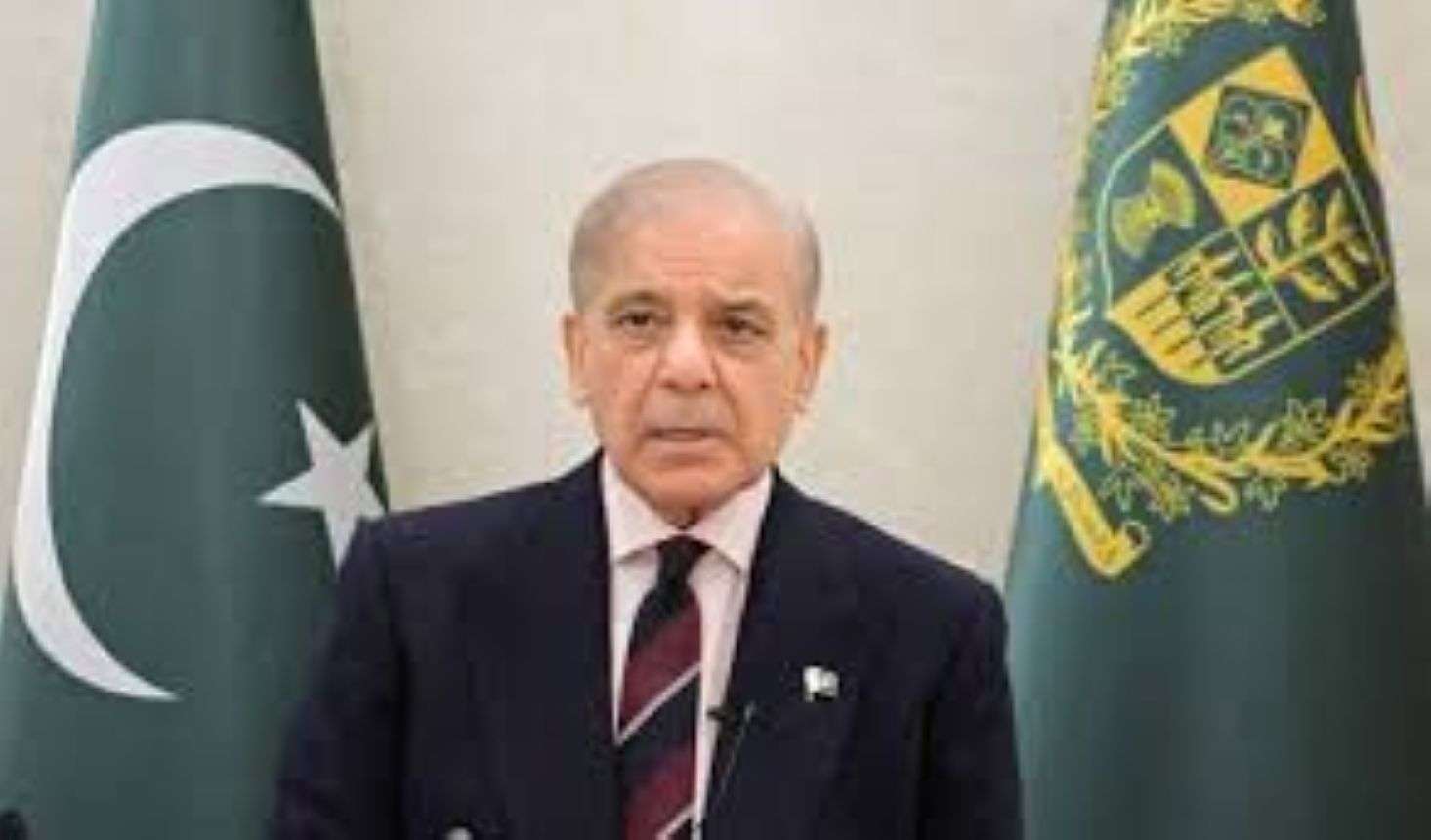
Islamabad: Pakistan Prime Minister Shehbaz Sharif said on Sunday that Iran has conveyed its response to a US proposal aimed at ending the conflict in West Asia, as efforts continued to sustain a fragile regional ceasefire.
Pakistan has been mediating talks between Washington and Tehran amid tensions that have disrupted shipping through the Strait of Hormuz and rattled global energy markets.
Addressing an event marking the first anniversary of Pakistan’s last conflict with India, Sharif on Sunday said: “Right now, the Field Marshal [Asim Munir] informed me that [we have] received Iran’s response. I cannot go further into details.”
According to Iran’s state-run IRNA news agency, Tehran’s proposal envisions the current phase of negotiations focusing exclusively on halting military hostilities in the region.
A source familiar with the discussions told IRNA that the immediate objective is to stabilize the ceasefire before broader issues are addressed.
Sources on both sides told Reuters that the latest diplomatic effort is aimed at reaching a temporary memorandum of understanding that would pause the conflict and reopen the Strait of Hormuz to global shipping traffic.
The proposed framework would also create space for negotiations on more contentious issues, including Iran’s nuclear programme.
The latest exchange follows a US proposal submitted last week, reportedly consisting of a one-page, 14-point memorandum of understanding.
According to reports, the document proposed reopening the Strait of Hormuz while establishing a roadmap for future negotiations over Tehran’s nuclear activities.
The proposal was itself a response to an earlier Iranian initiative that called for lifting parallel American and Iranian blockades in the Gulf region.
Iran has also demanded relief from sanctions and the release of frozen Iranian financial assets as part of any future agreement.
Despite ongoing diplomatic efforts, the Pakistan-brokered ceasefire that came into effect on April 8 is showing signs of increasing pressure.
On Sunday, the United Arab Emirates and Kuwait reported drone incursions into their airspace, while a drone strike reportedly caused a small fire aboard a vessel near the coast of Qatar.
Another drone strike targeted a camp linked to an Iranian Kurdish rebel group near Erbil in northeastern Iraq.
Tensions in the Gulf have remained high as both Washington and Tehran continue efforts to assert control over the Strait of Hormuz, a critical global energy corridor.


