



As West Asia teeters on the brink, the world once again flirts with the unthinkable — a wider war that could spiral into a global confrontation. The killing of Iran’s Supreme Leader, Ali Khamenei, in an alleged US–Israel strike has shaken the region’s fragile balance. Tehran is in flux. Its chain of command appears unsettled. And global capitals are calculating their next moves with a mix of caution and opportunism.
The United States and Israel stand accused of attempting to decapitate Iran’s theocratic leadership in what critics describe as a reckless gamble for regime change. European powers like United Kingdom, France, and Germany have issued stern warnings and hinted at deeper involvement should their interests or assets come under attack. The spectre of bloc politics — reminiscent of Cold War alignments — is no longer theoretical.
On the other side, both China and Russia have condemned the strike. Beijing’s foreign minister reportedly called his Israeli counterpart, denouncing the attack and issuing veiled warnings to Washington. Moscow, meanwhile, declared the killing unacceptable and claimed it is in touch with Iran’s new establishment. Yet seasoned war veterans and international analysts caution against overreading these statements. In volatile theatres, rhetoric often substitutes for resolve. Neither Beijing nor Moscow appears eager to enter direct confrontation with the US over Iran. Their leverage is strategic and economic — not necessarily military.
Iran itself faces uncomfortable scrutiny. With leadership abruptly removed, the coherence of its military responses has been questioned. Reports of retaliatory strikes beyond US military installations — allegedly targeting or threatening locations connected to the UK and even civilian-linked areas near Cyprus — risk diluting Tehran’s moral argument. In asymmetric warfare, perception is power. A headless command structure firing in multiple directions only strengthens the narrative of instability that its adversaries are keen to project.
Against this combustible backdrop, global markets tremble. Oil prices swing wildly. Supply chains, still fragile after the devastation of COVID-19, face renewed disruption. Economies that barely emerged from pandemic-induced recessions now fear another downturn driven by war premiums and energy shocks.
And yet, amid this global anxiety, India’s posture remains measured.
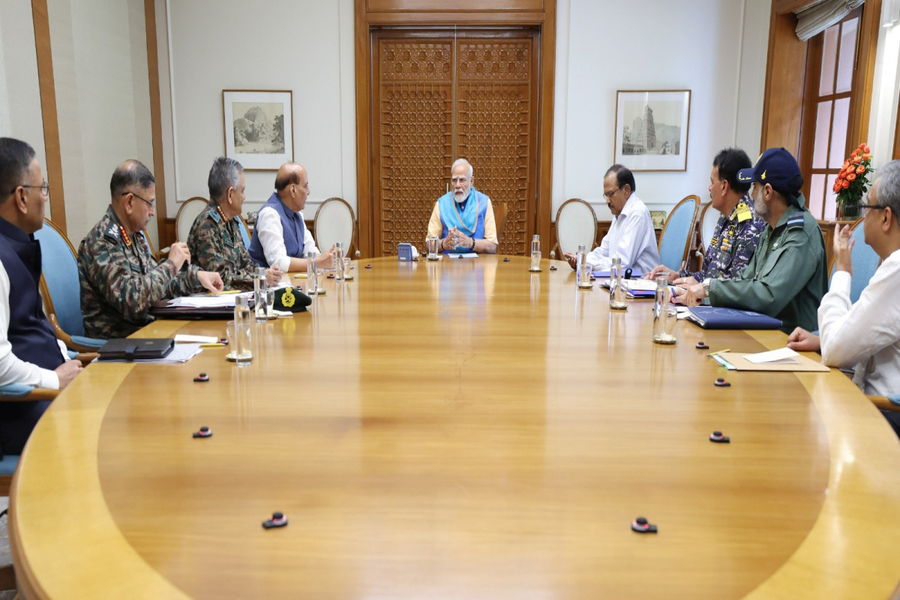
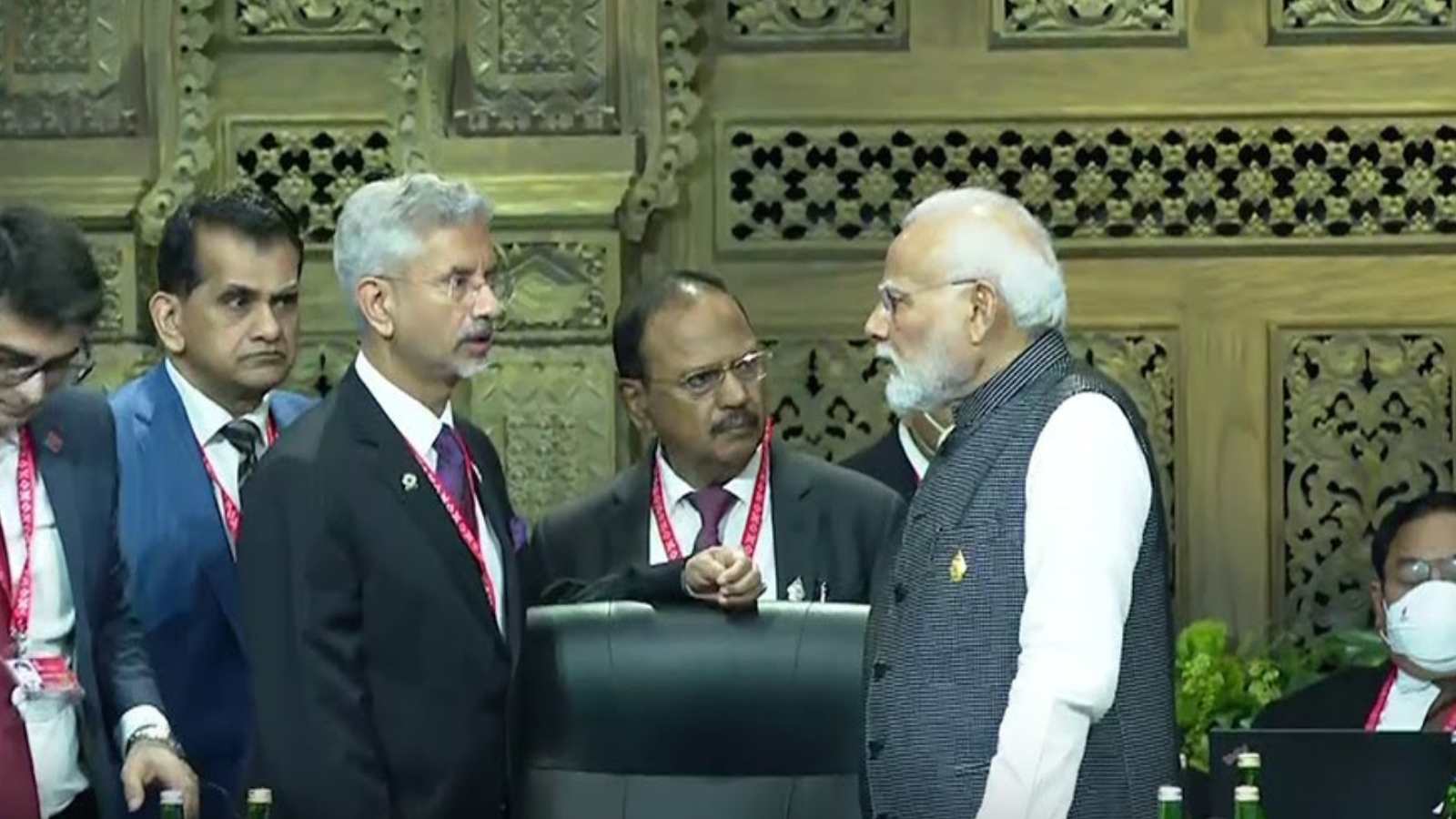
Under Prime Minister Narendra Modi, New Delhi has avoided chest-thumping theatrics. India’s primary concern is pragmatic: safeguarding nearly a crore Indians living and working across Gulf nations, ensuring energy security, and insulating its economy from external turbulence. Diplomacy has been calibrated — neither endorsing unilateral military adventurism nor succumbing to ideological grandstanding.
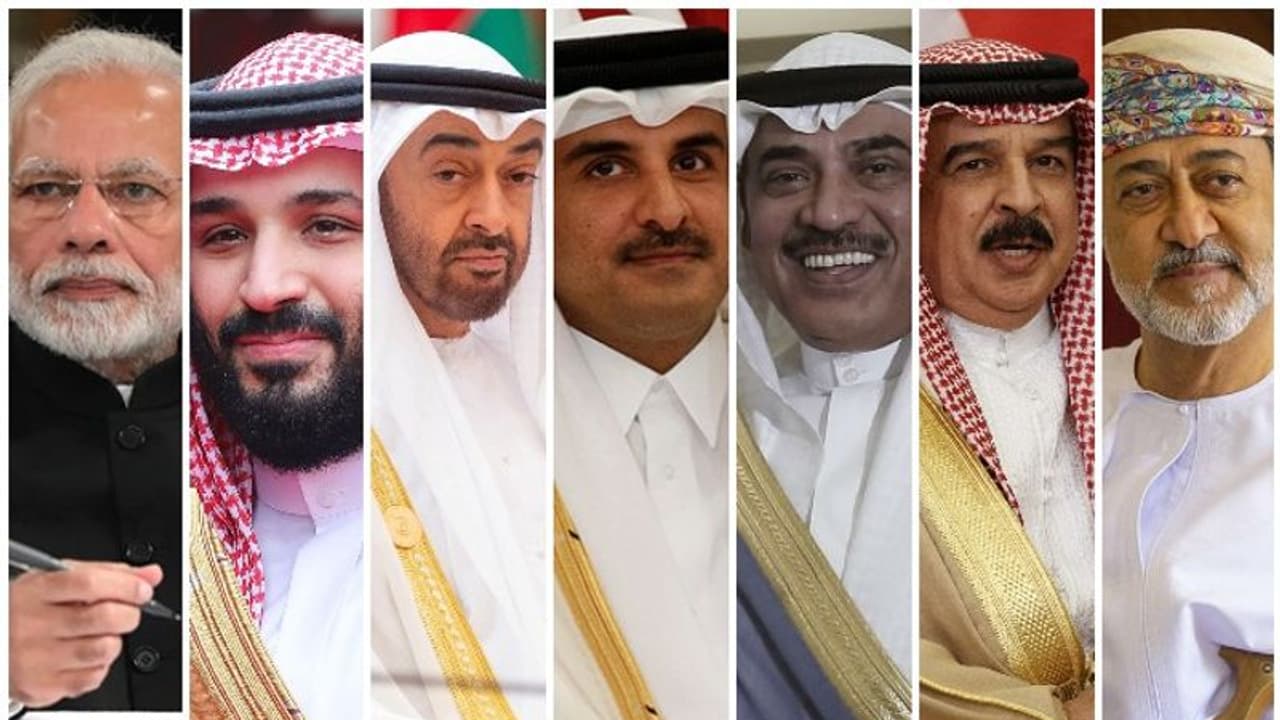
India today is not the hesitant power it once was. Over the past decade, it has built multi-aligned bridges — maintaining strong ties with the US while preserving strategic partnerships with Russia, deepening engagement with West Asia, and expanding influence across Africa. Several African nations and Moscow remain willing to support India’s energy needs, reflecting the credibility New Delhi has accumulated through consistent engagement rather than episodic activism.
Contrast this composure with the domestic noise. Sections of the Opposition, led vocally by Sonia Gandhi, appear eager to inject alarmism into foreign policy discourse. Demanding symbolic parliamentary posturing may satisfy partisan instincts, but geopolitics is not theatre. Interestingly, many Congress allies have displayed far greater caution, aware that outdated foreign policy reflexes — rooted in non-alignment nostalgia without contemporary leverage — offer little guidance in today’s multipolar world.
Hard facts matter. India imports over 80 percent of its crude oil. Any Strait of Hormuz disruption would directly impact domestic inflation and growth. Remittances from West Asia form a significant economic cushion. Military escalation in the Gulf would test evacuation capabilities reminiscent of past crises in Iraq and Kuwait. These are not abstract risks. They are operational challenges requiring preparation, not provocation.
Will China and Russia escalate beyond rhetoric? Unlikely — unless their core strategic interests are directly threatened. Will the US pursue regime change in Iran? Equally uncertain. History shows that external attempts to reshape political systems in West Asia often produce unintended consequences. For now, Iran fights largely alone, navigating both external assault and internal recalibration.
In this fluid landscape, India’s restraint is not weakness; it is strategic maturity. The objective is clear: protect national interests, preserve economic stability, maintain diplomatic flexibility, and avoid entanglement in ideological wars that are not India’s.
As the world edges nervously toward potential conflagration, the real question is not who shouts the loudest, but who navigates the storm with steady hands.
If calm calculation prevails over reckless adventurism, India may well emerge stronger — while its domestic detractors, consumed by political impatience, risk being left behind by both history and public trust.


