


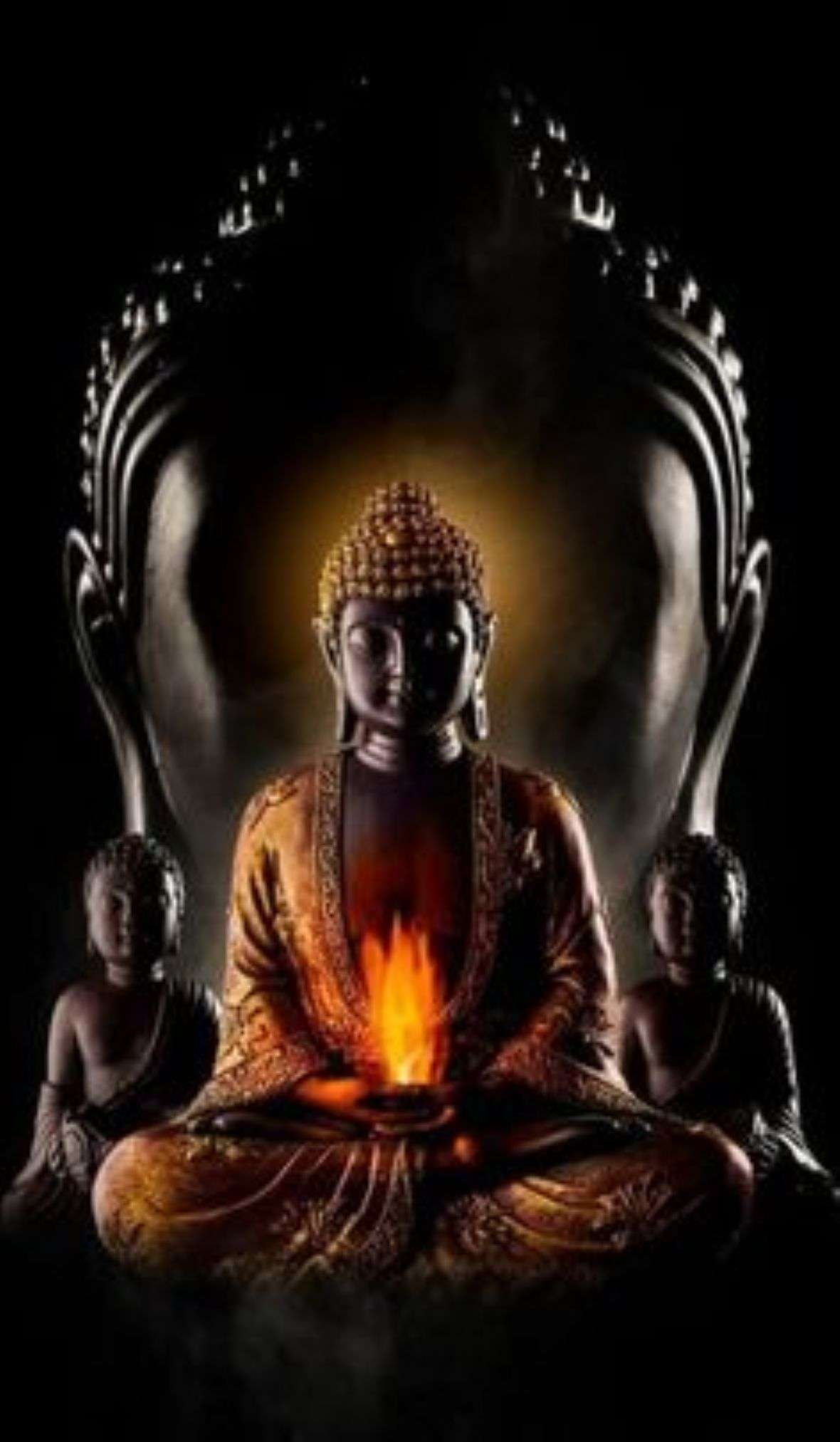
A timeless truth echoes across the ages: the world we experience is shaped by the thoughts we cultivate. To dwell endlessly in the shadows of the past, or to drift into the mirage of the future, is to lose hold of the only reality we truly possess—the present moment. It is here, in this quiet now, that clarity is found and life is truly lived. At the heart of these teachings lies a profound call to self-responsibility—a gentle yet unwavering reminder that our path is not dictated by circumstance alone, but forged through our awareness, choices, and actions. Few have articulated this truth with the depth and compassion of Gautama Buddha, revered across the world as the “Light of Asia.” On his birth anniversary, we are invited not merely to celebrate, but to reflect—to turn inward, to observe, and to realign with the wisdom he so simply yet powerfully revealed. It is a day not of ritual alone, but of renewed understanding. In that spirit, we present this special article as a humble tribute—an offering of thought, reflection, and quiet dedication to a timeless legacy. —Editor
U Lakshman Rao
On the sacred occasion of Buddha Jayanti, we are called to reorient our lives toward the timeless ideals of non-violence, truthfulness, and compassion—the very breath of Buddha Dharma. This day is not merely a commemoration of a historical birth, but a renewal of inner resolve, inviting humanity to walk the path of wisdom and ethical living. It reminds us that true progress lies not in material accumulation, but in the refinement of thought, conduct, and consciousness.
The long history of India has been adorned not merely by kings and conquerors, but by illumined minds that explored the depths of the inner world. Among these towering figures stand Gautama Buddha and Adi Shankaracharya, whose lives were dedicated not to dominion over lands, but to mastery over the self. Their legacy does not reside in monuments of stone, but in the enduring transformation of human consciousness and spiritual aspiration, which continues to guide seekers across ages.
Born as Prince Siddhartha to King Suddhodana, and raised in an atmosphere of luxury, the young heir was carefully shielded from all forms of suffering. His marriage to Yasodhara and the birth of his son Rahula seemed to bind him firmly to worldly life. Yet destiny whispered a deeper calling. When Siddhartha encountered the stark realities of sickness, old age, and death—along with the serene figure of a renunciant—a profound awakening stirred within him. The illusions of comfort dissolved, revealing the universal truth of suffering that pervades existence.
Renouncing the security of palace life, Siddhartha stepped into the vast and uncertain world, driven by an unyielding quest for truth. For years he wandered, engaging in rigorous austerities and exploring diverse philosophical paths. At last, he arrived at Bodh Gaya, where, seated beneath the sacred Bodhi Tree, he resolved not to rise until ultimate understanding was attained. In the stillness of deep meditation, his mind transcended the veils of ignorance. As the night unfolded, layers of truth revealed themselves, until at dawn, Siddhartha emerged transformed—no longer a seeker, but the Buddha, the Enlightened One.
With enlightenment came profound insight into the nature of existence—the realization of suffering, its origin, its cessation, and the path leading to liberation. For a moment, the Buddha contemplated silence, wondering whether such subtle wisdom could be grasped by the world. Yet compassion prevailed. Journeying to Varanasi, he delivered his first discourse, setting in motion the Wheel of Dharma. This marked not merely the beginning of a teaching, but the birth of a transformative movement grounded in clarity, compassion, and disciplined inquiry.
For the next four decades, the Buddha wandered across the plains of northern India, addressing kings and commoners alike. His teachings, expressed in the language of the people, transcended barriers of caste and status. He called upon individuals to walk the path of righteousness with courage and independence—free from fear and attachment. His message resonated deeply: to live like the lotus leaf, untouched by the impurities of the world, and to seek liberation through right understanding, right conduct, and right mindfulness.
The establishment of the Sangha, the monastic community, ensured that his teachings would endure beyond his lifetime. After his passing at Kushinagar, the Dharma continued to spread, revitalizing the moral and intellectual life of society. It offered clarity in an age clouded by ritual excess, superstition, and speculative philosophy, redirecting attention from external rites to inner transformation and ethical discipline.
The influence of the Buddha reached a remarkable zenith during the reign of Ashoka. After witnessing the horrors of the Kalinga War, Ashoka renounced violence and embraced Dharma as the guiding principle of governance. Through his edicts, he propagated compassion, tolerance, and service, sending emissaries across regions and transforming Buddhism into a global force that illuminated much of Asia.
At its philosophical core, Buddhism is a path of self-mastery and awakening. It rejects blind ritualism and rigid absolutism, inviting each individual to seek truth through personal experience and disciplined awareness. The Buddha never claimed divinity; rather, he stood as a living example of what human effort and insight can achieve. His final exhortation to his disciple Ananda—to be a light unto oneself—remains a timeless call to inner responsibility and freedom.
In its historical context, Buddhism arose during a period of profound transition in Indian society, particularly in regions such as Magadha. It responded to a deep spiritual hunger, offering a balanced path between material indulgence and extreme asceticism. By giving structure and clarity to the spirit of inquiry that had begun to emerge in the later Vedic age, it shaped a movement that was both accessible and transformative.
Even today, the teachings of the Buddha retain their enduring relevance. In a world driven by restless desires and material pursuits, his emphasis on mindfulness, compassion, and ethical living offers a path toward balance and clarity. The sacred observance of Buddha Jayanti renews this vision each year, reminding humanity that true peace begins within and radiates outward into society.
Thus, from the silent enlightenment beneath a tree to the vast transformation of civilizations, the journey of the Buddha stands as one of the most profound narratives in human history—a testament to the power of introspection, the courage of renunciation, and the boundless potential of awakened consciousness.


Excellent tribute to Buddhist Thought, simple yet deeply insightful, like a steady river flowing right from it’s origin to becoming a part of the ocean.👌🏼👌🏼
Buddham sharanam Gachami
( one’s own mind and its thought process is the ultimate step towards enlightenment..therefore I seek to surrender)
Dharmam Sharanam Gachami
( Courage to choose path of Truth and righteousness)
Sangham Sharanam Gachami.
( Not only individually but also collectively as a society of human thought, endeavour to make an impact and contribute one’s own best to universality)
Editors preface and the entire write up beautifully sums up the essence of Buddha’s journey towards enlightenment.👏🏻👏🏻🙏🏻