

Cricket, like all living organisms, evolves. And in today’s game—particularly in the high-octane environment of leagues like the Indian Premier League—the change is not gradual, it is ruthless. What was once considered classical is now outdated. What worked yesterday can expose you today. The idea of “360-degree cricket” is no longer revolutionary; in fact, it is fast becoming redundant.
Modern bowlers have quietly rewritten the rulebook. The old temptation to pitch the ball up and invite the drive has been replaced by a far more calculated approach—good length and short of a good length. It is a subtle but decisive shift. Bowlers now force batsmen onto the back foot, cramping them for room and time. As a result, the traditional flick over square leg—once a bread-and-butter scoring option—has faded into near extinction. The new scoring arc lies squarer, often over or around the short midwicket fielder, demanding not just timing but innovation.
Watch the modern greats like Virat Kohli or the ever-inventive Suryakumar Yadav, alongside emerging talents like Sanju Samson. Their success is built on patience as much as aggression. They wait on the back foot, read the length early, and then decide—often in a fraction of a second—whether to attack or defend. This is not instinct alone; it is adaptation in its purest form.
Contrast this with the masters of an earlier era. Players like Mushtaq Ali, Hanumant Singh, Vijay Manjrekar, Polly Umrigar, SM Gavaskar and Gundappa Viswanath thrived by playing deep in the crease. They accumulated runs methodically, their records a testament to consistency and technique. Even among them, the great C. K. Nayudu stood apart—an exception who blended aggression with flair.
Yet, the underlying principle remains unchanged across eras: batting is dictated by bowling. The best batsmen are those who adjust—not impose. One-dimensional players, however talented, are eventually found out. Even someone as gifted as Suryakumar Yadav has faced phases of struggle when adaptability momentarily deserts him.
History offers powerful lessons. The famous transformation of Sachin Tendulkar during his tour of Australia—where he consciously shelved certain strokes to counter hostile bowling—remains a masterclass in adjustment. On the flip side, even legends like Sourav Ganguly have had their vulnerabilities exposed under relentless pressure. Cricket does not reward reputation; it rewards response.
If batting and bowling have evolved, fielding has undergone nothing short of a revolution. Today, fielding is not a supporting skill—it is central to a player’s survival. Matches in the IPL are often defined as much by a stunning catch or a lightning stop as by a century or a five-wicket haul. The athleticism on display is breathtaking. The ball seems to stick to the hands “like magic,” and misfields are rare to the point of being shocking. Our own Hyderabadi, Maheh Mohan Lal, was brilliant as a fielder who also bowled the Chinamen.
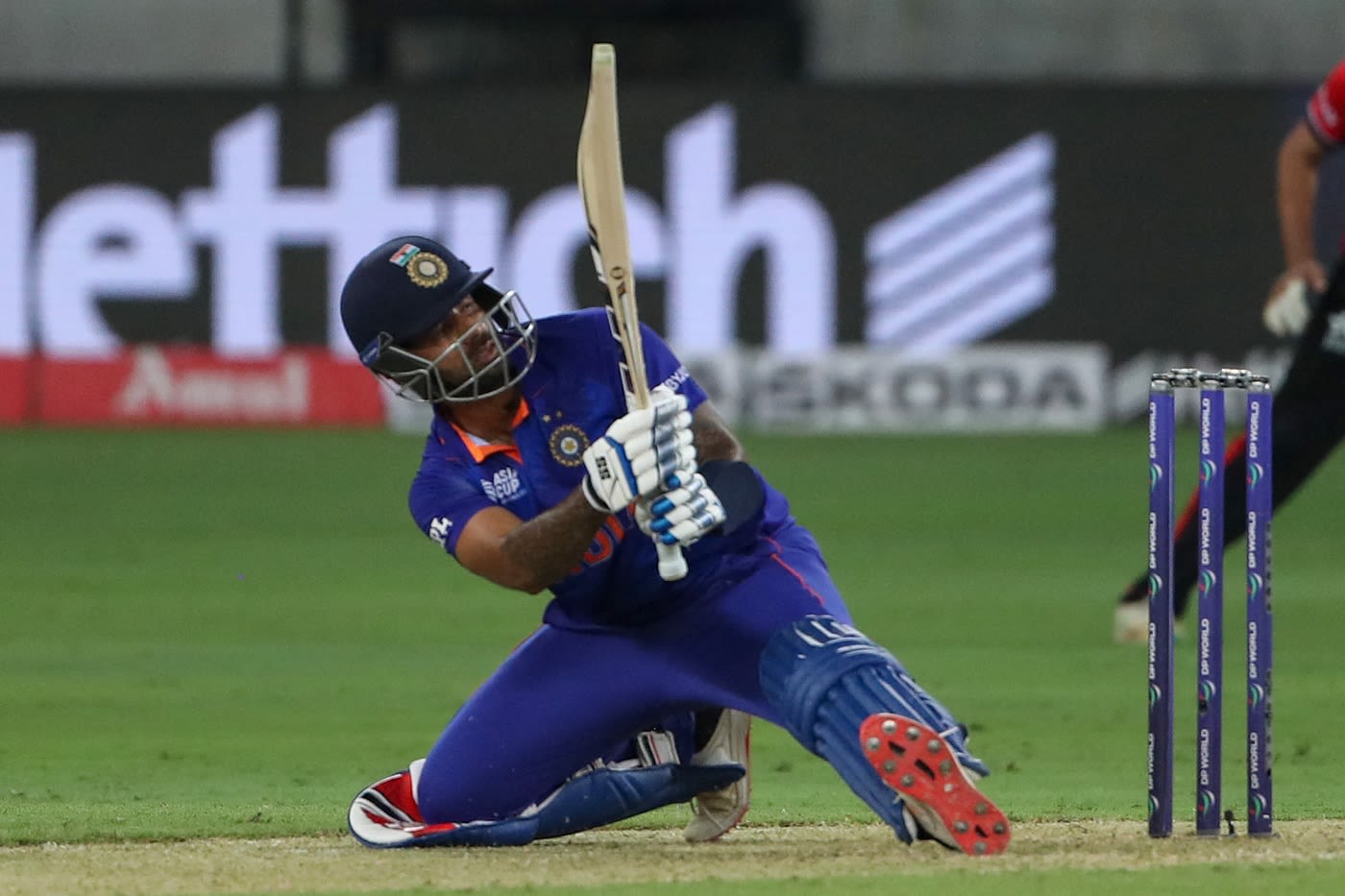
Think of the gravity-defying efforts from players like Axar Patel or Shreyas Iyer—moments that can turn games on their head. A dropped catch today is not just an error; it is often a match-losing moment. In contrast, earlier generations produced exceptional fielders like Nawab of Pataudi, Rusi Surti, Brijesh Patel, and the legendary Eknath Solkar, besides whose brilliance set benchmarks in close-in catching.
The message now is uncompromising: if you cannot field, you cannot play. There are no exemptions—not even for fast bowlers, who once got away with minimal contributions in the field. Exposure in fielding today can cost a player his career trajectory.
Indian cricket, in many respects, has surged ahead—batting depth, fast bowling resources, and fielding standards have all improved dramatically. But one department continues to raise uncomfortable questions: spin bowling. Once the crown jewel of Indian cricket, it now appears to lack the bite and craft seen in counterparts from Australia, South Africa, England, and Sri Lanka.
The problem, perhaps, lies in approach. The increasing tendency to bowl flat and defensive lines has diluted the essence of spin—flight, deception, and turn. Coaches and systems must revisit this philosophy, encouraging spinners to attack rather than contain.
In the end, cricket remains a simple game governed by a complex truth: evolve or be left behind. Technique, temperament, and adaptability are no longer virtues—they are necessities.