


MS Shanker
If democracy were a serious examination of governance, public policy and fiscal prudence, then Tamil Nadu elections would occasionally resemble a giant audio launch function accidentally conducted inside a polling booth.
For decades now, the state has elevated political theatre into a full-fledged performing art. The voter does not merely elect governments; he auditions heroes. Manifestos are no longer governance documents. They are screenplay drafts. Political rallies are not ideological contests. They are fan club reunions with background music, emotional dialogues and slow-motion hand waves.
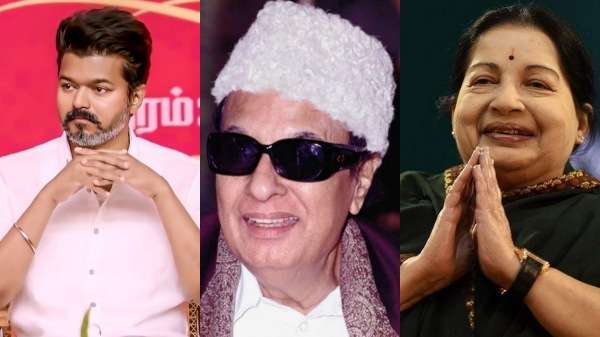
And now enters the latest superstar-turned-saviour — Joseph Vijay — whose party TVK has managed to stop just short of power, like a blockbuster movie that forgot to shoot its climax.
The arithmetic itself reads like a tragic comedy. In the 234-member Assembly, TVK got 108 seats and now desperately requires another 10-12 legislators to cross the magical halfway mark. Not exactly a mandate. More like a political “to be continued…”
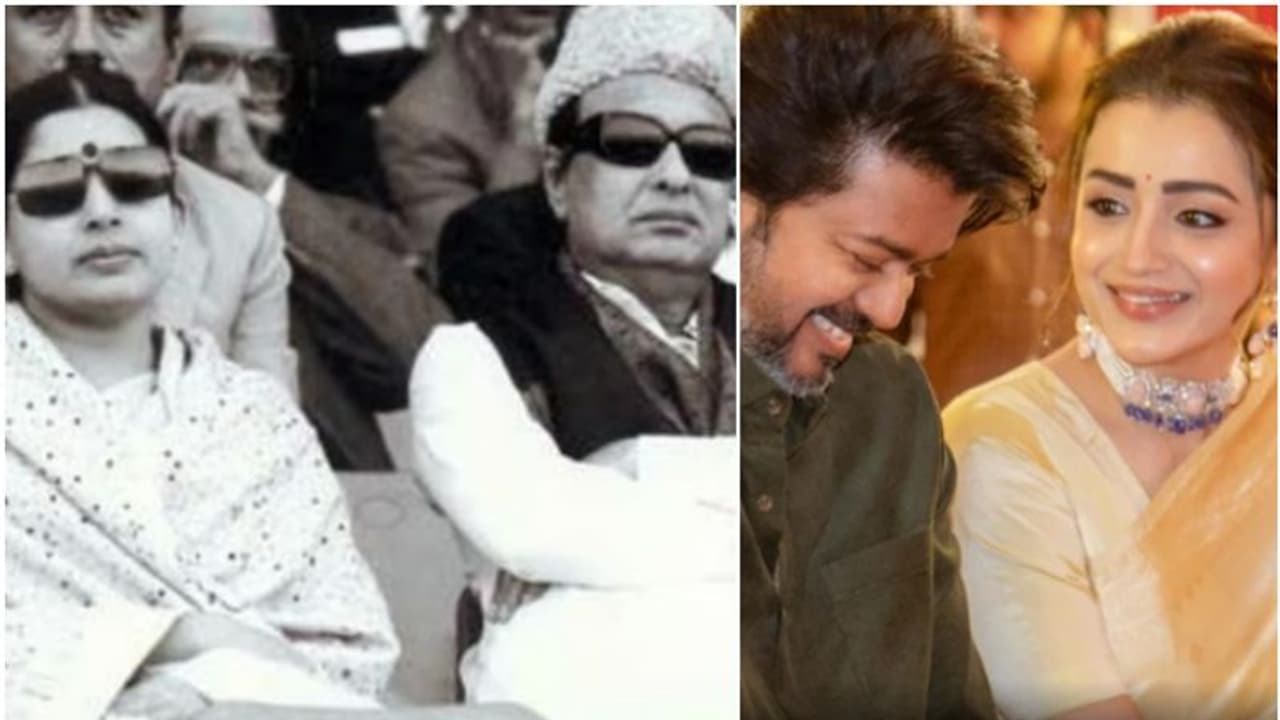
Yet, in India’s great circus of ideological flexibility, the Indian National Congress — which contested alongside the Dravida Munnetra Kazhagam and won a princely total of five seats — suddenly discovered a deep emotional bond with Vijay and rushed to support him.
Poor M. K. Stalin must be wondering whether alliances in Indian politics now come with “exchange offers.”
The comedy becomes richer when one remembers that in neighbouring Kerala, the Congress-led UDF just defeated the Left parties with full revolutionary fury. There, communists are dangerous threats to democracy. Here, in Tamil Nadu, the same Left parties with two MLAs suddenly become potential protectors of democracy if they support TVK.
Indian politics truly deserves a wildlife documentary narration:
“Observe. In one habitat, these species attack each other violently. In another habitat, they migrate together peacefully in search of ministerial portfolios.”
Indeed, the old saying “politics makes strange bedfellows” feels outdated now. Indian politics has upgraded from bedfellows to full-fledged live-in relationships without ideological commitment.
But beyond the entertainment lies the bigger question — can an inexperienced Vijay provide a stable government with a wafer-thin majority stitched together through panic, pressure and post-poll bargaining?
That is where the real fun begins.
Six Free Cylinders and Other Fantasy Adventures
Among the most discussed promises of TVK was its spectacular offer of six free gas cylinders to every household.
At a time when the Strait of Hormuz remains one geopolitical sneeze away from a global energy crisis, Tamil Nadu voters were apparently told that LPG cylinders would descend from the heavens like divine blessings from a movie climax scene.
Social media, predictably, had a field day.
Some joked that Vijay’s first diplomatic mission as Chief Minister might be to personally resolve tensions in West Asia. Others sarcastically suggested that if LPG prices continue rising, Tamil Nadu may have to annex oil fields from Iran before Deepavali.
One meme reportedly showed Vijay standing beside fighter jets captioned:
“Operation Free Cylinder.”
Another asked whether the proposed state budget would be presented by the Finance Minister or by a fantasy novelist.
And therein lies the tragedy disguised as humour.
For years, political parties across India — especially in Tamil Nadu — have converted elections into auction markets. One promises mixers. Another promises grinders. A third offers cash transfers. Someone else promises scooters, laptops, goats, cows, gold or heavenly salvation.
The voter, instead of asking:
- What is your industrial policy?
- How will you create jobs?
- What about debt?
- What about education standards?
- What about investment?
…asks instead:
“How many freebies per family?”
This is not welfare politics anymore. This is competitive bribery wrapped in emotional populism.
Ironically, many former bureaucrats and economists have repeatedly warned that reckless freebies can wreck state finances and burden future generations. But who listens?
Certainly not political parties.
After all, even the Bharatiya Janata Party — which often lectures about fiscal discipline — happily entered the freebie Olympics elsewhere by offering generous cash schemes during elections in West Bengal.
In Indian politics, opposing freebies while in opposition and distributing freebies while in competition has become an accepted constitutional tradition.
Governor’s Mansion: The New Thriller Location
Now comes the post-election suspense thriller.
Vijay and his newly acquired Congress supporters may march dramatically to Raj Bhavan claiming the right to form government. But the Governor is unlikely to be impressed merely by celebrity charisma and fan whistles.
The constitutional question remains brutally simple:
“Where is 118?”
And suddenly, Tamil Nadu politics begins resembling a hostage negotiation mixed with stock market speculation.
The Governor essentially has several choices:
Option One:
Invite TVK as the single largest party and ask it to prove a majority within 48-72 hours.
This would trigger the famous Indian political ritual known as “resort democracy,” where MLAs mysteriously disappear into luxury hotels for “spiritual reflection” until the floor test concludes.
Option Two:
Invite the DMK-led bloc, arguing that post-poll coalitions are fluid and alternative combinations exist.
This would unleash enough television debates to keep news anchors employed for six months.
Meanwhile, rumours are already floating like confetti in a wedding hall that nearly 40 out of 47 All India Anna Dravida Munnetra Kazhagam MLAs may support TVK.
Naturally, reports also suggest legislators are being transported to Puducherry — because no Indian political crisis is complete without mysterious buses, luxury resorts and MLAs suddenly becoming inaccessible to phone calls.
Indian democracy may soon officially include tourism as a constitutional process.
If these supporting MLAs provide written assurances, TVK may scrape through. But if that support collapses even marginally, the government could fall faster than a poorly reviewed first-day-first-show film.
On the other hand, imagine the alternative absurdity.
Suppose the DMK and AIADMK indirectly cooperate.
For six decades, these two Dravidian giants have fought elections like sworn blood rivals. Their cadres have spent generations abusing each other with religious passion. Families split over loyalties. Entire political identities were built on mutual hatred.
And yet, Indian politics being Indian politics, arithmetic may suddenly transform enemies into guardians of stability.
What ideology cannot achieve, hung Assembly numbers certainly can.
The Cult of Personality Continues
Tamil Nadu perhaps represents India’s greatest experiment in political idol worship.
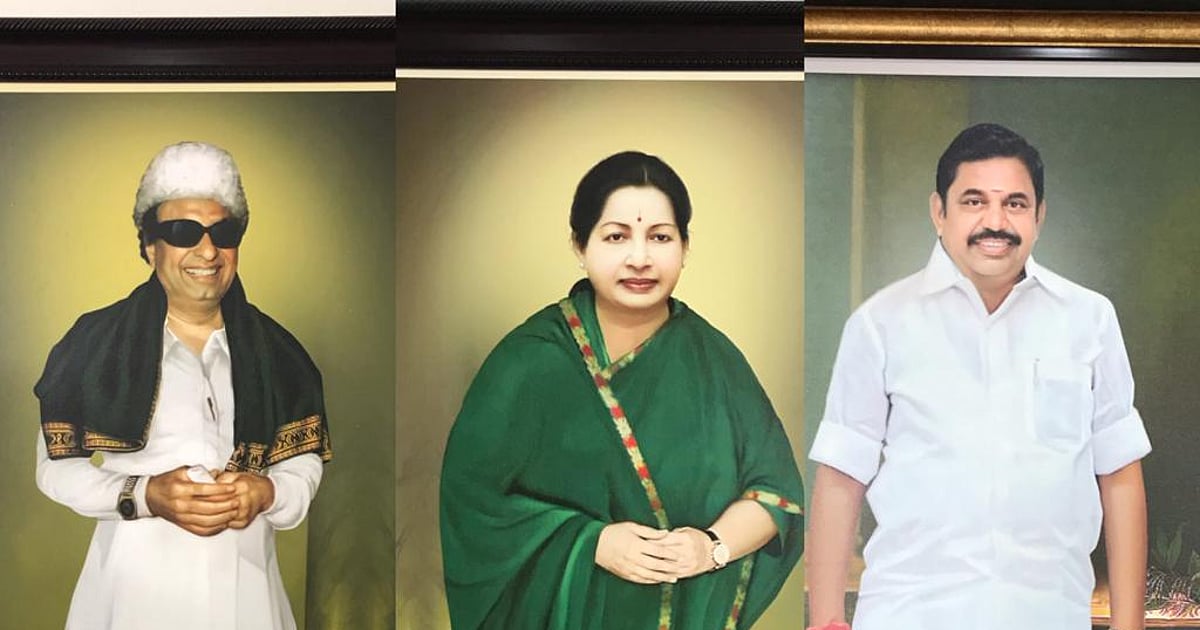
From E. V. Ramasamy to M. G. Ramachandran to J. Jayalalithaa, politics in the state has often revolved less around institutions and more around larger-than-life personalities.
Leaders are not merely admired. They are deified.
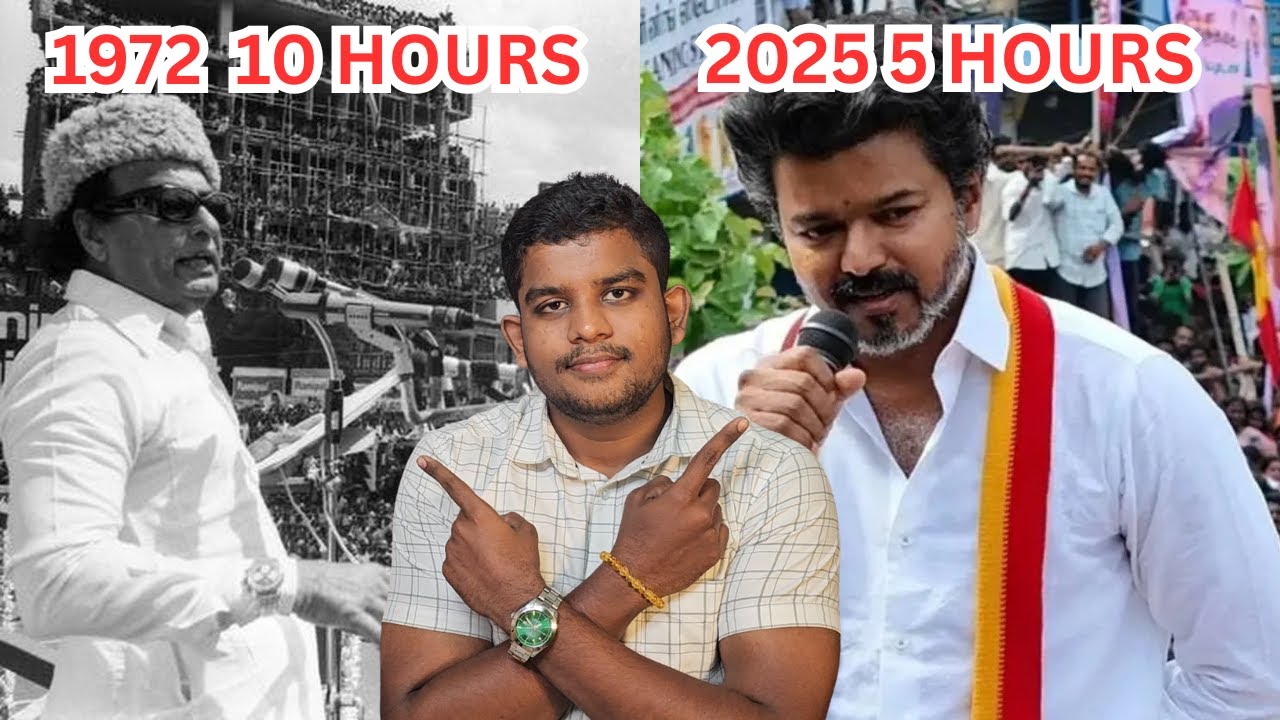
Cut-outs become taller than public buildings. Fans cry emotionally during speeches. Party offices resemble temples. Rational political evaluation disappears beneath cinematic devotion.
And that culture now risks reproducing itself once again.
The dangerous part is not that actors enter politics. Democracy permits anyone to contest. The real danger begins when voters stop behaving like citizens and start behaving like fan club members.
A government is not a movie release.
A Chief Minister is not a mass hero delivering punch dialogues before interval.
Budgets cannot run on fan enthusiasm.
Debt cannot be repaid through first-day box-office collections.
And governance cannot survive forever on emotional hysteria.
Democracy Is Not a Comedy Track
Tamil Nadu’s fractured verdict may provide endless entertainment for television studios, meme creators and political gamblers. But unstable mandates carry serious consequences.
Investors hesitate.
Administration slows.
Policy paralysis deepens.
Horse-trading flourishes.
Governance becomes secondary while survival arithmetic dominates daily politics.
The electorate, therefore, must reflect seriously.
Democracy is not merely about the right to vote. It is equally important to vote wisely.
When elections become popularity contests driven by celebrity worship, emotional manipulation and impossible freebies, governance eventually becomes hostage to instability and opportunism.
Tamil Nadu’s voters have repeatedly shown extraordinary political passion. What they now need is greater political prudence.
Because if electoral verdicts continue resembling reality show finales rather than constitutional exercises, then democracy itself risks becoming a public joke — expensive, noisy and dangerously unstable.
very interesting analysis. Politics in India has always been comedy. Except Kerala, voters educated or otherwise rarely think and vote. Many films in India, the last one Jawan, hero was made to deliver a dialogue, even when we buy a ball pen for just 5 rupees we test to see whether it’s writing well etc. But when we elect we simply get influenced. AAP was one such example because it was taking on Congress (rightly so) every party opposed Congress were happy and educated voters got carried away. We have MPs Like Ramdas Athawale. He openly said in Parliament he change parties depending on Hava.
Well said “ The dangerous part is not that actors enter politics. Democracy permits anyone to contest. The real danger begins when voters stop behaving like citizens and start behaving like fan club members.”
For so called educated , developed state hilarious
well said Shankar sir. very nice.
After a long time came through a factual humorous analysis on real politik of Indian scenarios. Punches will become political evergreen quotes .. patent them 😂Reminds us that old song pictured on Amol palekar in Golmaal … title song “ Golmaal hye byee Golmaal hye “ ..
excellent reflections of political realities.
TN is an apt example of the conundrum – whether life imitates art or art imitates life. The dividing line between reel and real life has long since ceased to exist in TN. Tamil politics is a study in enigma. Elusive and yet effervescent. Elevating screen heroes and attributing near divinity to their persona characterises TN voter behaviour. Underneath such unbridled passion perhaps lies a deep-seated frustration with mundane life which compels them to take fantasy trips to imaginary world where the reel hero materialises in human form with Mannah. Such has been the story of TN politics which explains rise of Ramachadran and Jaya Amma , both matinee idols. Vijay kant and Kamal however came as cameo. In seeing Vijay as yet another reel hero descending into real world and liberate them from the distress of daily life( six LPG cylinders, silk sarees and gold to cite a few) the TN voter had only reprised the script long since enacted.
Indeed Vijay’s win should trigger another round of renewed interest of social scientists -political, social and behavioural – and they will do well to attempt an explanation of TN voter’s engagement with screen heroes.
Will Vijay deliver ? This question should not occur since we are used to screen scripts which rarely ended with hero falling flat.
Wonderful Sir