Vinay Rao
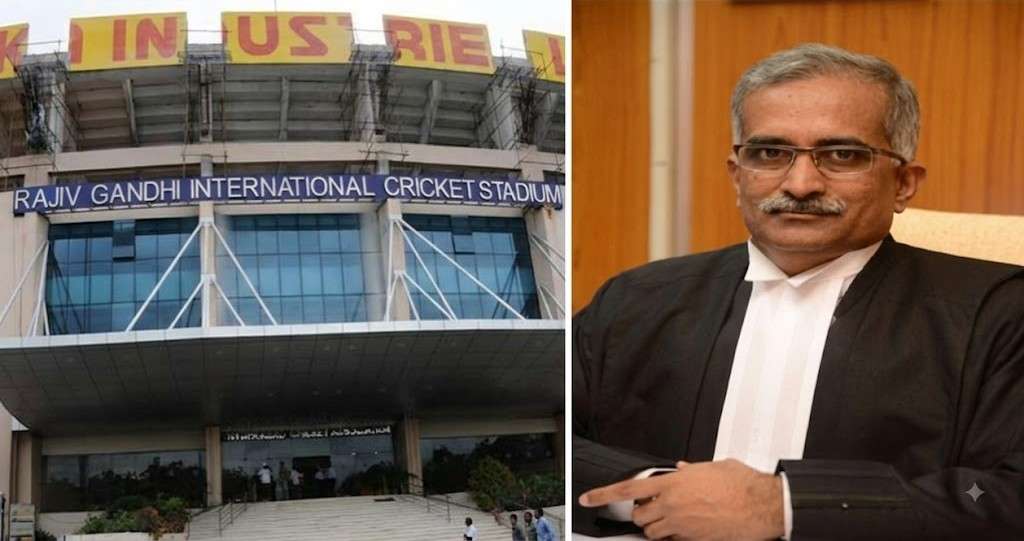
In a major step towards restoring credibility in cricket administration, the Hyderabad Cricket Association (HCA) has initiated a series of reforms under judicial oversight, following the High Court’s directive to the state government to constitute a Special Investigation Team (SIT) to probe allegations of corruption and mismanagement within the body.
The court-appointed supervisory mechanism, led by former High Court judge Justice P. Naveen Rao, has been vested with significant authority to steer corrective measures. His intervention comes amid mounting scrutiny over the HCA’s functioning—issues that were consistently highlighted by Orangenews9 through a sustained campaign over the past 8–10 months, bringing administrative irregularities and governance failures into sharp public focus.
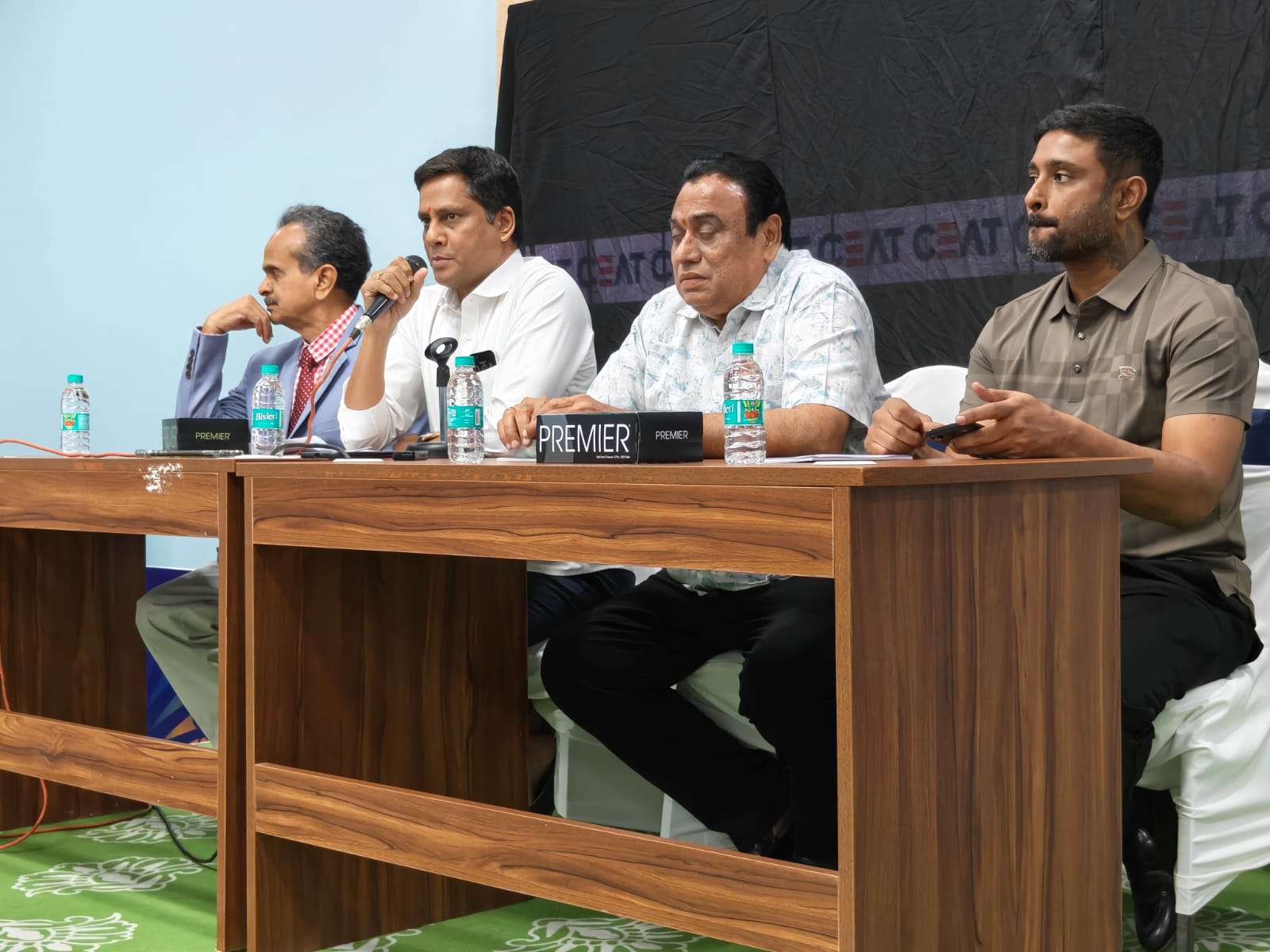
Acting with unusual urgency, the HCA convened a press conference on Tuesday to announce a slew of reforms—even before the formal notification of the SIT, which is expected to be headed by a serving IPS officer.
The presence of HCA President and Secretary M. Jeevan Reddy at the briefing signalled that the reforms are being routed through the association’s elected body, under the broader supervision of the court-appointed panel.
The event took a significant turn with the arrival of former India cricketer Ambati Rayudu, whose appointment as Head of Cricketing Operations was formally announced. His inclusion marks a notable shift towards integrating cricketing expertise into the administrative framework.
It is reliably learnt that the appointment was largely the result of efforts by the newly elected Secretary, Jeevan Reddy, who took the initiative to convince a reluctant Rayudu, wary of associating himself with an already discredited body. It was Jeevan Reddy who is understood to have assured him a “free hand” to function independently, with full autonomy in decision-making, in the larger interest of the game, and to help restore Hyderabad’s standing as a strong cricketing centre.
Rayudu, who has risen through the ranks of Hyderabad cricket, is expected to play a pivotal role in restructuring the state’s cricketing ecosystem. Speaking on the occasion, he emphasised the need to create a fair and transparent system that offers equal opportunities to emerging players, while ensuring that talent from Hyderabad and Telangana has a clear and credible pathway to higher levels.
The HCA also outlined a set of structural reforms aimed at addressing long-standing gaps. These include the establishment of a professional cricket operations framework, the creation of an independent anti-corruption unit headed by a retired judge, and the introduction of a formal grievance redressal mechanism for players and stakeholders.
In addition, plans were announced for an Academy of Excellence to strengthen grassroots development, along with efforts to upgrade infrastructure across cricketing venues in the state.
Officials indicated that the reform agenda would focus on systemic changes such as transparent selection processes, technology-driven allocation of umpires and officials, and strict enforcement of anti-corruption norms. The emphasis is on institutionalising processes that prioritise performance and accountability over discretion.
While the HCA has announced reforms in the past, observers note that the current phase appears more structured, given the alignment between judicial oversight, administrative action, and cricketing input. Justice Naveen Rao’s supervisory role is expected to ensure accountability, while the association’s leadership is tasked with execution. Rayudu’s involvement, meanwhile, is seen as a bridge between governance and the needs of players.
The SIT probe, once constituted, is likely to further shape the course of action by examining past decisions and fixing accountability where required.
For stakeholders who have long called for transparency—including players, clubs, and cricket followers—these developments offer cautious optimism. The coming months will be critical in determining whether the announced reforms translate into lasting institutional change.
For now, the signals are clear: the clean-up of Hyderabad cricket has begun, with oversight, intent, and execution finally converging.