If you have ever stopped a quarrel at a public tap, you are overqualified for the Nobel Peace Prize. Two women, three buckets, zero patience – and you step in with a firm ‘enough’. Peace restored. All that remains is a recommendation letter. Preferably from the same people who were just pulling each other’s hair.
This is not a rare skill. Across India, wherever municipal water dictates the timetable, tempers rise on cue. And yet, order is restored – not by treaties or summits, but by a passing Samaritan who refuses to let a bucket become a weapon. If peace is about preventing conflict, our water lines are full of unsung laureates.
From taps to Tehran
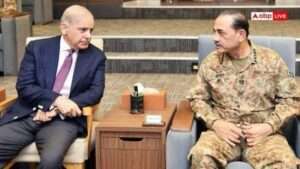
Meanwhile, the Punjab Assembly in Pakistan has decided to think bigger. It has passed a resolution recommending its prime minister and army chief for the Nobel Peace Prize 2026 – for allegedly helping ease tensions between the United States and Iran.
It is a bold claim. Mediating between Washington and Tehran is not quite the same as separating two neighbours at a tap. Then again, confidence has always been the first step in diplomacy – evidence can follow.
Another provincial assembly [Khyber-Pakhtunkhwa] has joined the chorus, because peace, like most good things in the subcontinent, improves with numbers. If resolutions could secure peace, the region would have been tranquil decades ago.
The nomination economy
There is a pattern here. Last year, US President Donald Trump made it clear he deserved the Nobel for stopping multiple conflicts, including an India–Pakistan episode following the massacre of 26 innocent Indians, mostly Hindus, by Pakistani jihadist terrorists.
Pakistan’s leadership obligingly backed his claim with a nomination. It was a neat arrangement – one side asserts peace, the other certifies it.
This year, the certifiers have certified themselves. It is an elegant upgrade. Why outsource validation when you can pass a resolution?
Peace, officially declared
The language, of course, is impeccable – ‘highly effective diplomatic role’, ‘regional stability’. These phrases do not just describe peace; they manufacture it, at least on paper.
The small technicality is that this is only a recommendation. The Norwegian committee in Oslo follows its own process. It may or may not be moved by the enthusiasm of provincial assemblies. But then, hope is the first draft of every nomination.
Back home, the tap tells a simpler story. No resolutions, no claims of global stability. Just a brief flare-up, a timely intervention, and a return to order. No one issues a press note. No one seeks international recognition. The peace holds anyway.
Generous endorsements
Perhaps the Nobel Committee should spend a week at an Indian water line. It will witness conflict, negotiation and resolution in their purest forms – with real stakes and immediate outcomes.
Until then, the prize will continue to attract grand claims and generous endorsements. From assembly halls to global podiums, everyone seems eager to be seen as a peacemaker.
At the tap, however, peace does not need a citation. It just needs someone to say, ‘enough’, and mean it.