



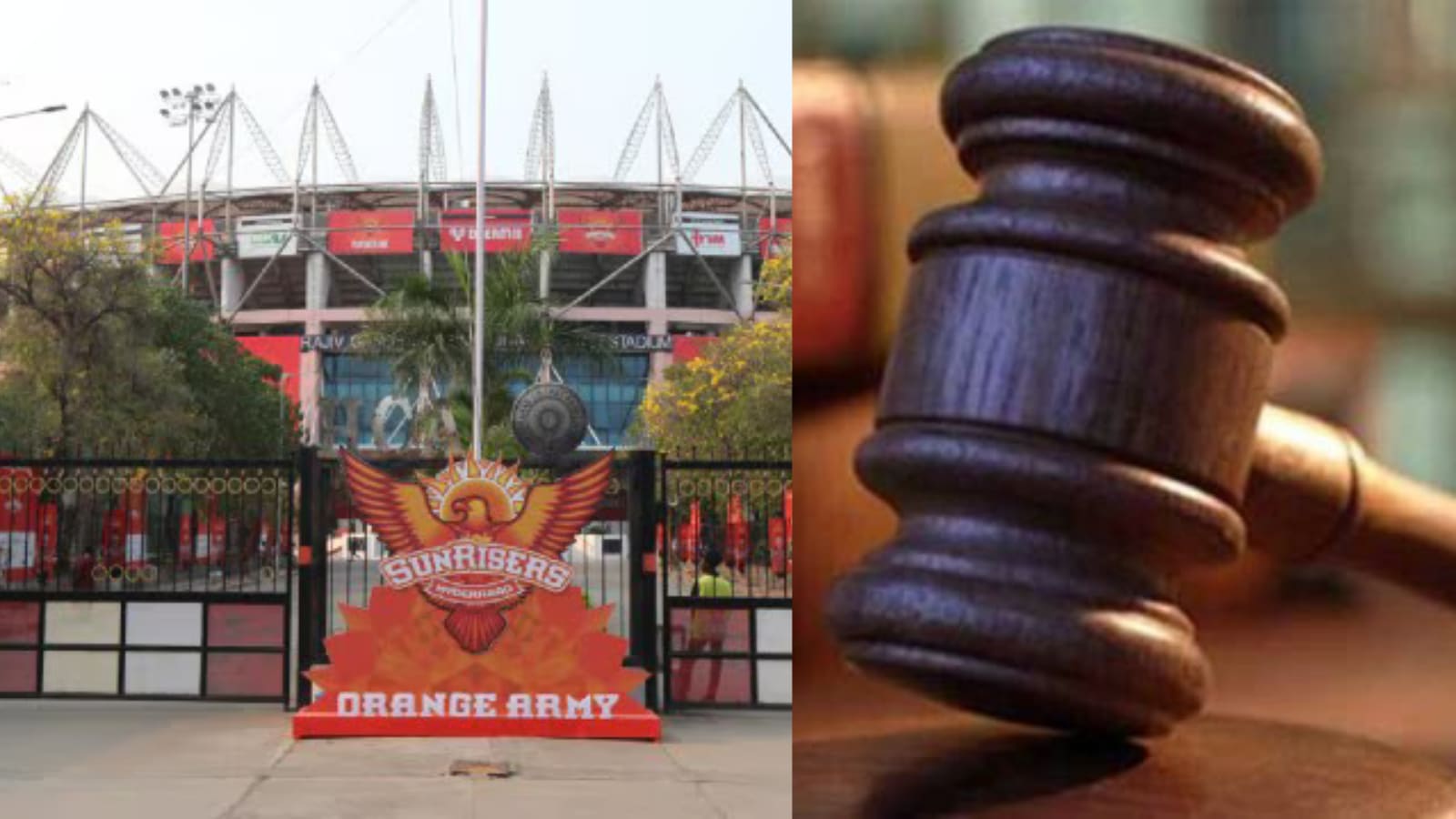
The long-simmering crisis within the Hyderabad Cricket Association (HCA) has now reached a decisive legal crossroads. The former suspended Secretary, Devraj, has approached the Telangana High Court, challenging the election notification issued by what he terms a “truncated” Apex Council through an Election Committee Chief whose authority itself is under a cloud.
The Election Commissioner has already issued a notification to conduct polls to fill the posts of Secretary and Treasurer—positions currently under suspension. Critics argue that this move brazenly violates the HCA Rule Book and sidesteps due process. At the heart of the dispute lies a fundamental question: can elections be rushed through when the legality of suspensions and the authority of those ordering polls remain contested?
For many long-suffering stakeholders and genuine lovers of the game, this is not merely about one individual’s post. It is about institutional survival. It is about whether governance in HCA will continue to be reduced to factional maneuvering and financial opportunism, or whether the Court will restore procedural discipline.
The High Court, after hearing both sides, has reserved its verdict. No responsible platform would attempt to prejudge the outcome. Yet the suspense is palpable. For the minority of well-wishers who have consistently spoken against alleged administrative excesses—despite the political overtones and the involvement of a ruling party Minister—the verdict represents a sliver of hope.
Simultaneously, troubling optics have emerged. A group of club secretaries reportedly gathered at a private star hotel in Hyderabad for what was described as a “breakfast meeting,” where the decision to proceed with elections was openly celebrated. Critics see this not as routine consultation but as an orchestrated endorsement.
Allegations continue to swirl about financial inducements and political brokering. Observers point to the annual grants from the Board of Control for Cricket in India (BCCI)—reportedly ₹6–7 lakh per club per annum—intended for nurturing players and promoting cricketing infrastructure. Instead, detractors allege that these funds have too often become instruments of influence, ensuring loyalty rather than accountability.
There are also renewed murmurs about the role of certain former administrators and even ex-cricketers, described by critics as “power brokers,” who allegedly facilitated arrangements benefiting political interests. Questions have previously been raised in these columns about a private company linked to a senior functionary and incomplete financial commitments related to a stadium project on government-leased land. Those issues remain matters of record and public debate. For now, the focus is squarely on the legal battle unfolding before the High Court.
Devraj’s petition rests on a simple but powerful premise: he has not been proven guilty by any designated court of law. Therefore, he contends, initiating elections to his post amounts to prejudging his case and rendering due process meaningless. Sources close to him insist he remains confident, claiming he was the victim of a calculated conspiracy engineered to oust him.
He reportedly maintains that during his tenure, BCCI grants were placed in fixed deposits to safeguard HCA’s financial stability and ensure smooth administrative functioning, alongside revenues from the Indian Premier League. According to confidants, he chose to challenge the election notification only after “deep soul-searching,” resisting what he allegedly describes as attempts to silence him through monetary inducements.
“My silence would have been seen as admission,” he is said to have told associates, insisting that inaction would signal guilt where none exists.
Whether one agrees with him or not, the larger issue transcends personalities. The credibility of HCA has suffered repeated blows—through suspensions, counter-allegations, and endless litigation. The game in Hyderabad has paid the price in lost reputation and administrative paralysis.
This verdict, therefore, assumes significance beyond a single office-bearer’s fate. If the Court upholds procedural sanctity and clarifies the limits of interim authorities, it could strengthen oversight mechanisms and deter arbitrary governance. If it allows the election process to proceed without addressing foundational disputes, critics fear it may entrench existing power blocs and deepen mistrust.
The Telangana High Court’s decision will not magically cleanse HCA. But it can establish whether rules still matter. For players, clubs, and fans yearning for transparency, this moment feels like a fragile turning point.
Hope, admittedly, is cautious. The Association has seen too many false dawns. Yet for now, every conversation in Hyderabad’s cricketing circles begins and ends with one question: will this verdict mark the beginning of institutional recovery—or merely another chapter in a saga of control, cash, and chaos?
The answer lies in the courtroom.




Sad and shocked to know that all the good work of putting the money in FDs by Devaraj and company and to be used for the good of Hyderabad cricket has been squandered away.