


The collapse of the latest round of U.S.–Iran talks is not just another failed diplomatic exercise—it is a flashing red signal that West Asia is inching toward a far more dangerous and uncontrollable phase. After over 21 hours of negotiations, the breakdown confirmed first by J.D. Vance and subsequently by Iran’s foreign minister, exposes a stark reality: both sides are no longer negotiating to compromise, but to outlast and outmaneuver.
And that changes everything.
The immediate consequence is clear—the fragile two-week ceasefire is nearing its end, and with it, any illusion of de-escalation. But the deeper concern lies in what has quietly unfolded during this pause. Intelligence reports suggesting that China has used this window to funnel ammunition to Iran fundamentally alter the strategic equation. Beijing’s calculated entry into the conflict—no longer as a silent observer but as a material backer—signals that this is no longer a regional standoff. It is fast becoming a theatre of global power rivalry.
Add to this Russia’s long-standing strategic alignment with Tehran, and the contours of a broader geopolitical confrontation begin to emerge. What we are witnessing is not merely a U.S.–Iran conflict—it is the early scaffolding of a multipolar showdown, where alliances are hardening, and stakes are escalating.
Yet, the most striking aspect of this crisis is the increasing isolation of the United States itself.
Under Donald Trump, Washington appears to have alienated not just adversaries, but allies as well. NATO partners, already fatigued by unilateral American decisions, have shown visible reluctance to fully back another prolonged conflict. Trump’s abrasive rhetoric and erratic diplomatic signalling have only deepened this divide. The result? A superpower that once led coalitions now finds itself navigating dangerously close to going it alone.
This is not just a diplomatic failure—it is a strategic miscalculation of the highest order.
Meanwhile, Iran holds a potent economic weapon that could inflict global damage far beyond the battlefield. Its threat to impose costs on shipping through the Strait of Hormuz—a chokepoint through which nearly a fifth of the world’s oil supply flows—could send energy markets into chaos. Even the anticipation of disruption is enough to spike oil and gas prices, triggering inflationary shocks across fragile economies.
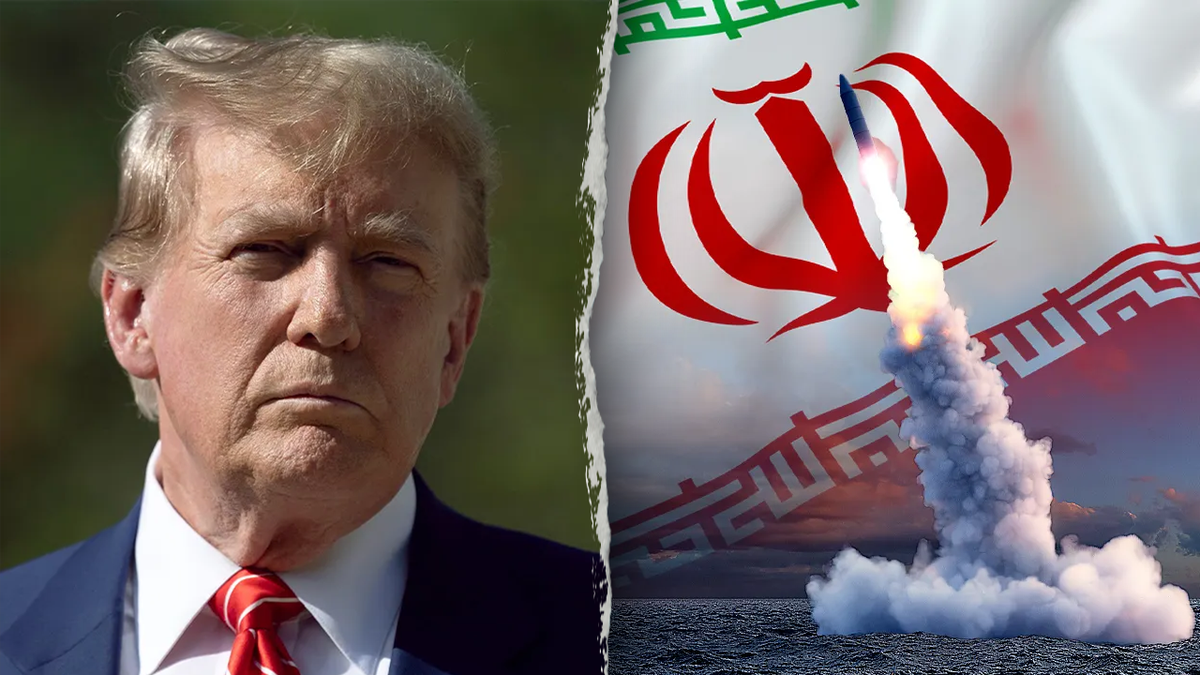
For developing nations already grappling with economic instability, this is nothing short of catastrophic.
Ironically, Trump now finds himself trapped in a classic catch-22. Escalate militarily, and risk dragging the world into a wider war with China and Russia lurking in the background. De-escalate, and appear weak—both internationally and domestically, especially with mid-term elections looming. His aggressive posture, once projected as strength, is now beginning to look like strategic overreach.
The domestic fallout in the United States cannot be ignored either. Growing unease within his own party, coupled with public fatigue over foreign entanglements, raises uncomfortable questions about the sustainability of his approach. Leadership in times of crisis demands clarity and coalition-building—not confrontation for its own sake.
So, what options remain?
First, Washington must urgently recalibrate its diplomatic approach. The era of coercive diplomacy is proving ineffective against a coalition that is willing to absorb pressure and respond asymmetrically. Second, rebuilding trust with traditional allies is no longer optional—it is imperative. Without a unified front, the U.S. risks ceding strategic ground to a China-led axis that is increasingly confident and coordinated.
And then comes the uncomfortable but necessary question: should the U.S. rethink its long-standing alliances, particularly those that have yielded diminishing strategic returns? In a rapidly shifting geopolitical landscape, sentiment cannot override pragmatism.
The failure of these talks is not the end—it is the beginning of a far more uncertain phase. The choices made now will determine whether this conflict remains contained or spirals into something far more devastating.
History has shown that wars often begin not with decisive actions, but with failed conversations.
And this was one such moment.
