Upadhyayula Lakshman Rao
The sage Kutsa, born in the noble lineage of Angirasa, offers a solemn invocation to the Visvedevas through the measured rhythms of the Jagati and Tristubh metres, as preserved in the sacred hymns of the Rigveda. His prayer is not merely an act of devotion, but a profound alignment of human consciousness with the cosmic order, in which the divine forces governing existence are invoked as both protectors and sustainers. With reverence, he calls upon Indra, Mitra, Varuna, Agni, and the vibrant hosts of the Maruts, acknowledging them as the primary causes of existence and the generous bestowers of life’s sustenance.
Through imagery that is both poetic and practical, Kutsa compares divine protection to a chariot that carries beings safely across difficult terrain. This reflects an early insight into the nature of existence, where natural forces are understood as both challenging and supportive. The gods are entreated to lift humanity from sin and suffering, restoring balance within the moral and cosmic order. The sons of Aditi, embodiments of boundless expanse and universal law, are invoked to stand beside humanity in times of conflict, granting not only victory but also composure, clarity, and resilience.
The sage then turns to the ancestral seers, whose accumulated wisdom continues to guide and protect, acting as an unseen force shaping present action. The sacrificial ritual is upheld as both a spiritual and systematic process that harmonizes the earthly and the celestial, strengthening the bond between the material world and the vast cosmos. In this sacred act, Agni emerges as the central mediator—beloved of humankind, nourisher of life, and the radiant channel through which offerings rise and blessings return. The deliberate kindling of fire reflects both ritual precision and an intuitive understanding of transformation, where matter is converted into energy and intention into manifestation.
With equal devotion, Kutsa invokes Pushan, the guide who ensures safe passage and sustenance, and Brihaspati, the embodiment of wisdom and healing expression. The reference to the removal of illness and the calming of disease reveals an early integration of spiritual practice with observation, where divine grace operates through natural processes of restoration and balance. Health, in this vision, is not merely physical but a harmonious state of body, mind, and cosmos.
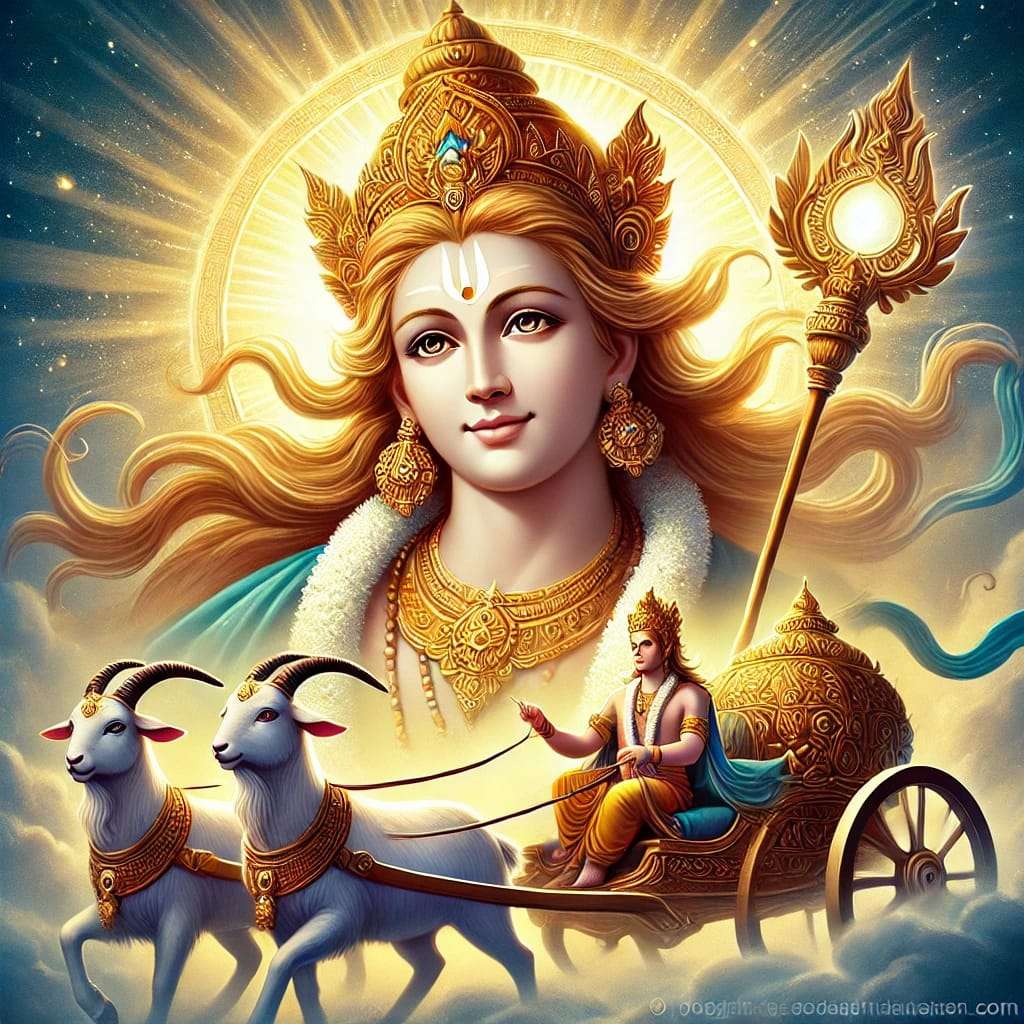
A deeply symbolic moment arises when Kutsa, cast into a well, calls upon Indra, the remover of obstacles and lord of dynamic power, to rescue him. This episode reflects the human condition itself—the descent into limitation and the aspiration for liberation. Alongside him, Aditi and her divine sons are implored to extend their protection, while the ever-watchful Sun is invoked as the all-seeing guardian whose light dispels ignorance and preserves order.
The hymn expands into a universal appeal, seeking protection not only from individual deities but also from the fundamental elements—rivers, earth, and the vast sky—revealing an ecological awareness deeply rooted in early thought. The blessings of the gods are invoked to descend upon the ritual, enriching it with prosperity, nourishment, and continuity. The legacy of the Angirasa sages is affirmed, their many-sided worship reflecting a unified vision in which diverse forces are brought into harmony.
In its closing movement, the prayer gathers strength as it seeks tangible sustenance—wealth from Indra, vitality from the Maruts, and sustaining abundance through Aryaman and Savitr. The hymn itself is entrusted to the protection of Indra and Agni, ensuring its continuity through time. Thus, Kutsa’s invocation stands as a radiant union of devotion and insight, where spiritual aspiration and early understanding of natural order come together, presenting a vision in which humanity, nature, and the divine are bound in an enduring rhythm of mutual support and reverence.