
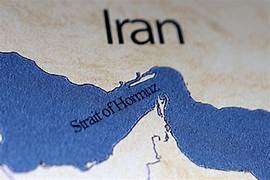
India’s decision to summon Iran’s ambassador Mohammad Fathali after Indian vessels were forced to reverse course in the Strait of Hormuz is not just justified—it is necessary. In a region simmering with volatility, silence is not diplomacy; it is abdication. New Delhi’s swift protest sends a clear message: neutrality does not mean vulnerability, and restraint does not imply weakness. The reported firing by Iran’s Islamic Revolutionary Guard Corps on vessels linked to India is deeply troubling. This is not merely a bilateral irritant; it strikes at the heart of global maritime security. The Strait of Hormuz is one of the world’s most critical arteries, carrying a significant share of global oil supplies. Any disruption—intentional or accidental—has cascading consequences for economies far beyond West Asia, including India’s own energy security. What makes the episode particularly perplexing is the apparent contradiction in Iran’s recent posture. Only days earlier, Tehran had indicated that commercial shipping could resume through the Strait. Some Indian vessels had reportedly been facilitated passage amid the ongoing tensions. So, what changed? If this was a case of miscommunication or overzealous enforcement by field units, it raises questions about command coherence within Iran’s security apparatus. If it was deliberate, it risks eroding the trust painstakingly built over decades between New Delhi and Tehran. India, under Narendra Modi, has maintained a carefully calibrated stance on the unfolding crisis in West Asia. It has neither been drawn into bloc politics nor resorted to rhetorical grandstanding. Instead, New Delhi has consistently called for de-escalation, dialogue, and respect for international norms. This balanced approach has allowed India to engage with all sides—whether traditional partners in the Gulf or long-standing friends like Iran—without compromising its strategic autonomy. Yet, neutrality is not passivity. When Indian-flagged vessels, including a supertanker reportedly carrying millions of barrels of Iraqi crude, are forced to retreat under the shadow of gunfire, a line has been crossed. The government’s decision to lodge a formal protest is therefore both measured and firm—exactly the kind of response the situation demands.
External Affairs Minister S. Jaishankar has been unequivocal: attacks on merchant shipping are “completely unacceptable.” This is not diplomatic boilerplate; it is a statement anchored in international maritime law and economic realism. Safe and unimpeded transit is the lifeblood of global trade. Undermining it invites instability that no nation—least of all one already under economic strain—can afford. India’s recent diplomatic outreach, including high-level visits by Jaishankar and Petroleum Minister Hardeep Singh Puri to key Gulf nations, underscores the stakes involved. Energy flows, expatriate welfare, and regional stability are all intertwined. Any escalation in the Strait reverberates through these interconnected interests. The larger lesson here is stark. Conflicts in West Asia rarely remain contained; they metastasize, drawing in actors and affecting regions far removed from the original flashpoint. For India, which imports a substantial portion of its energy needs and has deep diaspora linkages in the Gulf, the costs of instability are immediate and tangible. That is precisely why New Delhi’s response matters. It signals that while India will continue to advocate dialogue over confrontation, it will not hesitate to defend its legitimate interests. Diplomacy, after all, is most effective when backed by clarity and conviction. At a time when the world is already grappling with economic headwinds, supply chain disruptions, and geopolitical fragmentation, the last thing it needs is a chokepoint like the Strait of Hormuz turning into a theatre of brinkmanship. All parties involved would do well to step back and reassess. Provocations—intentional or otherwise—serve no one. India has done its part by raising its voice firmly yet responsibly. The onus is now on Tehran to ensure that such incidents are neither repeated nor dismissed. If the goal is stability, then actions must align with assurances. In the end, safeguarding maritime commons is a shared responsibility. And India, by acting promptly and decisively, has shown it is prepared to shoulder its part—without fear, without favour, and without compromise.