Upadhyayula Lakshman Rao
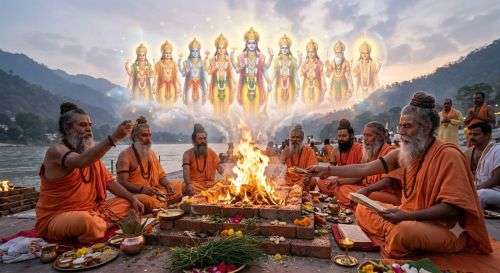
In the dawn-lit silence of Vedic antiquity, when sacred fires rose like luminous pillars between earth and heaven, the sages invoked Indra in the solemn cadence of the Gayatri Mantra. Their grammar was not merely linguistic precision; it was reverence embodied. Each syllable was weighed against Sruti—the eternal revelation—where sound itself was sacred substance. In that disciplined utterance, the ṛṣis sought not only divine favor but alignment with the vast architecture of the cosmos.
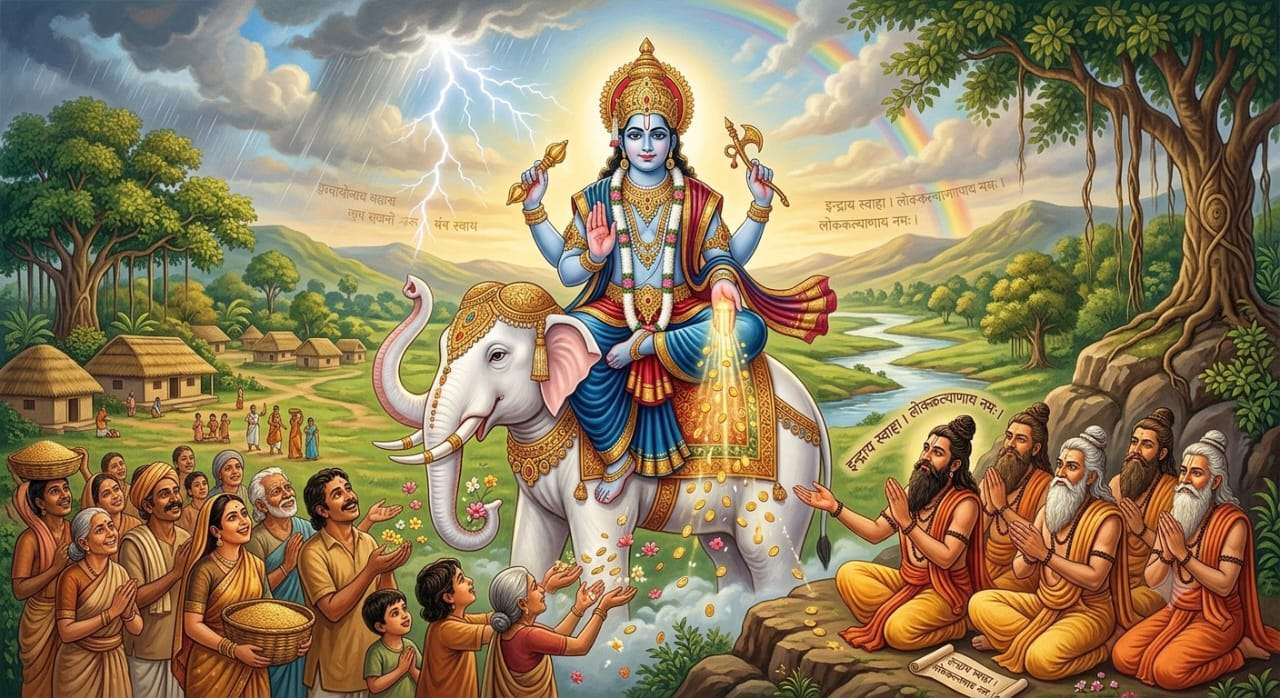
The Vedic chant was no ordinary recitation. It was an extension of inquiry—an exploration into the subtle threads binding man, nature, and the unseen powers. Through meticulously intoned hymns of the Rigveda, they reached toward the luminous realm where gods were not distant abstractions but conscious forces sustaining order (ṛta). Among them, Indra stood foremost: warrior, protector, rain-bringer, and lord of heroic strength.
The sages likened their invocation to the gentle gesture of a cowherd guiding a cow to yield her milk. As the cow responds to kindness and rightful call, so Indra responds to devotion offered through rightful procedure. The yajamāna—the patron of sacrifice—did not summon him carelessly. He invited him daily, in due form, with oblations prepared according to ancient law. “O Indra,” they proclaimed, “you who delight in the Soma, come to our yajña; accept this elixir pressed in purity.”
The Soma, sacred and ineffable, was no common libation. It was pressed thrice daily—morning, midday, and evening—forming the tripartite rhythm of Vedic ritualism. These three pressings corresponded to the sun’s journey and symbolized the integration of earthly action, atmospheric vitality, and celestial illumination. Thus, Soma became the wealth of the yajña itself: the offering that nourished gods and invigorated men. In drinking Soma, Indra was believed to gain the strength to shatter the serpent of obstruction and release the withheld waters.
This slaying of obstruction finds its archetype in Indra’s victory over Vritra. Vṛtra, the cosmic hoarder of waters, symbolized stagnation and drought—both physical and spiritual. When Indra, fortified by Soma, struck down Vṛtra with the thunderbolt, he restored flow and fertility to the world. Thus, the ritual reenacted cosmic renewal: as Indra conquered Vṛtra in myth, so he would conquer the enemies and adversities of his devotees.
The sacrifice, however, was not presumptuous. In humility, he turned to the hotṛ, the officiating priest, and asked: “Is there any deficiency in our rite? Has oversight stained our effort?” The priest, in turn, sought divine indication. The ritual was not mechanical repetition; it was conscious devotion. Precision mattered, for the Vedic mind held that a flaw in pronunciation or intention could disturb harmony. The yajña demanded both outer correctness and inner purity.
Hence the stern admonition: let none who harbour dissent toward Indra—even in thought—remain within the ritual enclosure. The sacred space (maṇḍapa) was to be free from discordant intention. For thought itself was power; it could either sanctify or contaminate. Devotion required an atmosphere unclouded by skepticism or hostility. The sacrificer understood that harmony among participants mirrored the cosmic harmony they sought to invoke.
Indra was praised not merely as a war hero but as a scholar and guardian of righteous order. He was described as free from cruelty, a protector of patrons, a friend to those who performed sacrifice with sincerity. Wealth—symbolized often by herds of cattle—was requested not as greed but as prosperity necessary for sustaining family, community, and further ritual life. In early Vedic vision, prayers were largely for universal well-being; only later did petitions grow more personal and explicit.
The imagery of the milch cow recurs with symbolic depth. Just as the shepherd’s call brings forth nourishing milk, so rightful invocation draws divine grace. Indra becomes the cosmic cow, the yajamāna the shepherd, and Soma the sustaining essence. Wealth, victory, and protection are the milk yielded through disciplined devotion.
Yet beneath the petition for victory over enemies lies a subtler aspiration. The true Vṛtras are not merely external foes but forces of inertia, ignorance, and fear. When the sacrificer implores, “Eliminate Vṛtras and save us in battle,” he speaks both of worldly conflict and inner struggle. Indra’s thunderbolt becomes the clarity of awakened intellect; his Soma-inspired vigour becomes the courage to uphold dharma.
In moments when the patron’s confidence in the chief priest wavered, appeal was made directly to Indra—to reveal any imperfection and grant opportunity for correction. This reveals a profound ethic of accountability within ritual culture. Authority was revered, yet divine oversight remained supreme. The rite must be conducted with scrupulous care, not for spectacle, but for truth.
Thus, the Vedic invocation of Indra unfolds as layered symbolism: cosmic drama, communal prayer, moral discipline, and spiritual striving woven together. The chant rises; Soma flows; the fire blazes; the thunder-wielding god is summoned. And in that convergence of sound, offering, and intention, the ancient seers sought nothing less than alignment between human endeavour and the universal order.
In their vision, sacrifice was not barter but communion; not routine, but renewal. Indra, invoked in luminous syllables, became the bridge between mortal effort and immortal