


West Bengal today stands at a dangerous crossroads—not merely politically, but demographically and institutionally. And at the heart of this churn is the increasingly desperate rhetoric of Mamata Banerjee, whose latest allegation of a “₹1,000 crore deal” to split minority votes is less a political charge and more a revealing confession of insecurity.
Let’s call it what it is: a diversion. When governance falters, when credibility erodes, and when the ground beneath begins to slip, the easiest refuge is conspiracy. The claim that Humayun Kabir has colluded with the Bharatiya Janata Party to “buy” minority votes is not just implausible—it is deeply patronizing. It reduces an entire community to a transactional entity, implying that their political agency can be auctioned to the highest bidder.
But the real story lies elsewhere—and it is far more uncomfortable for the ruling All India Trinamool Congress.
For over a decade, West Bengal’s porous borders with Bangladesh have been a matter of national concern. Allegations of unchecked infiltration are not new. What is new, however, is the growing perception—especially among local communities, including genuine Indian Muslims—that political patronage has enabled a parallel demographic shift. Welfare schemes meant for citizens are increasingly believed to be stretched thin, raising questions about who truly benefits.
This is not about demonizing any community. It is about governance, legality, and fairness.
When illegal entrants allegedly find their way into voter rolls, acquire identity documents, and compete for already scarce resources, the first casualties are not political parties—they are the poorest citizens. Among them are local Muslims whose livelihoods, particularly in informal sectors, face direct competition. The silent resentment brewing at the grassroots is not communal; it is economic and existential.
Ironically, the very vote bank politics designed to consolidate minority support may be eroding it from within.
There is also a deeper national security dimension that cannot be wished away. Border states are not personal estates of any leader or party. They are sensitive frontiers of the Republic. Treating them as political laboratories for demographic engineering is a gamble India cannot afford. Governance demands vigilance, not selective blindness.
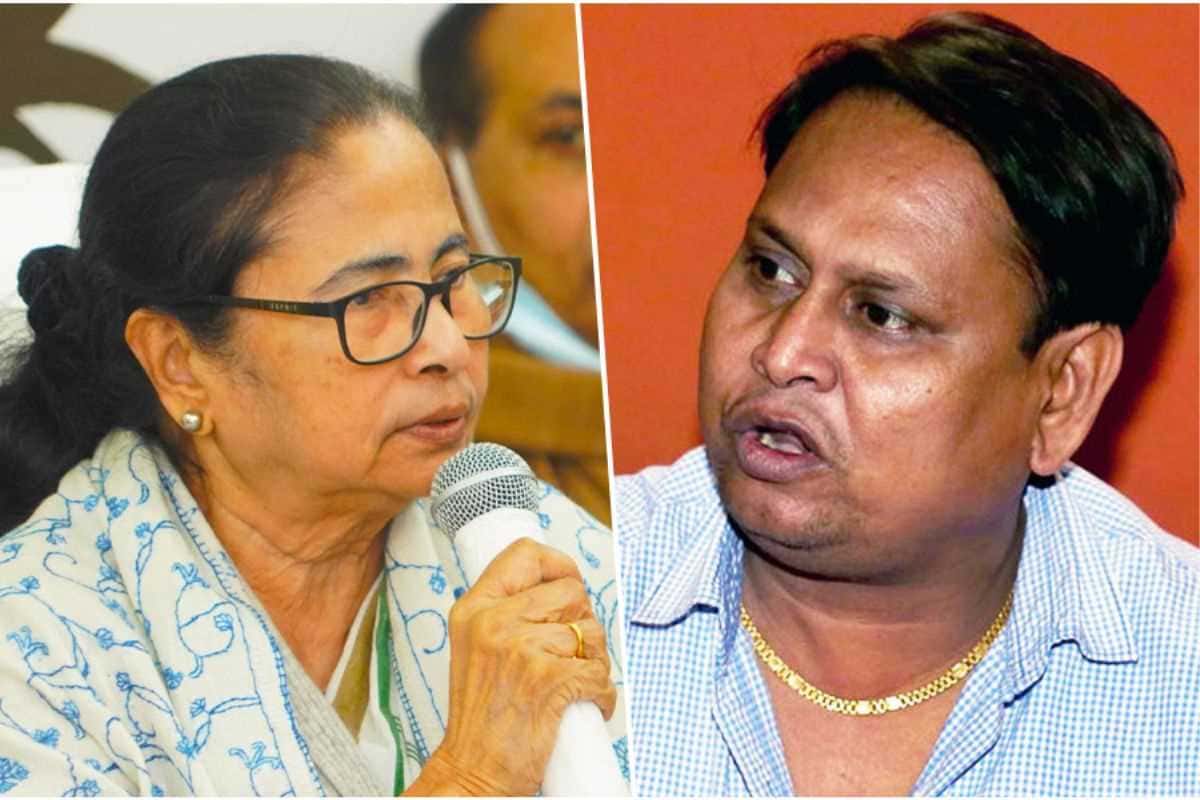
Mamata Banerjee’s narrative attempts to paint herself as the sole protector of minorities. But protection without empowerment is hollow. When communities begin to feel that their long-term interests are being sacrificed for short-term electoral arithmetic, political loyalty becomes fragile.
The timing of this “₹1,000 crore deal” allegation is telling. It comes not from a position of strength, but from a palpable fear of shifting loyalties. The electorate—minority or majority—is far more discerning than political strategists often assume. They respond not just to rhetoric, but to lived realities: jobs, security, dignity, and fairness.
There is also a global context that cannot be ignored. The geopolitical churn in West Asia, shifting economic flows, and the weakening of traditional funding channels for radical networks have altered the landscape. Indian Muslims, like any other community, are deeply rooted in the country’s socio-economic fabric. Their aspirations are tied to stability, growth, and integration—not perpetual political victimhood.
The choice before West Bengal’s electorate is therefore not between parties alone. It is between two models of politics: one that thrives on fear, fragmentation, and perpetual grievance; and another that emphasizes rule of law, institutional integrity, and equal opportunity.
By crying foul over an unsubstantiated “deal,” Mamata Banerjee may hope to rally her base. But in doing so, she risks exposing a deeper truth—that the old formula of vote bank politics is running out of steam.
West Bengal deserves better than manufactured conspiracies. It deserves honest governance, secure borders, and policies that uplift all citizens—without discrimination, without dilution, and without deceit.
The question is no longer whether the electorate sees through the noise.
The question is: how much longer can the noise drown out reality?


