


At a time when much of the world is reeling under an unprecedented energy shock triggered by tensions in West Asia and the disruption of critical supply routes like the Strait of Hormuz, India stands out—not as a victim, but as a calibrated, confident player safeguarding its interests while expanding its global footprint. This is no accident. It is the result of a deliberate and evolving foreign policy doctrine under Narendra Modi, executed with precision by seasoned diplomats like S. Jaishankar.
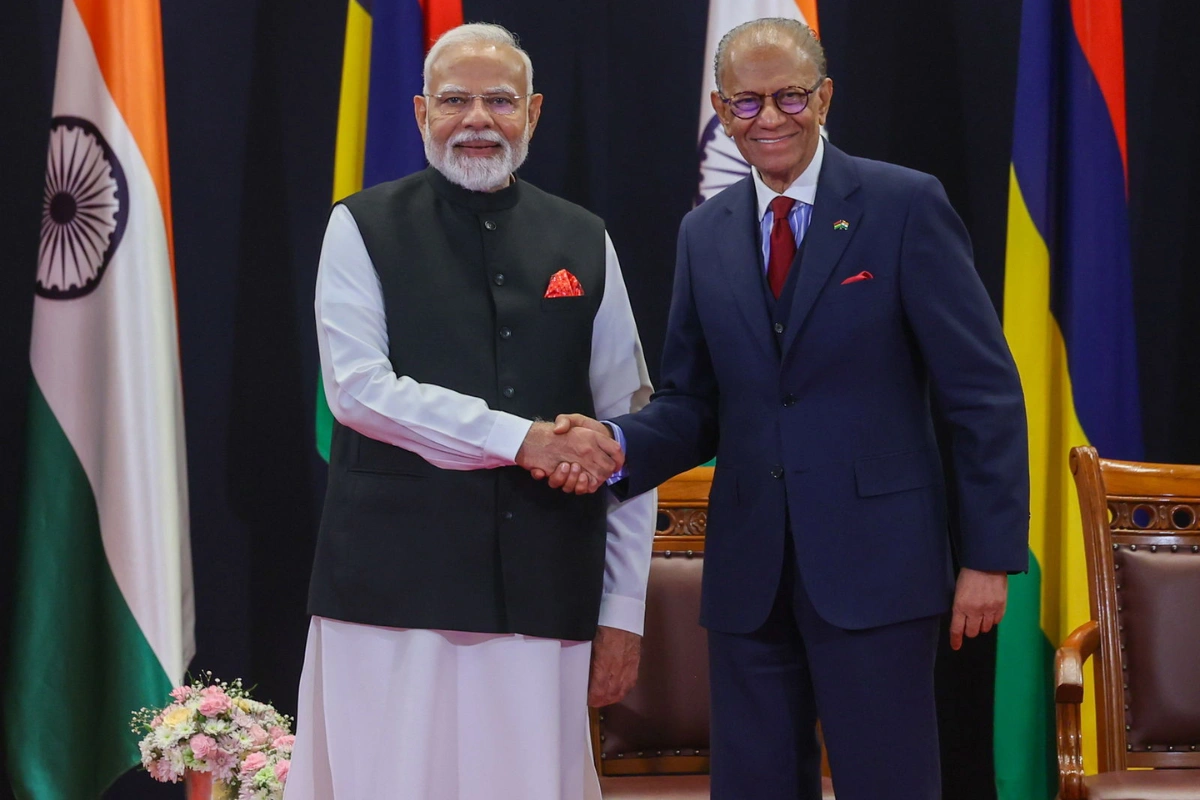
Despite global volatility and supply constraints, India has managed the politically sensitive issue of fuel prices with notable restraint, shielding domestic consumers from immediate shocks. But the story doesn’t end at home. India is simultaneously preparing to extend a helping hand to friendly nations such as Mauritius—signalling that New Delhi is not merely inward-looking, but increasingly assuming responsibility as a regional stabiliser.
The diplomatic flurry in the Gulf underscores this strategy. Petroleum Minister Hardeep Singh Puri is engaging with key energy players like Qatar and the UAE, while Jaishankar’s parallel outreach reinforces India’s intent to remain deeply embedded in critical geopolitical conversations. Even a brief ceasefire window between the United States and Iran is being tactically leveraged—not for grandstanding, but for quiet, effective diplomacy.
What does this indicate? A foreign policy that is pragmatic, interest-driven, and refreshingly devoid of ideological baggage. Since 2014, India has consciously moved away from the outdated binaries that once defined its global posture. Instead of choosing sides, it has chosen relevance. Instead of moral posturing, it has embraced strategic clarity.
Contrast this with the Congress-era foreign policy, which often appeared skewed, overly cautious, and at times disproportionately aligned with select blocs, particularly within the Islamic world—while maintaining a distance from countries like Israel. For decades, this approach reduced India to a passive observer in global affairs, seldom shaping outcomes. Today, that perception has dramatically shifted. India is no longer on the sidelines; it is increasingly seen as a voice of balance in a fractured world.
Equally significant is the Modi doctrine’s emphasis on restraint. India does not thrust itself as a mediator or unsolicited advisor in global conflicts. This conscious avoidance of overreach has, paradoxically, enhanced its credibility. When India speaks, it is taken seriously—not dismissed as opportunistic.
This is why the Opposition’s criticism rings hollow. At a time when India is carefully navigating complex geopolitical currents, sections of the Congress ecosystem have chosen to undermine national positioning by oddly praising Pakistan’s self-styled attempt to play ‘peace broker’ between Iran and the United States. This is not just poor judgment—it borders on strategic naivety.
Also read: https://orangenews9.com/jaishankar-vindicated/
As highlighted in the recent “Jaishankar Vindicated” editorial, Pakistan’s overreach has been met with quiet dismissal, if not outright embarrassment, by key global players. The message is clear: credibility cannot be manufactured overnight. It is built through consistency, restraint, and trust—qualities India has steadily cultivated.
Jaishankar’s firm assertion that India will never act as a “broker” in global geopolitics is not mere rhetoric; it reflects a deeper philosophical shift. India does not seek relevance through opportunism but through principled engagement. Whether it is condemning the Russia-Ukraine conflict or the ongoing tensions involving Iran and the US, India has maintained a balanced, independent stance.
At the same time, India’s unwavering position on global terrorism stands in stark contrast to the selective morality displayed by others. Long before leaders like Donald Trump foregrounded the issue, India had consistently highlighted the dangers of cross-border terrorism. Yet, the hypocrisy of global powers remains glaring. While Iran is routinely branded a terror state, Pakistan—arguably the epicentre of several terror networks—continues to receive diplomatic indulgence.
China’s repeated attempts to shield Pakistan-based terror entities at global forums only deepen this contradiction. Such double standards only reinforce the need for a strong, independent Indian voice—one that calls out inconsistencies without fear or favour.
In a world defined by shifting alliances and fragile ceasefires, India’s rise as a stabilising force is neither accidental nor overstated. It is the outcome of a foreign policy that blends realism with responsibility. The Modi doctrine is not about chest-thumping; it is about quiet, effective statecraft.
And in this unfolding global churn, India is no longer reacting. It is shaping outcomes.

