


For decades, Indian cinema—arguably the most powerful cultural instrument in the country—did not merely entertain; it was subtly, and at times overtly, curated to serve a narrative. Not a national narrative rooted in civilisational pride, but one shaped by ideological gatekeeping that often diminished India’s past, glorified invaders, and tiptoed around uncomfortable truths. Filmmakers were not always free storytellers; many were reluctant participants in an ecosystem that rewarded conformity and punished dissent. The resounding success of Dhurandhar 2, with a staggering ₹200 crore opening day, is not just a box-office milestone—it is a cultural correction. It signals the breaking of a long-standing stranglehold over storytelling, where nationalism was once dismissed as regressive, and historical authenticity was sacrificed at the altar of “acceptable narratives.” Let’s call it out plainly: before 2014, a dominant ideological framework—deeply influenced by left-leaning academic and cultural institutions—dictated what could and could not be told on screen. The result? A steady stream of films that either romanticised colonial subjugation or painted India’s pre-colonial and indigenous past as regressive, fractured, or irrelevant. The valour of native warriors was diluted, their resistance trivialised, and their stories buried under layers of selective storytelling. Filmmakers who dared to deviate from this template often faced professional isolation, funding challenges, or worse—intimidation. Scripts were softened, dialogues diluted, and narratives reworked to avoid offending entrenched ideological sensitivities. The consequence was a generation of cinema-goers conditioned to consume a skewed version of history—one where invaders appeared sophisticated and natives, submissive. This wasn’t accidental. It was systemic. The ripple effect was profound. Scriptwriters, lyricists, and even actors began internalising these limitations. Creative expression was no longer about truth—it was about survival within a controlled ecosystem. Real stories were reduced to “reel compromises.”
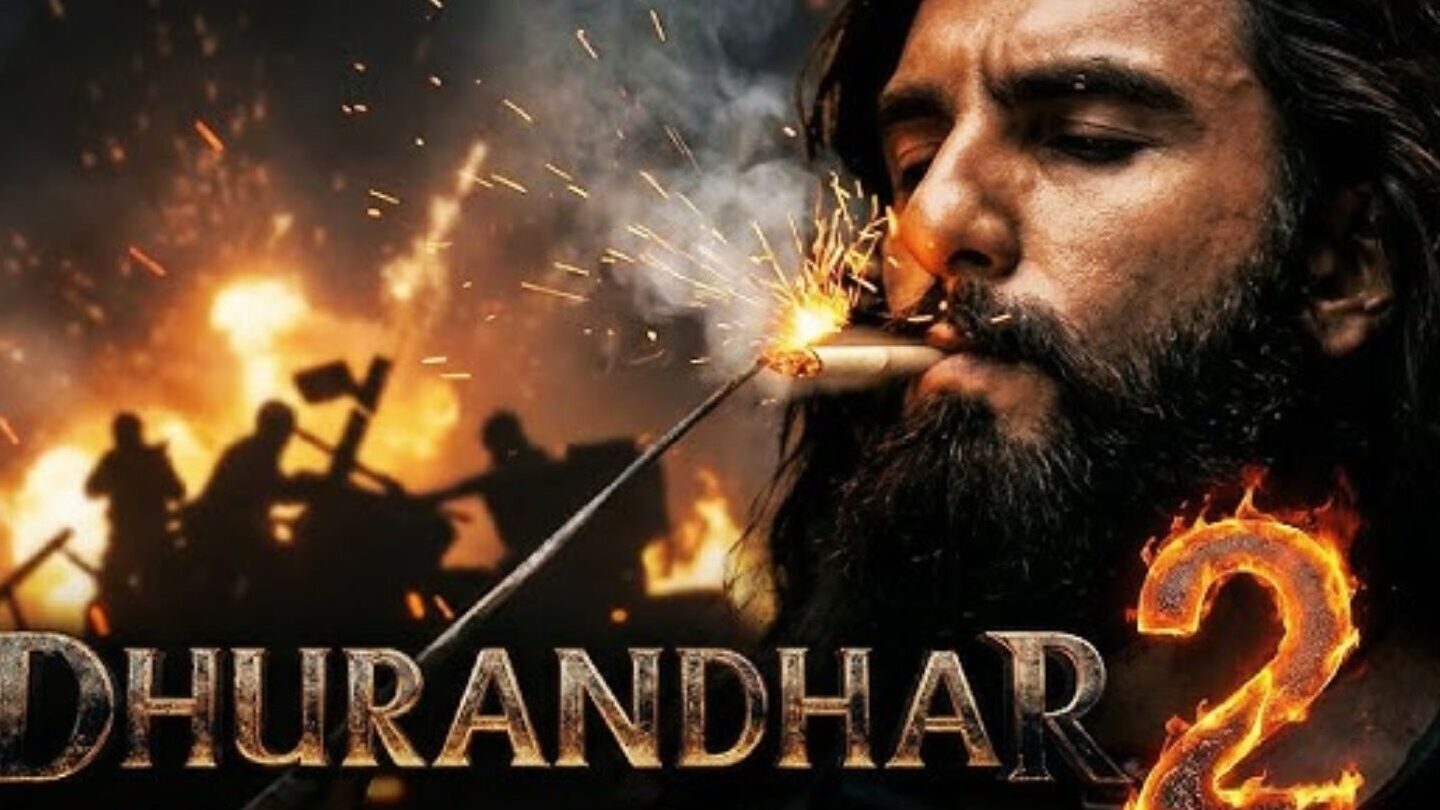
But history, as they say, has a way of correcting itself. Post-2014, there has been a perceptible shift—not just in governance, but in cultural confidence. The rise of films that unapologetically explore India’s civilisational depth, its spiritual traditions, and its unsung heroes is no coincidence. Movies like The Kashmir Files, The Kerala Story, and now Dhurandhar 2 have shattered the myth that audiences reject hard truths. On the contrary, they are embracing them wholeheartedly. What has changed? The audience. No longer passive consumers, viewers today are more aware, more assertive, and more willing to question the narratives they are fed. They are seeking authenticity, not appeasement. They want stories that reflect India’s resilience, not its subjugation. They want heroes who fought, not those who compromised. Critics may dismiss this as a wave of “hyper-nationalism.” But that argument rings hollow when juxtaposed with decades of one-sided storytelling that glorified everything but India itself. If reclaiming historical truth and celebrating indigenous pride is nationalism, then perhaps it is long overdue. The discomfort among sections of the film fraternity is telling. When a filmmaker admits that a film like Dhurandhar 2 “terrifies the industry, it is less about cinematic brilliance and more about the collapse of an old order. An order that thrived on controlled narratives is now being challenged by a new wave of fearless storytelling. India today is not the India of colonial hangovers or ideological subservience. It is a nation rediscovering its voice, its history, and its identity. Cinema, as always, is merely reflecting that transformation. And as this shift gathers momentum, one truth becomes increasingly clear: the era of imposed narratives is over. The storyteller is finally free. Because in the end, as the timeless saying goes, “Yatha Raja, tatha praja.” This is modern Bharat—no longer defined by colonial shadows, but by its own reclaimed light.
