


In a democracy that prides itself on periodic and peaceful elections, it is rather shocking that Booth Level Officers (BLOs)—the grassroots backbone of the electoral process—are now being portrayed as victims of unbearable institutional pressure. A recent report in a national media outlet, based on what it calls a “research study,” claims that some teachers entrusted with Election Commission (EC) duties were pushed to such limits of stress that one of them allegedly ended her life. The narrative is bizarre, unsettling, and demands urgent scrutiny.
At the heart of the issue lies a simple but uncomfortable question: Is election duty mandatory for government teachers? The conventional belief—and the practice followed across the country—is that government employees, particularly teachers from state-run and central-run schools, are routinely deputed for election-related responsibilities. This is not new. For decades, teachers have served as presiding officers, polling staff, and BLOs. But what is new is the emerging claim that these duties are so stressful and coercive that refusal is virtually impossible, and the consequences of refusal may be punitive.
If election-related assignments are indeed mandatory, then the government owes it to these employees—and to the integrity of the election process—to revisit the policy and examine whether the current structure is humane, reasonable, and adequately compensated.
Teachers rarely refuse election duty for one reason: they believe they cannot. The unspoken assumption is that turning down EC duty could invite disciplinary action. Whether this assumption is factually correct or merely a product of bureaucratic uncertainty is a matter that needs explicit clarification from the Election Commission and the Department of Personnel.
If a government employee has no legal right to decline such duties, then the system has a responsibility to ensure that these duties do not become life-altering burdens. Conversely, if employees do have a right to decline under specific grounds—such as illness, family emergencies, or mental health concerns—then that mechanism must be communicated transparently.
What we currently have is a grey zone, and grey zones are where fear festers.
It is naïve to pretend that workload alone causes stress. Stress becomes unbearable when work is demanding and poorly compensated. BLOs often say privately that the work is tedious, time-consuming, and extends beyond school hours—yet compensation remains minimal, symbolic, and certainly not proportional to the responsibility entrusted.
Let us be blunt: if the remuneration were reasonable, few would complain. Humans can deal with workload; they cannot deal with workload that feels exploitative. There is nothing dishonourable in expecting fair compensation for additional state-mandated responsibilities. Instead of dismissing these concerns as excuses, the system must recognise that money is a legitimate motivator—and a legitimate balm for stress.
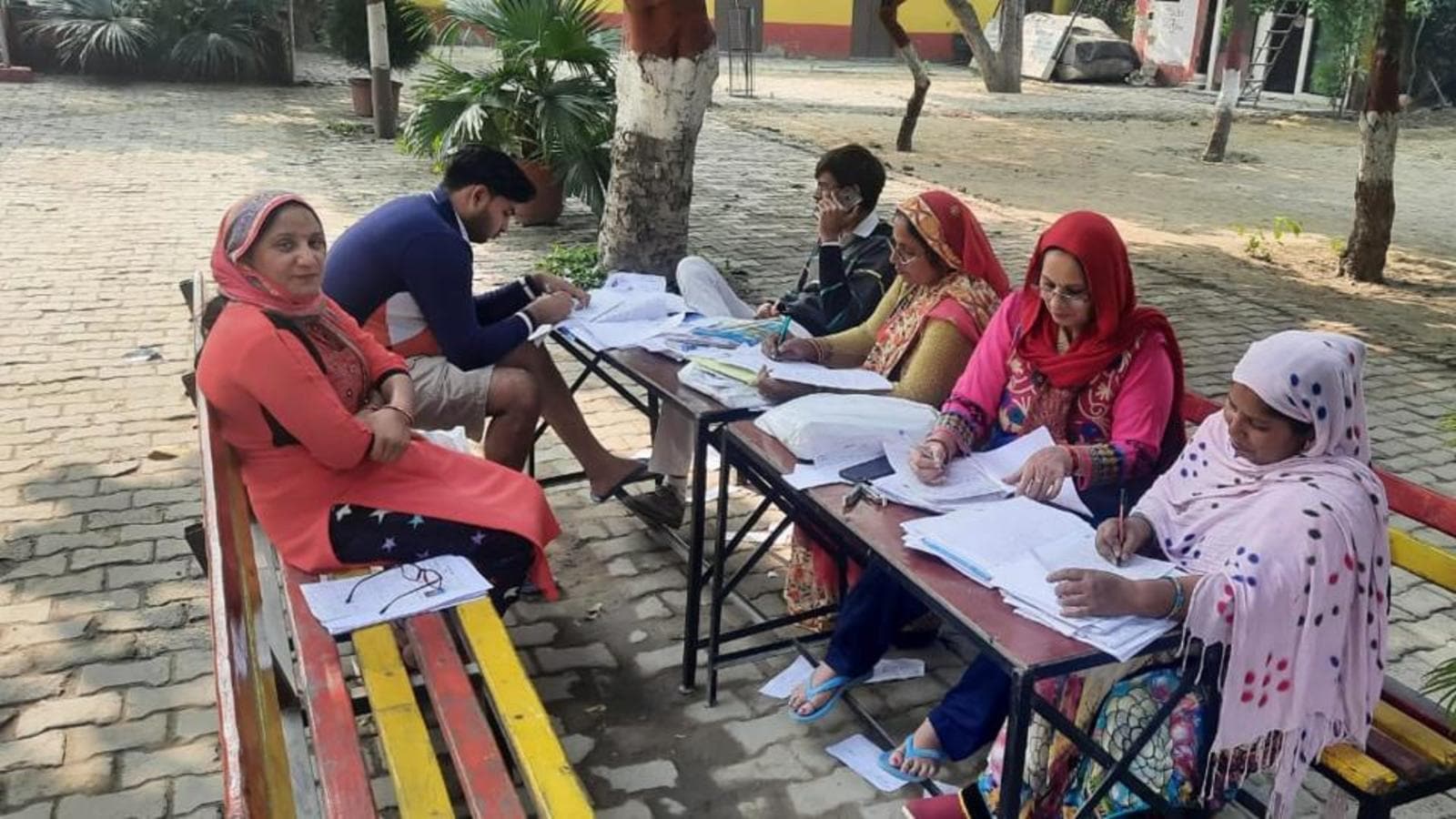
If the Election Commission expects rigorous door-to-door surveys, special intensive revisions (SIR), and frequent updation of electoral rolls, then it must also expect to budget for it. The country cannot run a 97-crore voter democracy on the backs of underpaid schoolteachers.
The recent developments in West Bengal, where family members of two deceased teachers have blamed their deaths on pressure from election-related work, have put the Election Commission in a poor light. It is not necessary to accept these allegations at face value; suicides are complex events with multiple contributing factors. But dismissing the claims outright would be irresponsible. The EC must investigate transparently—not merely to defend its image but to ensure that procedural excess, if any, is corrected.
Equally important is countering sensationalism. The media may be eager to project the EC as a coercive institution, but the Commission can only counter such narratives with data, transparency, and reforms—not with silence or bureaucratic defensiveness.
The solution is neither outrage nor denial. It is reform.
- If election duty is mandatory, then codify the rules and guarantee protections.
- If refusal is permissible under certain circumstances, communicate this clearly.
- If workloads are rising due to expanding voter rolls, increase compensation significantly.
- If teachers are essential to the process, respect their time and dignity.
A democracy is only as strong as the people who run its elections. If those at the grassroots feel overburdened or unheard, the system risks losing both efficiency and credibility.
Until these issues are addressed with seriousness, the troubling question will continue to echo: Why are BLOs under stress in the world’s largest democracy?

