


Is the Gulf War now stretching its shadow into the Indian Ocean? That question is no longer rhetorical. It is strategic — and it matters deeply to New Delhi.
The reported sinking of IRIS Dena by a US submarine nearly 370 nautical miles off the edge of Sri Lanka’s international waters has triggered more than television studio outrage. It has raised fundamental questions about communication, coordination, and respect among strategic partners.
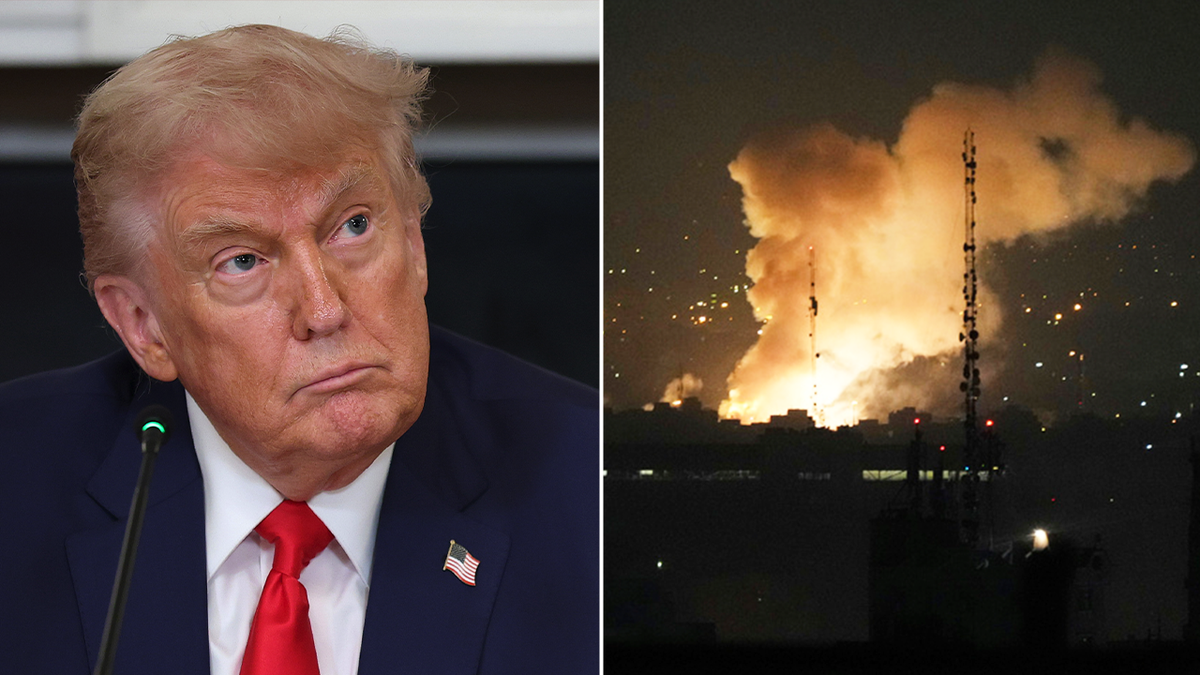
According to the Pentagon, a USS Charlotte — a Los Angeles-class attack submarine — fired an MK-48 torpedo that destroyed the Iranian vessel. The strike was showcased with video footage, projecting American naval dominance. Defense Secretary Pete Hegseth declared bluntly that “the Iranian navy rests at the bottom of the Persian Gulf.” Secretary of State Marco Rubio justified the campaign as necessary to eliminate threats to global shipping.
But geography complicates that narrative.
The Dena was reportedly far from the immediate Gulf conflict zone. The broader American campaign — coordinated with Israel — is clearly designed to cripple Tehran’s maritime capabilities. US Central Command claims around 20 Iranian vessels have been struck or sunk. Targets reportedly include fast attack craft and the so-called “drone carrier” Shahid Bagheri. Admiral Brad Cooper even asserted that there was “not a single Iranian ship underway” in the Arabian Gulf or Strait of Hormuz.
Yet oil markets tell another story. The Strait of Hormuz, through which roughly a fifth of global oil flows, has seen traffic plummet by over 95%, according to shipping data. Oil prices have jumped nearly 14% in days. Natural gas prices have surged to levels unseen since the early months of the Ukraine war. If the aim was to reassure global markets, the immediate impact has been the opposite.
For India, the stakes are even higher.
Nearly 60% of India’s crude imports transit through Hormuz. Millions of Indian expatriates live and work across the Gulf. Any sustained disruption is not an abstract geopolitical event — it is an economic and humanitarian concern. New Delhi’s anxiety is therefore pragmatic, not ideological.
The question Indian observers are asking is simple: Was India kept in the loop?
If the strike occurred in international waters, it may be legally defensible under wartime doctrine. But legality does not automatically translate into diplomatic sensitivity. Particularly when the targeted vessel had reportedly participated in naval engagement activities in the broader region, including exercises on India’s eastern seaboard.
Strategic partnerships are built not merely on shared interests but on mutual respect. India and the United States have deepened defense ties over the past two decades through logistics agreements, intelligence sharing, and Indo-Pacific cooperation frameworks. India participates in exercises like Malabar and has steadily expanded interoperability with US forces.
That is precisely why coordination matters.
Critics argue that if Washington had quietly briefed New Delhi in advance, much of the discomfort could have been avoided. The optics of a friendly power conducting a high-profile strike so close to India’s maritime sphere — even in international waters — inevitably create domestic debate.

At the same time, restraint is necessary in India’s reaction. Iran is not an innocent actor. A 2019 US Defense Intelligence Agency report estimated that Iran’s navy and the Islamic Revolutionary Guard Corps Navy collectively field over 200 weapons-capable vessels, including fast attack craft and submarines. Tehran has repeatedly harassed tanker traffic and launched drones and missiles that have struck civilian areas in Gulf states.
New Delhi understands that maritime security in the region cannot ignore Iranian adventurism. Nor can it ignore American overreach.
That balance is delicate.
There is also the political backdrop in Washington. President Donald Trump is facing declining approval ratings amid concerns over economic pressures and foreign policy unpredictability. Sections of the Republican Party itself are uneasy about deeper entanglement in another Middle Eastern conflict. War fatigue among American voters is real. A widening maritime campaign risks reinforcing perceptions of unilateralism at a time when global alliances are already strained.
For India, the broader principle is clear: major powers must avoid treating international waters as geopolitical chessboards without consultation — especially in regions where partners have legitimate security interests.
One uncomfortable hypothetical lingers. How would Washington respond if another superpower conducted a similar torpedo strike off the US Pacific coast under the justification of neutralizing a maritime threat? Strategic empathy demands that the Pentagon ponder that scenario before celebrating operational triumphs.
India’s approach should remain measured but firm. It must seek clarity through diplomatic channels, reinforce its maritime domain awareness, and quietly signal that consultation among partners is not optional. At the same time, it must avoid being drawn into binary alignments in a conflict that is neither of its making nor in its interest.
The Indian Ocean must not become an extension of Gulf brinkmanship.
In times of escalating rhetoric — from Islamabad’s predictable alarmism to Washington’s muscular declarations — New Delhi’s strength lies in composure. Operation Sindoor may underscore India’s resolve against regional misadventure, but strategic maturity demands that even friends are reminded of boundaries.
Partnership is not subordination. And stability in the Indian Ocean is not a favour to India — it is a global necessity.


Shanker’s laser sharp editorials, at his age, should inspire budding and up coming journalists to value speed in reaching readers. Within minutes of any developments, he responds through editorials and Point of View (POVs). His views are eye openers though discerning readers may see some incline here and there but by and large one can understand his writings only when they read twice if they have any doubt while reading. He is extremely unsparing as much as showing the same extreme in showering his praise.
He is pumping oxygen to his portal 24×7 and keeping it bubbling and alive with some of pieces being read critically to act accordingly.